A Strategic Investment Yields Significant Returns
Warren Buffett's investment in Japan, initiated in 2019, has seen its value climb from approximately $6.2 billion to an estimated $30 billion. This substantial increase, representing a return of nearly 400%, has significantly outperformed many other investment strategies. The focus of this investment has been on five major Japanese trading houses, known as sogo shosha.
Genesis of the Investment
In August 2020, Berkshire Hathaway, Buffett's investment company, revealed a stake in these Japanese firms totaling $6 billion. This move was not an overnight decision. Buffett spent about a year carefully building these positions, signaling a deliberate and long-term approach.
Timing: The investment occurred during a period of significant economic conditions in Japan.
The Bank of Japan maintained a low policy rate (-0.1%).
There was pessimism surrounding the commodity cycle, with iron ore prices averaging between $90-$95 per ton in 2019.
Japanese equities were considered undervalued, with price-to-book ratios between 0.6x and 0.7x.
Anticipation of reforms from the Tokyo Stock Exchange (TSE) created a governance catalyst.
The Mechanics of the Gain
The remarkable growth in value is attributed to several factors, described by some as a "four-layer arbitrage machine." This suggests a complex strategy beyond simple stock picking.
Equity Appreciation: The underlying value of the stocks themselves increased, reportedly by $26 billion, representing a 190% gain on the initial investment.
Carry Income: Berkshire Hathaway also benefited from earning income over approximately five years by funding yen liabilities. This income is estimated to be between $2.7 billion and $3.9 billion.
Foreign Exchange Benefits: Volatility in the yen from 2020 to 2024 provided additional gains through the management of yen-denominated liabilities.
The total gross return is estimated at around 231% from 2020 to 2026, far exceeding a simple equity investment.
Read More: FIFA World Cup 2026 Revenue Reaches $15 Billion With New Ticket Prices
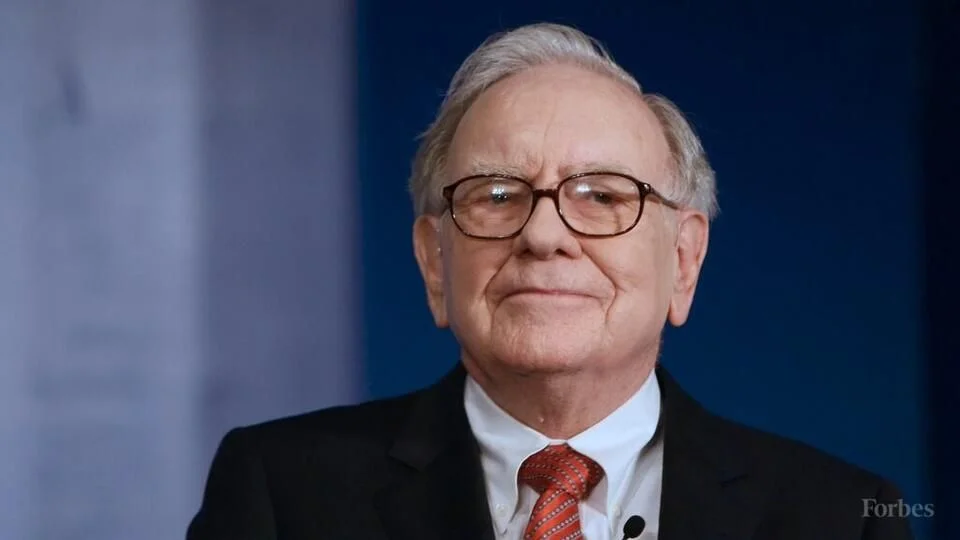
Buffett's Strategy and Market Perception
Buffett's approach is characterized by a long-term perspective and a focus on stability. His involvement in these Japanese companies has reportedly had a "Buffett Effect," influencing their operations and boosting stock prices.
Beyond Equity Investing: The strategy was not perceived by the market as traditional equity investing, but rather as a structured financial operation at a large scale, exploiting simultaneous market dislocations.
Eccentric Diversification: Markets initially treated this as an unusual diversification move, failing to grasp the underlying financial mechanics.
Encouraging Global Investors: Buffett's demonstrated enthusiasm for Japan has drawn attention from other international investors, contributing to a rise in Japanese stock indices, including the Nikkei 225, to 33-year highs.
Company Engagement: The robust relationship between Japanese trading house management and Warren Buffett, built on a mutual understanding of business models and management styles, suggests a deep engagement rather than a passive holding.
Geopolitical and Economic Context
The investment's success also coincided with shifts in global investment trends and Japanese economic policy.
Shift from China: Some international investors have been reducing exposure to China due to economic concerns, redirecting capital towards Japan for continued Asian market participation.
Japanese Economic Landscape: While Japan's shifting economic policies offer opportunities, they also present uncertainties. However, Berkshire Hathaway has increased its holdings over time, indicating confidence in the market's growth.
Berkshire's Holdings and Future Outlook
Berkshire Hathaway's Japanese holdings now represent a significant portion of its international assets.
Dominance Outside the U.S.: The total value of Berkshire's Japanese investments "considerably exceeds that of Berkshire-held public stocks in any other country outside of the United States."
Sustained Interest: There is no indication that Berkshire Hathaway intends to reduce its positions in Japan in the foreseeable future.
Conclusion and Implications
Warren Buffett's strategic investment in Japan's trading houses has proven to be a highly lucrative endeavor, yielding substantial returns through a multifaceted financial strategy. The "bet" has not only generated significant profits for Berkshire Hathaway but has also highlighted the potential for identifying undervalued assets and complex financial opportunities that may be overlooked by mainstream investors. This success underscores Buffett's reputation for disciplined, long-term investing and his ability to navigate intricate market dynamics.
Read More: Junji Ito Live-Action TV Shows Replace Anime on April 7 2026
Sources:
Fortune: Published 2 days ago. Focuses on the $24 billion profit over 6 years and the role of Japan's shifting economic policies.
https://fortune.com/2026/02/10/warren-buffett-japan-bet-makes-24-billion/
Capwolf: Published Sep 30, 2025. Highlights the long-term commitment and the "Buffett Effect" on company operations.
https://capwolf.com/warren-buffetts-japan-trade-a-winning-investment-bet/
JINLOW (Substack): Published 3 days ago. Details the "four-layer arbitrage machine," quantifying equity appreciation, carry income, and FX benefits, estimating a total return of ~231%.
https://jinlow.substack.com/p/the-27-billion-winning-trade-wall
CNBC: Published Jun 23, 2023. Mentions Buffett's interest in Japan as an alternative to China and market warnings about potential stock corrections. Notes the significant size of Japanese holdings compared to other international stocks.
Financial Times (FT): Published May 27, 2023. Introduces the investment as a bet on neglected enterprises and discusses potential currency impacts.
https://www.ft.com/content/f405fded-79fd-477f-9706-6d0c41b9548e