Government faces questions over tax threshold freeze and property levies.
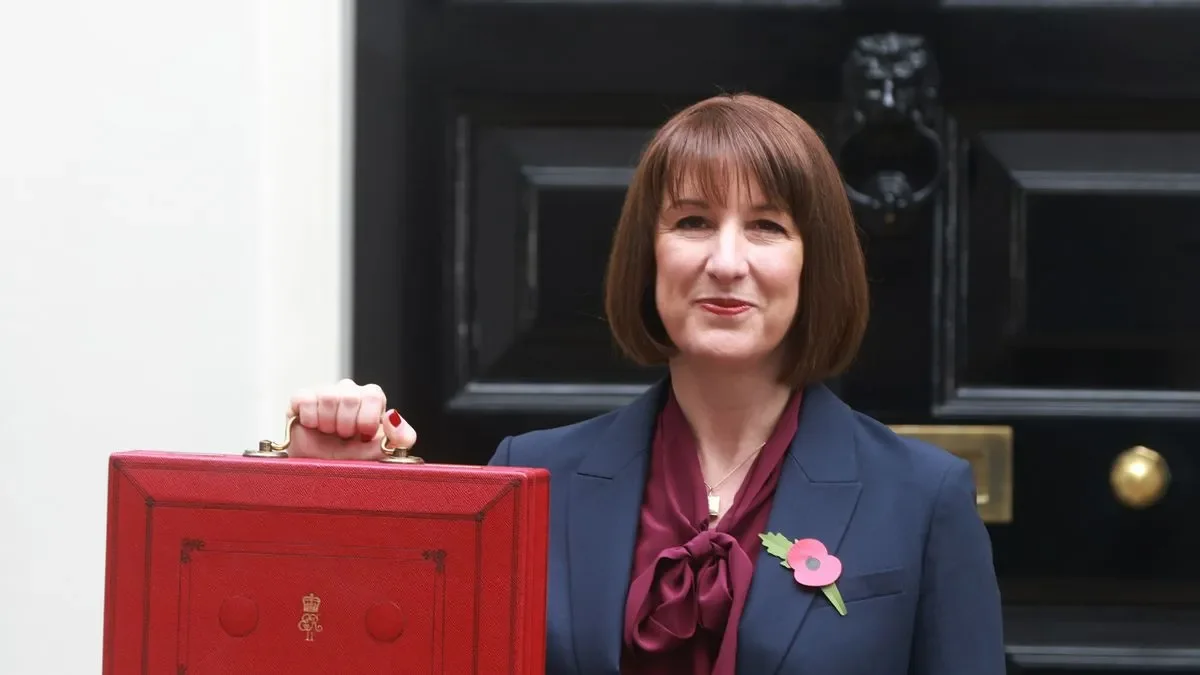
The Chancellor, Rachel Reeves, defended the Budget 2025, framing its tax increases as "fair and necessary choices." The centerpiece of the announcement involved a three-year extension of tax threshold freezes, a move that, while presented as a burden on those with "broadest shoulders" through higher property and savings taxes, including a new levy on homes exceeding £2m, will pull millions more into paying increased taxes.
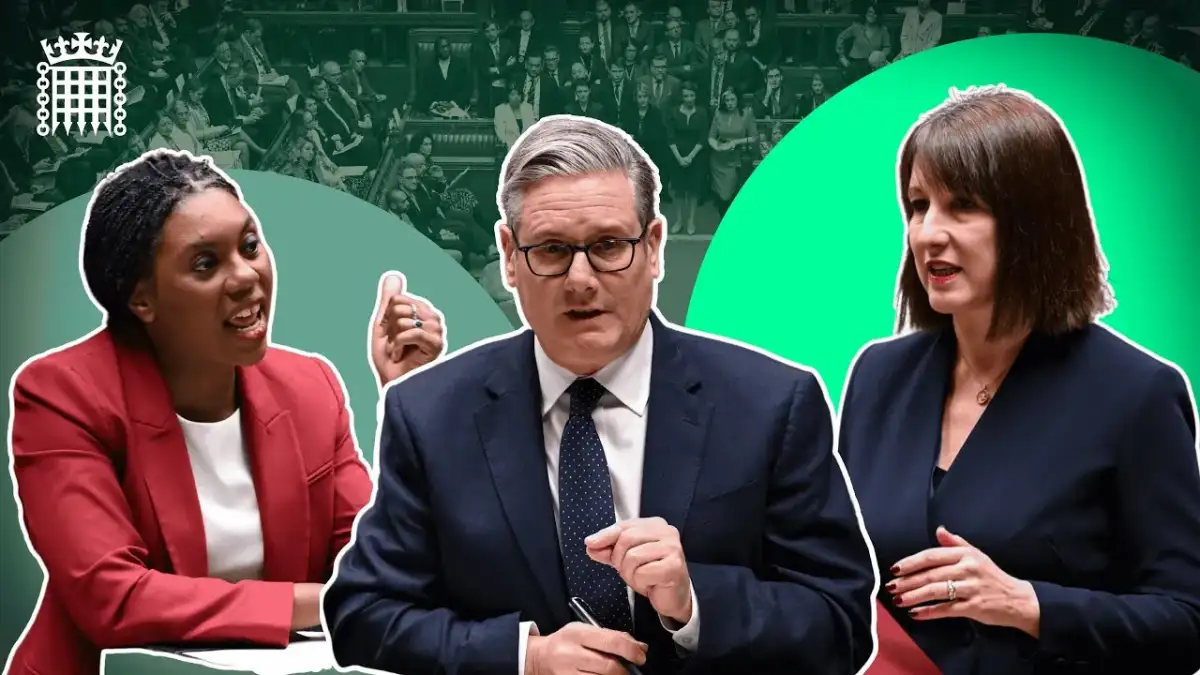
Prime Minister Keir Starmer acknowledged the public is asked to "make a contribution," echoing Reeves's justification. However, this has drawn sharp criticism from opposing parties. Shadow chancellor Mel Stride labelled the tax hikes a "clear breach" of Labour's manifesto promises. Liberal Democrats leader Ed Davey asserted that the government is taxing "ordinary people to record levels."
Meanwhile, the Green Party spokesperson lamented the Budget's lack of "transformational changes," and Reform UK leader Nigel Farage decried it as "an assault on aspiration." The government’s position on the manifesto pledge remains contested, with Reeves contending that the freeze on thresholds does not violate the promise, as the manifesto referred specifically to income tax and VAT rates. This distinction has been met with accusations of semantic games.
Read More: Solaris Energy SEI Stock Price Forecast Reaches $91.98 by July 2027

Further details of the fiscal adjustments include the creation of separate tax rates for property income, with consultations planned for implementation. The Budget, delivered on November 26, 2025, also saw announcements on exemptions from stamp duty reserve tax for new listings and potentially capped salary sacrifice schemes impacting pension attractiveness.

Budget 2025: A Chronology of Controversy
The delivery of Budget 2025 on November 26, 2025, followed an "unprecedented" leak of policy measures. The Chancellor's statement to Parliament detailed a raft of tax rises intended to address the cost-of-living crisis, impacting workers, savers, pensioners, investors, and consumers. The political fallout has been immediate and significant, with various parties questioning the direction and impact of the fiscal measures.
Read More: Pressure Washer Mistakes Cost UK Owners More Money
November 25, 2025: Initial reporting outlines key takeaways, including the tax threshold freeze and proposed property taxes. Political commentary from figures like Chris Mason highlights the "tax big and spend big" approach.
November 26, 2025: The Budget is delivered. Rachel Reeves defends her proposals, while opposition parties like the Conservatives and Liberal Democrats voice strong objections. Media outlets focus on the clash between manifesto pledges and actual policy.
November 27, 2025: Reeves reiterates her defence of the Budget, particularly regarding the manifesto pledge, while admitting the argument might be perceived as "semantics." The debate continues on the broader economic implications and fairness of the tax adjustments.
May 17, 2026: Reports emerge of a minister suggesting the government has "more explaining to do on budget," indicating lingering public or internal disquiet, though details remain sparse and disconnected from specific budget policies.
This extensive set of tax reforms has ignited a robust debate about the government's fiscal strategy and its adherence to electoral promises.