British air defence units stationed at a base in Erbil, northern Iraq, successfully intercepted and destroyed two Iranian drones on Wednesday night, according to Defence Secretary John Healey. However, other unmanned aerial vehicles evaded the defensive measures and struck the coalition facility, resulting in injuries to a number of US personnel.
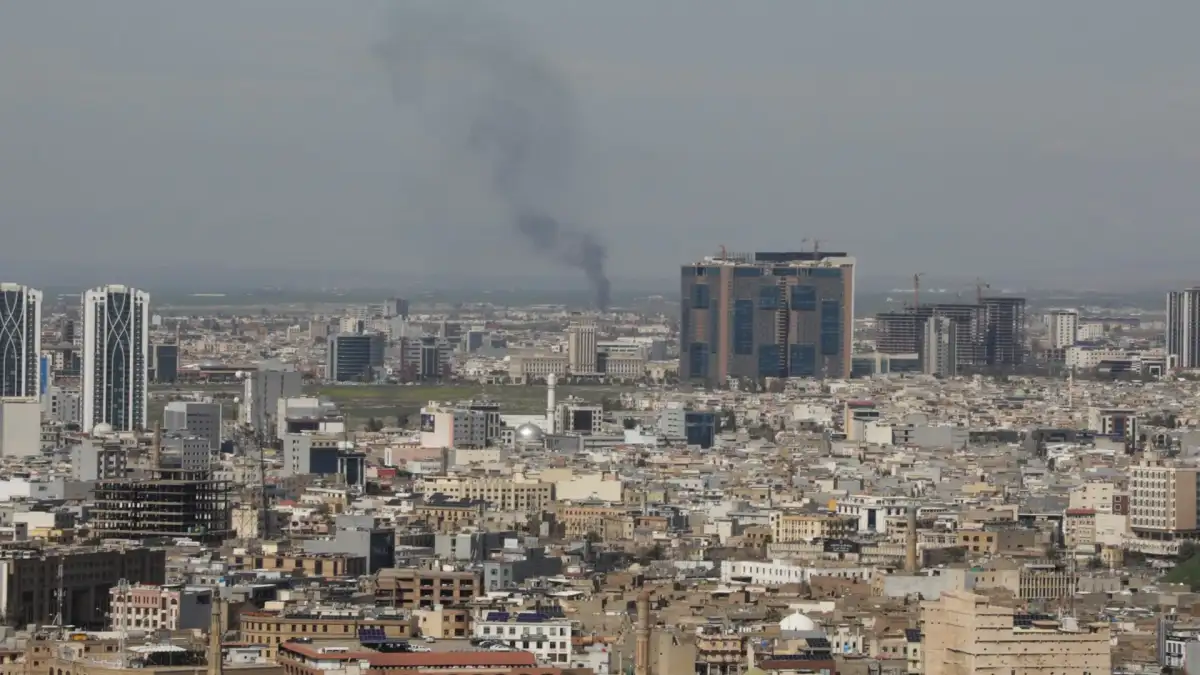
The incident, which occurred in the capital of the Kurdistan region, is part of a broader pattern of retaliatory attacks against US bases in Iraq, reportedly following US-Israeli strikes on Iran. While HMS Dragon, a British warship, had departed the UK for the region on Tuesday, it was still en route to the Mediterranean by midday on Thursday.

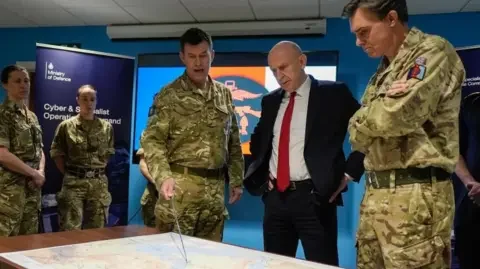
Healey, speaking during a visit to the UK's military headquarters in Northwood, north-west London, stated that Britain has "stepped up our defensive forces in the Middle East." He also noted that two missiles were fired towards Cyprus, though the UK does not believe Cyprus was the primary target. The Defence Secretary declined to comment on the legality of US and Israeli actions under international law, nor would he confirm whether the UK had initially refused US requests to use a joint UK-US base on Diego Garcia in the Indian Ocean for operations against Iran.
Read More: Air Force Major Detained for Calling for President's Impeachment

He warned of "rising risks of increasing Iranian indiscriminate retaliatory attacks." Lieutenant General Nick Perry, chief of joint operations, reportedly informed Healey that Russia may have provided Iran with tactical advice on drone deployment. This comes amid reports that Moscow has shared military intelligence with Tehran in recent weeks, a claim denied by the Russian President.
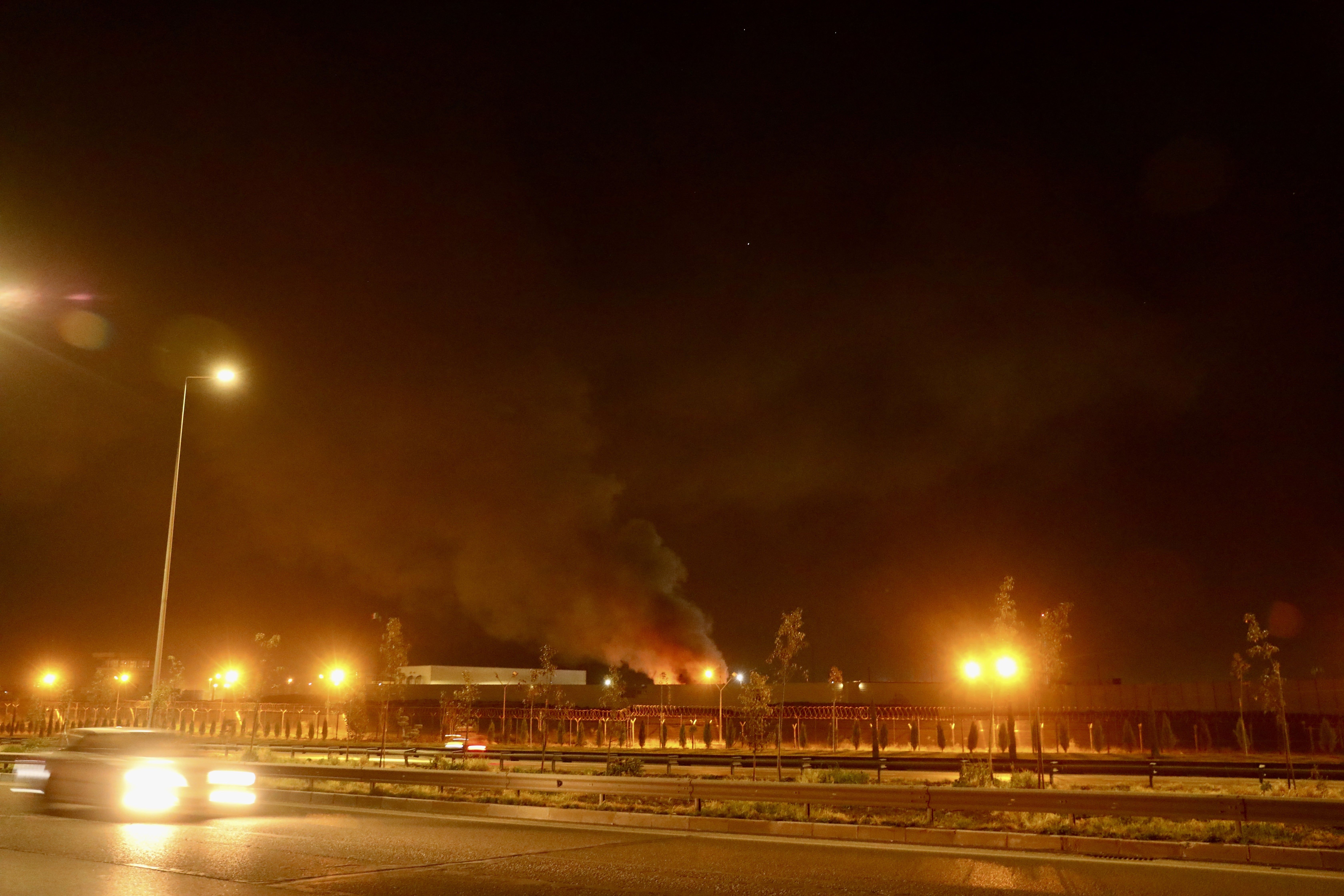
Meanwhile, two oil tankers anchored off the Iraqi coast were set ablaze in a separate incident on Wednesday night. A UK counter-drone team successfully shot down two other drones operating in that vicinity. The past week has also seen numerous US B-1 Lancer bombers depart from RAF Fairford in Gloucestershire, England, to conduct strikes against Iran.
Background
The events unfold against a backdrop of heightened regional tensions. Reports suggest that US bases in Iraq have been subjected to retaliatory strikes following actions taken by the US and Israel against Iran. The UK's posture has been characterized by some as hesitant, with the government reportedly refusing to explicitly align with US operations and maintaining a degree of distance regarding the legality of the initial strikes. This strategic ambiguity appears to be a recurring theme, with parallels drawn to past situations. The deployment of HMS Dragon to Cyprus, intended to protect UK airbases, highlights the ongoing efforts to bolster defensive capabilities in the region, though the warship's transit time indicates limited immediate naval presence in the immediate vicinity of Iraq.