


POLICY WHIPLASH AND STRATEGIC AMBIGUITY MARK LONDON'S RESPONSE
Britain's position on the escalating conflict in Iran has become notably convoluted, marked by a series of rapid policy adjustments and a delicate balancing act between international commitments and national interests. Prime Minister Keir Starmer's government has navigated through at least three distinct phases of its stance within a single week, a situation described as creating "policy confusion" among ministers. This is occurring against a backdrop of increasing global entanglement, with reports of Russia providing intelligence to Tehran that could aid in targeting US forces, and US strikes extending beyond immediate geographical boundaries, including an American submarine sinking an Iranian warship off Sri Lanka.

The core of the British approach appears to be an effort to avoid deeper entanglement in a campaign with "unclear aims and no post-conflict plan for Iran's future." Starmer's stated objective remains focused on achieving a negotiated settlement to end the war promptly, contingent on Iran abandoning its nuclear ambitions. Despite official assertions of no policy "U-turns," the government faces criticism for appearing to lack clear war aims itself, even while reportedly questioning the White House on the same issue.
Read More: Sowmiya Anbumani May Run for PMK in Tamil Nadu Election 2026
INTERNATIONAL REPERCUSSIONS AND DOMESTIC DIVISIONS
Donald Trump's reported annoyance with Starmer for refusing full UK involvement in the war poses a potential strain on the 'special relationship.' While Starmer has indicated American planes may use UK bases for strikes against Iranian missile systems targeting British allies in the Middle East, this move is framed as an instance of the "special relationship in action" rather than full participation. This decision, however, comes as the public broadly supports Starmer's position, according to polling, though certain political factions, like those aligned with Nigel Farage, exhibit a more divided view, with some expressing strong support for regime change in Iran. Farage himself, despite a reported endorsement of regime change, claims to disregard public opinion, a stance that may alienate undecided voters.
THE BROADER THREAT LANDSCAPE
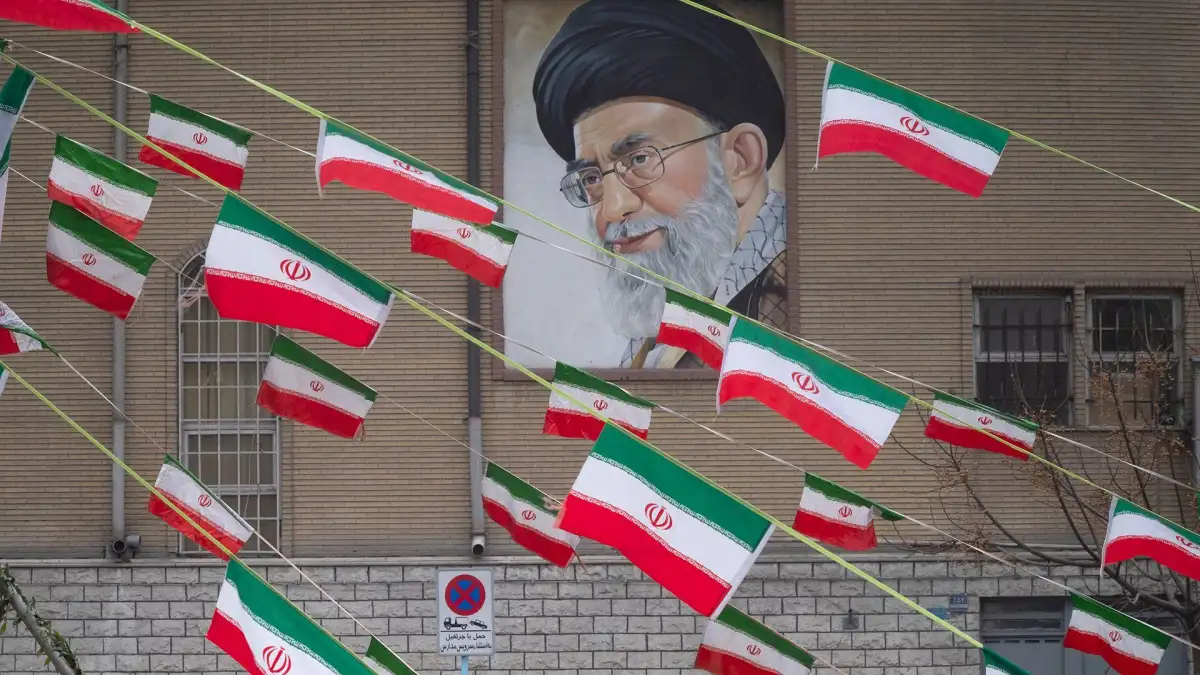
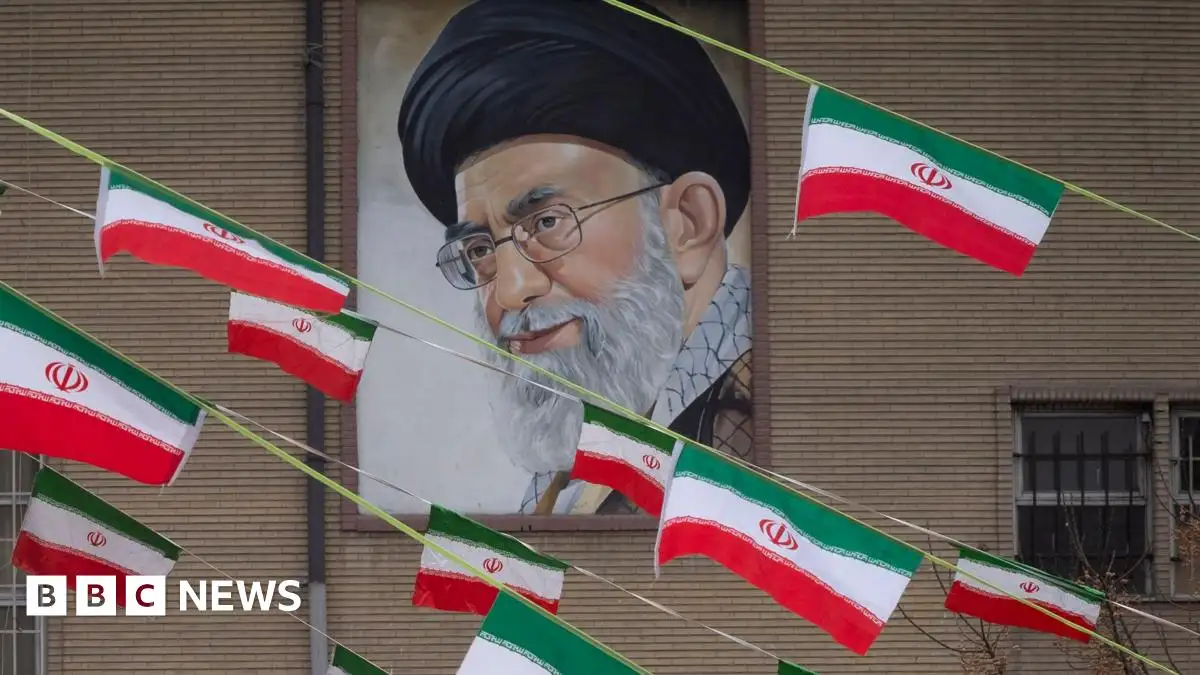
Beyond the immediate conflict, reports indicate a "rising" and "unpredictable" threat emanating from Iran towards the UK. Parliament's intelligence and security committee has warned that Iran poses a wide-ranging threat to UK national security, which should not be underestimated. This threat is described as persistent and unpredictable, with physical threats against individuals in the UK increasing since 2022. Dissidents and "Jewish and Israeli interests" have been specifically targeted. Physical threats to British citizens in Iran primarily involve detention, while UK armed forces face the risk of collateral damage in the wider Middle East. The report also highlighted the potential for a "possible evacuation of British citizens in Iran" and questioned the efficacy of financial sanctions, suggesting they might push Iran towards China.
Read More: Tehran Warns Diaspora: Assets May Be Taken If Supporting US Strikes

BACKGROUND: A SHIFTING ALLIANCE AND GLOBAL FLASHPOINTS
The situation underscores a complex geopolitical moment. The US has reportedly struck over 3,000 targets since the fighting began on February 28th. This escalation follows Israel's strikes against Iran aimed at degrading its nuclear program. The UK's involvement, or lack thereof, is being carefully managed by Starmer's government, which has sought to foster a strong relationship with the US president since taking office. Starmer previously acted as a "bridge" between the US and Europe on the Ukraine war, a role that apparently yielded some diplomatic credit before the Iran bombing campaign. The ongoing turmoil raises questions about the limits of British influence and its ability to navigate the volatile currents of international power plays, particularly concerning a nation described as a persistent and unpredictable threat to national security.