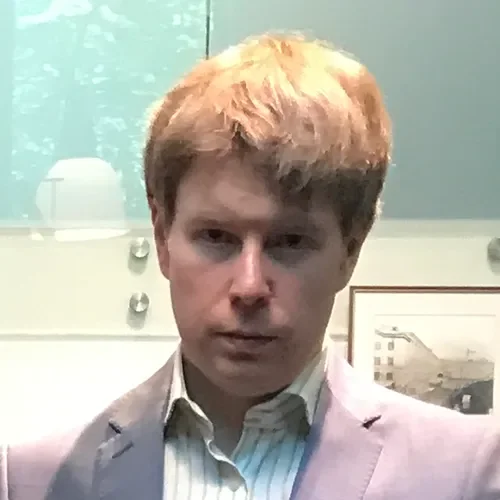
Shifting Focus from Engagement to Well-being
Bradley Horowitz, a figure long associated with shaping digital interaction through his fifteen-year tenure as Google's VP of product, has publicly shifted his professional compass. After years spent architecting products designed to capture and hold user attention, Horowitz is now championing a movement to extract people from their screens. His venture firm, Wisdom Ventures, has recently closed an $80 million fund. This new financial commitment signals a decisive pivot, aiming to invest in technologies that cultivate genuine human connection and enhance overall well-being, a stark contrast to the hyper-engagement metrics that once defined his career.
Horowitz's introspection appears to have been catalyzed by his experiences, particularly while working on 'Google Photos' a decade ago. He noted the rapid advancements in machine learning then, particularly its ability to accurately identify objects in photographs. This period marked a realization of technology's escalating capabilities and, implicitly, its potential impact on human behavior and attention spans.
Read More: GPU thermal paste change April 2026 voids warranty
Strategic Investments and a Novel Evaluation Method
Wisdom Ventures’ portfolio already reflects this evolving philosophy, notably including early-stage investments in both 'OpenAI' and 'Anthropic'. These AI powerhouses, both reportedly eyeing significant 'IPOs', represent a complex facet of Horowitz's trajectory, investing in companies at the forefront of the very technology that can either augment or alienate human experience. His other notable seed investments include 'Slack', 'Miro', 'Ramp', and 'ScaleAI', a list that solidifies his reputation as a consistently successful venture capitalist.

Adding a unique layer to his investment strategy, Horowitz employs what he terms the 'flat tire test'. This method aims to assess founders' resilience and adaptability under duress, prioritizing their decision-making capabilities when faced with unforeseen challenges. The focus here is on the human element behind the technology, suggesting a recognition that even the most advanced innovations are driven by individuals who must navigate complex realities.
Read More: Dell and NVIDIA Servers Offer 4x Faster AI Training
A Broader Industry Critique
Horowitz's current stance resonates with a growing, albeit often fragmented, discourse surrounding the societal impact of ubiquitous digital technologies. Recent events, such as the departures of researchers from leading AI firms like 'OpenAI' and 'Anthropic', underscore anxieties about the ethical implications and potential for 'manipulation' inherent in advanced AI development. =These departures, often accompanied by public warnings, highlight a tension between rapid technological advancement and the safeguarding of user autonomy and understanding.=
This internal industry critique also finds echoes in broader debates about work culture and productivity. =Discussions, even those from former executives like Eric Schmidt, have touched upon the perceived detriments of remote work policies on competitive edge, implicitly linking concentrated work environments to innovation and output.= While Horowitz's current focus is on reducing screen time, the underlying currents of the tech industry – competition, innovation, and the very definition of progress – remain a constant backdrop. His journey from product builder to advocate for digital detachment offers a complex narrative of self-awareness within a rapidly evolving technological landscape.
Read More: Microsoft Teams Ends Together Mode on May 18, 2026