Singer Pushes Back Against Calls for Israel's Exclusion from Song Contest
In recent days, musician Boy George has publicly responded to criticism from anti-Israel campaigners concerning his participation in the upcoming Eurovision Song Contest. The singer, known for his work with Culture Club, has clarified his stance after Eurovision organizers opted not to ban Israel from competing.

Boy George stated his affiliation is not necessarily with the nation of Israel but with Jewish people, posing a question about whether he is being asked to abandon his Jewish friends. This assertion comes as the song competition faces increased scrutiny over its inclusion of Israel, a situation that has been a recurring theme in recent years.

Wider Celebrity Stance and Eurovision's Origins
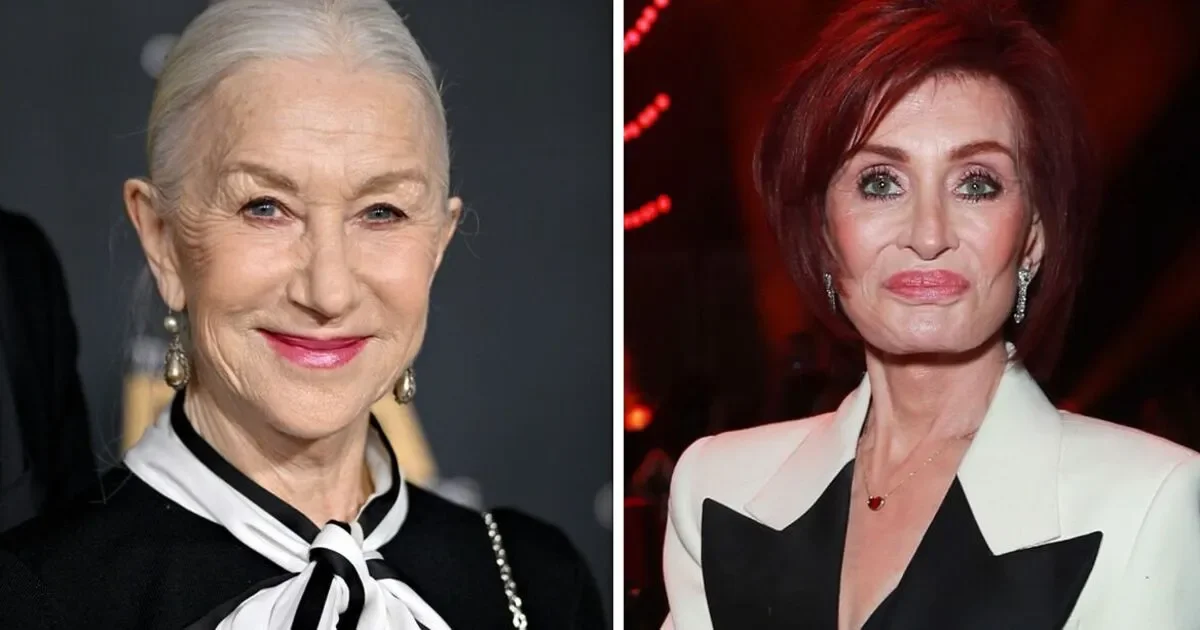
The controversy surrounding Israel's participation is not isolated. Earlier this year, a significant number of celebrities, including Sharon Osbourne and Helen Mirren, signed an open letter rejecting efforts to remove Israel from the Eurovision Song Contest. This collective action was in response to campaigns initiated by artists in countries like Sweden, Finland, and Iceland, who sought to bar Israel from the competition. These performers cited Israel's ongoing military operations following the October 7th attacks, which resulted in approximately 1,200 Israeli deaths.
Read More: Strokes Coachella Show: Video Links US Actions to Gaza, Iran Bombings
The signatories of the open letter emphasized Eurovision's foundation as a "peace project" aimed at uniting nations and citizens through music. This year's contest is scheduled to take place in Malmö, Sweden.

Artist's Past Affinity for Israel
This is not the first instance of Boy George expressing a connection to Israel. He has performed in the country multiple times, both as a solo artist and with Culture Club. In the past, he has described Israel as being "in his heart" following a concert in Tel Aviv. His participation this year involves representing San Marino alongside Italian singer Senhit, who has also openly voiced pro-Israel sentiments in interviews with Israeli media, even during periods of heightened tension.
The current Eurovision season has seen the contest increasingly navigate geopolitical complexities, testing its long-held ideals of unity and cultural exchange. The presence of artists with differing political perspectives inevitably amplifies these tensions.
Read More: Nicole Kidman almost quit acting after 2008 baby, says mom