COUNCIL EYES AD BAN AMID HIGH OBESITY RATES
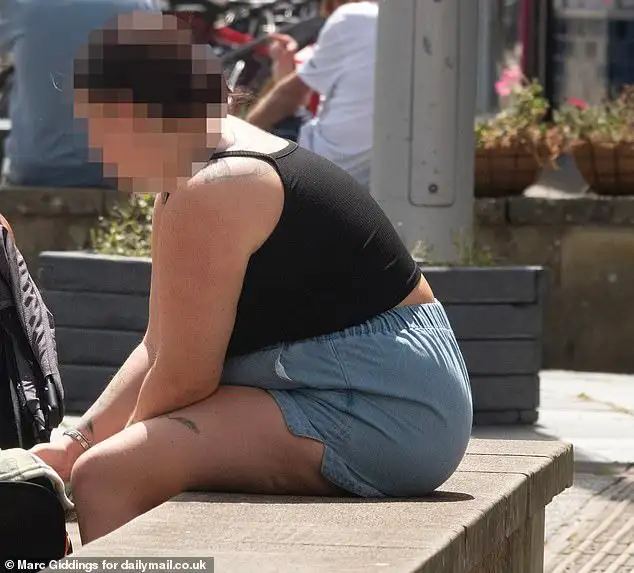
Blaenau Gwent, a county borough in Wales, is facing a stark reality: it is the nation's most obese area. In response, local authorities are initiating a 'war on junk food,' with a proposed ban on advertising for unhealthy products being a central tenet. This move by Blaenau Gwent council aims to curb soaring obesity rates, where 78 per cent of residents are overweight and 37 per cent are clinically obese. The region, historically a former steel town, has a high concentration of takeaways, with 73 per cent of all restaurants reportedly being fast-food establishments.
The proposed ban on junk food advertising is a significant step by Blaenau Gwent council to address what it terms a "critical issue" of bulging waistlines and related health problems.

This initiative comes as studies reveal alarming health statistics for the area. Women in Blaenau Gwent exhibit the lowest life expectancy in the UK, while men have the lowest in Wales. Additionally, towns within the county, such as Rhymney, report the highest rates of people claiming sickness benefits for anxiety in the UK. Ebbw Vale, the largest town, sees one in 20 residents claiming unemployment benefits, and one in 30 claiming for anxiety.
Read More: India IVF Costs And Social Barriers Limit Access In April 2026
POLITICAL RESPONSES AND EXISTING MEASURES
Political parties have weighed in on the multifaceted issue of obesity in Wales. The Wales Green Party advocates treating obesity as a public health challenge, not a personal failing. In contrast, Reform UK emphasizes supporting informed healthy choices without what they term "babying people." Plaid Cymru highlights the "stubbornly high" rates of obesity and diet-related illness, calling for "strategic oversight of public health."
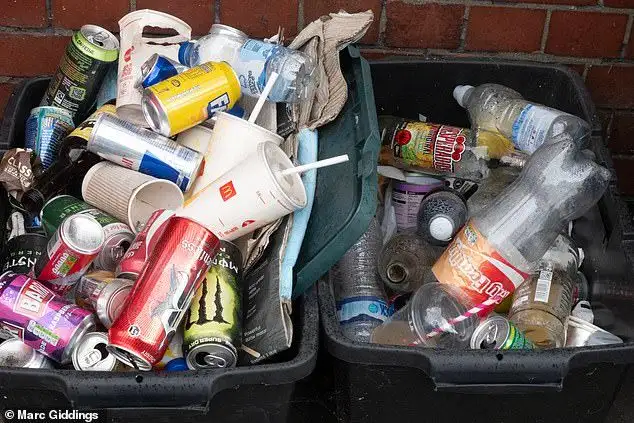
Meanwhile, regulations restricting the promotion and placement of foods high in fat, salt, and sugar have been laid before the Senedd. These measures, mirroring those in England, target medium and large businesses (50+ employees). They aim to restrict promotions encouraging over-consumption, such as multi-buy offers and free refills of sugary drinks, and limit the placement of unhealthy foods in prime retail locations and on website homepages. This is intended to prevent impulse purchases and reduce over-consumption, acknowledging that diet is becoming the leading cause of preventable poor health in Wales, straining the NHS.
LOCAL BUSINESSES AND COMMUNITY EFFORTS
Beyond official mandates, many local businesses are actively participating in the 'war on junk food'. Greengrocers like Stuart Lewis in Blaenau Gwent are offering fresh fruit and vegetable options, and independent shops are promoting vegan and sourdough products as alternatives to fast food. However, Lewis observes the persistent challenge of children opting for fast food on their way to school.
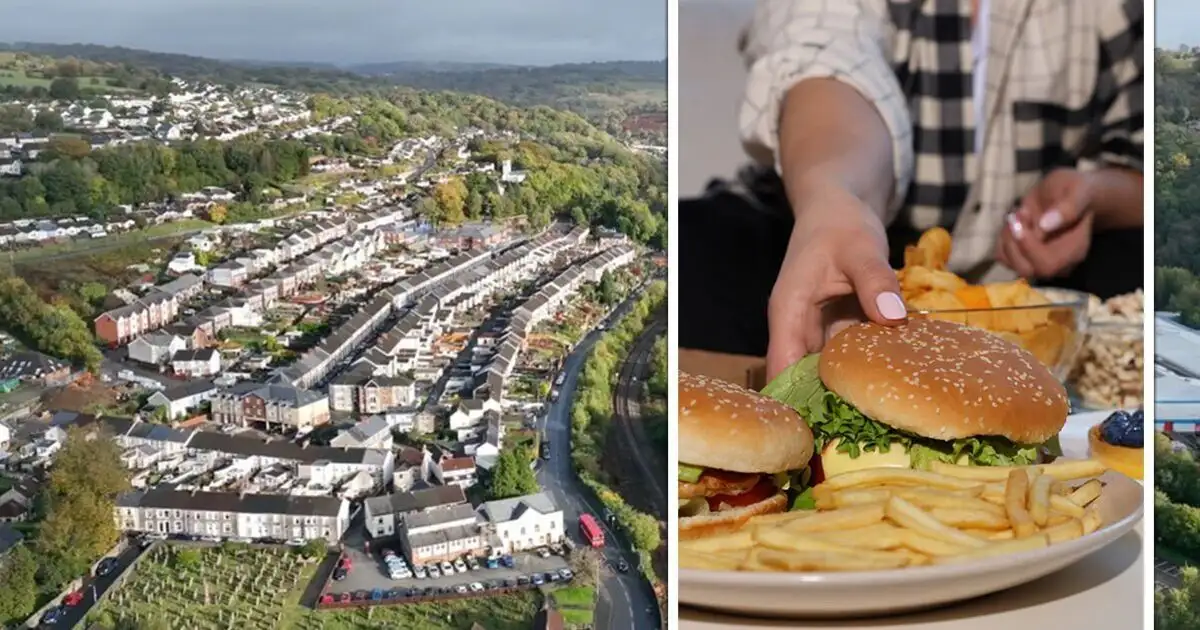
Efforts to combat the unhealthy food environment are also seen in attempts to block new takeaways from opening. The Aneurin Bevan University Health Board and the Blaenau Gwent Food Partnership have opposed a new takeaway application, which would add to the existing over 15 kebab shops in Ebbw Vale, a town that reportedly has only one green grocer.
BROADER CONTEXT: WALES' APPROACH TO OBESITY
This local crackdown is part of a wider strategy by the Welsh government. Regulations previously announced in June 2023 included clamping down on unhealthy meal deals and supermarket price reductions for high-fat, high-sugar, or high-salt foods. Research by Public Health Wales indicates that 75 per cent of lunchtime meal deals exceed recommended calorie levels, and consuming them regularly can lead to significant weight gain.
Read More: Georgia Toffolo's Lake Como Trip After Fertility Talks

The government's strategy, termed 'Healthy Weight, Healthy Wales,' has been the subject of public consultation. The focus is on shifting the food environment to encourage healthier choices, with an acknowledgement from health officials that policies targeting the food environment are proven effective.
Critics, however, raise concerns about the scope of these measures. Plaid Cymru's health representative, Mabon ap Gwynfor, has cautioned that the regulations offer "half a solution," suggesting a greater focus on supporting grassroots sports clubs and increasing physical activity in schools. Others, like Ashley Evans, argue for individual autonomy, stating that "people should be allowed to make their own choices about what they eat."
Read More: Southampton Planning Board Seeks Details on Trump's 250-Foot Arch
The 'Fattest Town' narrative, as it has been dubbed, is not unique to Blaenau Gwent. Experts trace the nation's reliance on cheap junk food back to post-war Britain, where affordability and efficiency in food production became paramount. This has resulted in a "broken food environment" that necessitates rebuilding food culture through accessible cooking skills and education.
BACKGROUND: THE OBESITY CRISIS IN WALES
The statistics paint a concerning picture of public health in Wales. Across the county, 78 per cent of all people are overweight, with a significant 37 per cent classified as obese. This epidemic is attributed to a diet increasingly dominated by readily available, cheap, and processed foods. Cancer Research UK has previously flagged multi-buy offers ("buy one get one free") as contributing factors, persuading consumers to purchase more unhealthy items than intended.
The current measures represent a concerted effort to alter this trajectory, targeting both the availability and visibility of unhealthy food options, with the ultimate goal of improving public health and reducing the burden on the NHS.
Read More: Woman's face went numb: Stroke symptoms missed as migraine in London