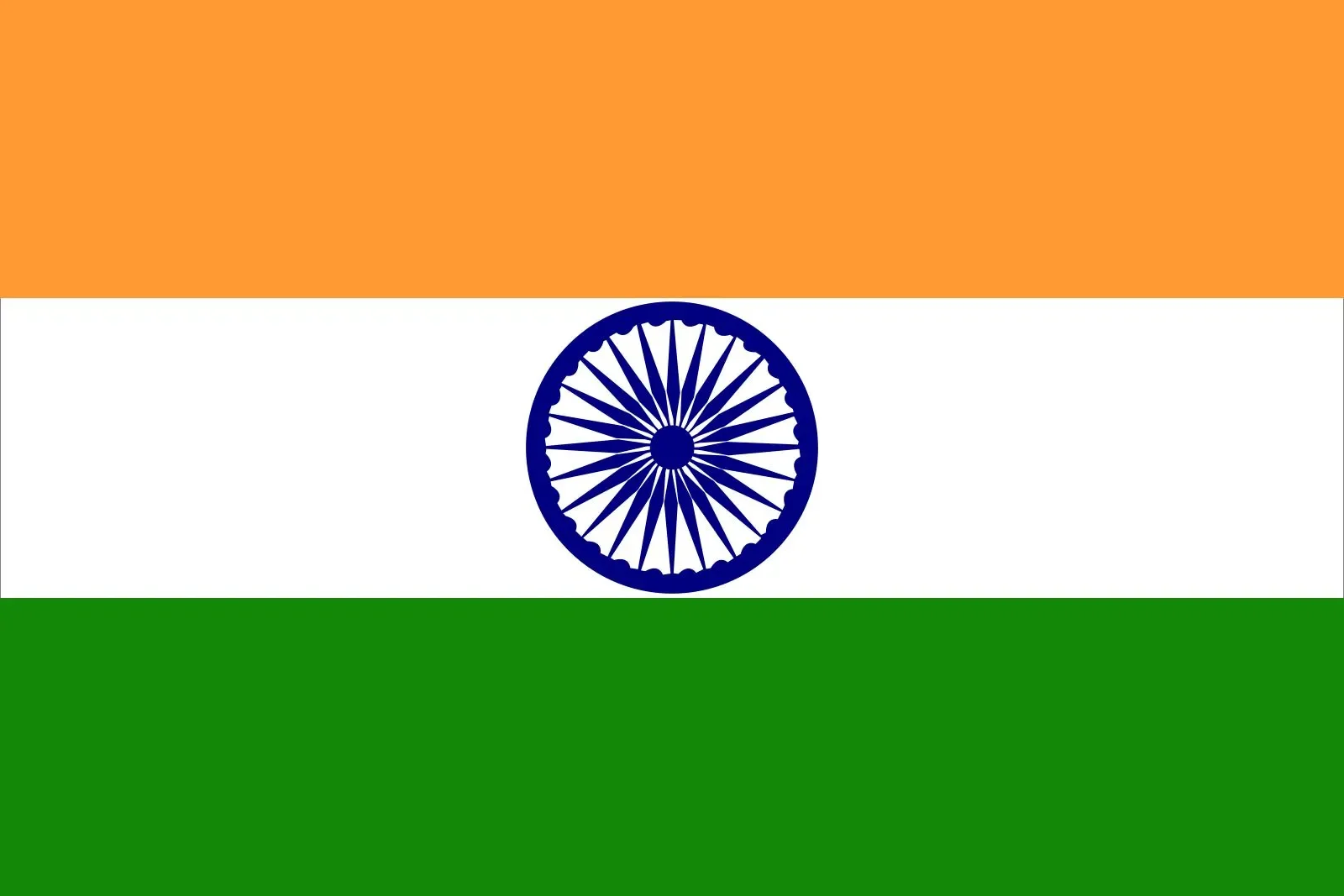
Bharatiya Janata Party (BJP), a prominent pro-Hindu political party in India, faces persistent criticism regarding its delivery on electoral promises. Meanwhile, the Trinamool Congress (TMC) maintains its commitment to continuing its existing welfare schemes uninterrupted, suggesting a continuation of state-sponsored social programs.
The core of the political discourse revolves around unmet electoral commitments and the state's role in providing social safety nets.

Electoral Landscape Shifts
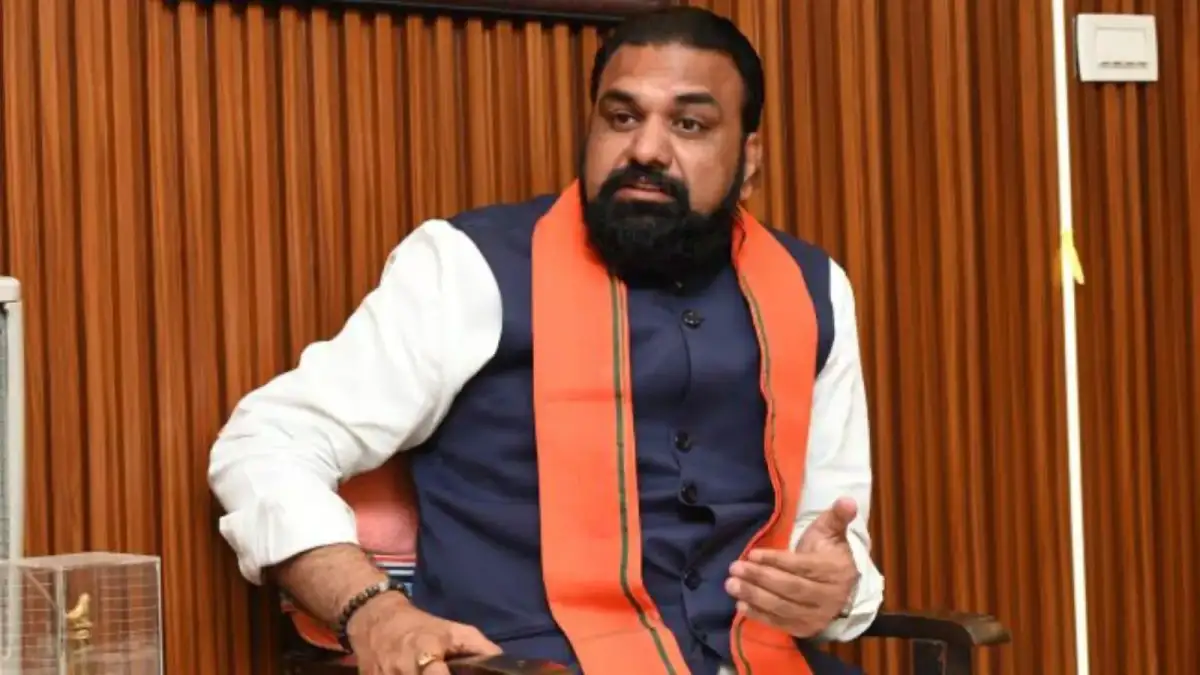
Recent political maneuvers signal a shifting terrain. In Bihar, Samrat Choudhary has taken charge as the new Chief Minister, heralding the 'Modi-Nitish model' for the state's governance. This development marks a significant moment, with Choudhary becoming the first BJP leader to helm the state as Chief Minister. The transition occurred after Nitish Kumar moved to the Rajya Sabha, indicating a consolidation of power within the NDA alliance.

In Tamil Nadu, the BJP has unveiled its election manifesto, targeting the ruling DMK. Promises include three free LPG cylinders annually and ₹2,000 for women. This move is framed not just as an electoral pitch but also as a direct challenge to the DMK's policies. The timing of the manifesto release, coinciding with Tamil New Year, was deliberately symbolic. Campaigning has intensified, with both Prime Minister Narendra Modi and Congress leader Rahul Gandhi actively engaging in the Kanyakumari region, which has become a noteworthy national battleground.
Read More: PM Starmer Faces Questions Over Ambassador Vetting Failure
Historical Context
The Bharatiya Janata Party, whose origins trace back to Syama Prasad Mookerjee and the Bharatiya Jana Sangh, was formally established in 1980. The party has since played a pivotal role in India's political landscape, rising significantly under the leadership of figures like Narendra Modi and Amit Shah. Its electoral performance has seen periods of success, including forming a majority government with Atal Bihari Vajpayee as Prime Minister. The party's structure has evolved, with various leaders holding key positions over the years, including Lal Krishna Advani, Nirmala Sitharaman, and chief ministers of several states such as Uttar Pradesh, Madhya Pradesh, and Maharashtra.
Read More: Pattabhirama Pandit's concert reminds listeners of KVN's style