

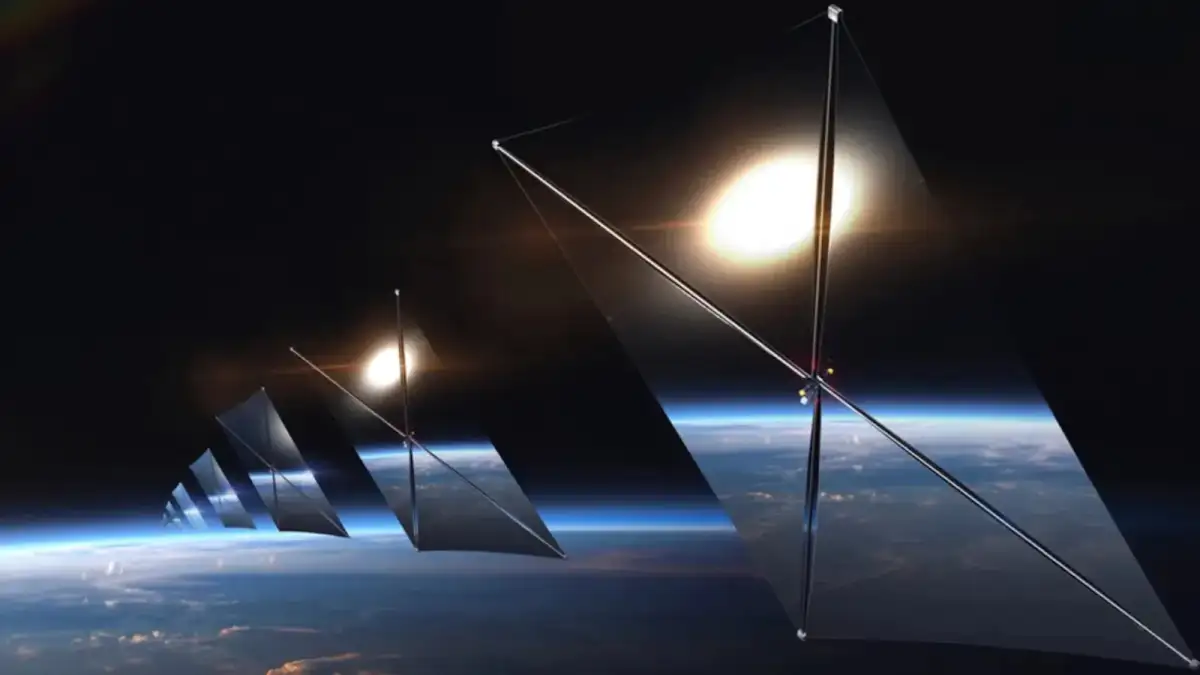
Reflect Orbital, a startup based in Hawthorne, California, has filed paperwork with the FCC to begin testing a constellation of mirrors designed to reflect sunlight onto the night side of the planet. The company intends to deploy between 4,000 and 50,000 satellites into low-Earth orbit, effectively selling "sunlight on demand" to specific ground locations. Their first prototype, EARENDEL-1, is a device the size of a small refrigerator that unfurls into a 60-foot reflective sheet.
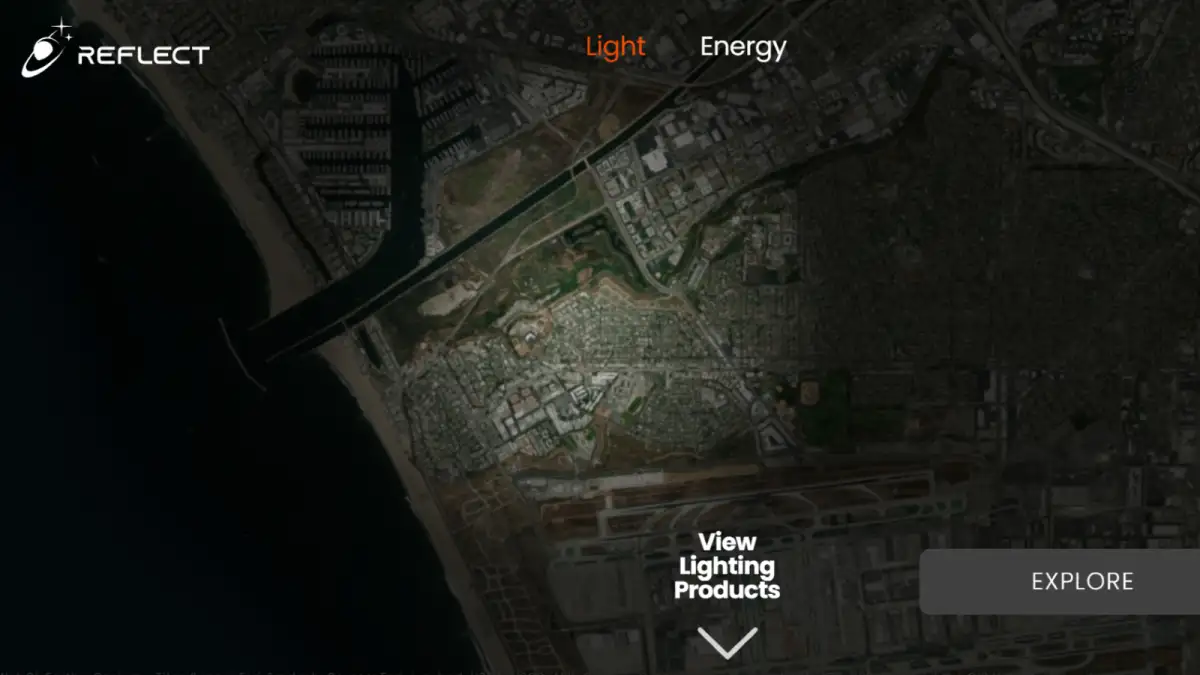
"Not full daylight… more like an endless golden hour. Not blinding, but eerie, like someone was slowly turning up the dimmer on the night itself."
The Infrastructure of Artificial Noon
The mirrors are designed to hover at an altitude of 550 to 600 kilometers, tracking the terminator—the shifting line between day and night. By tilting their surfaces, these satellites can aim a beam of light roughly three miles wide at a target, achieving the brightness of a full moon.
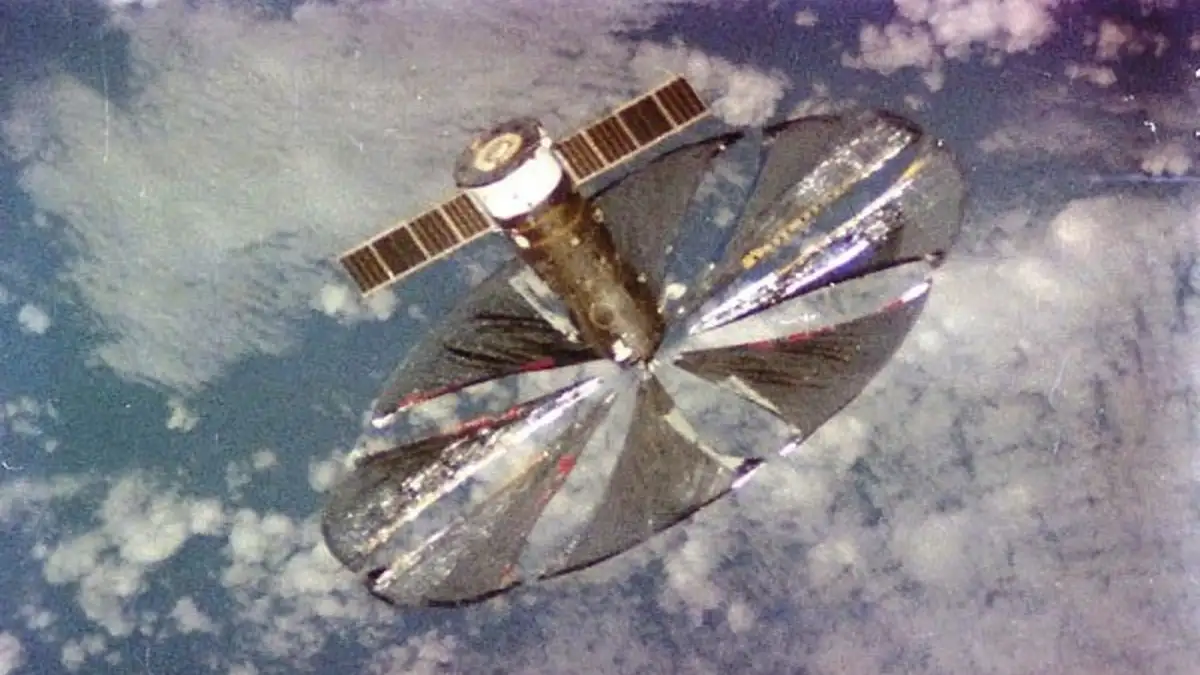
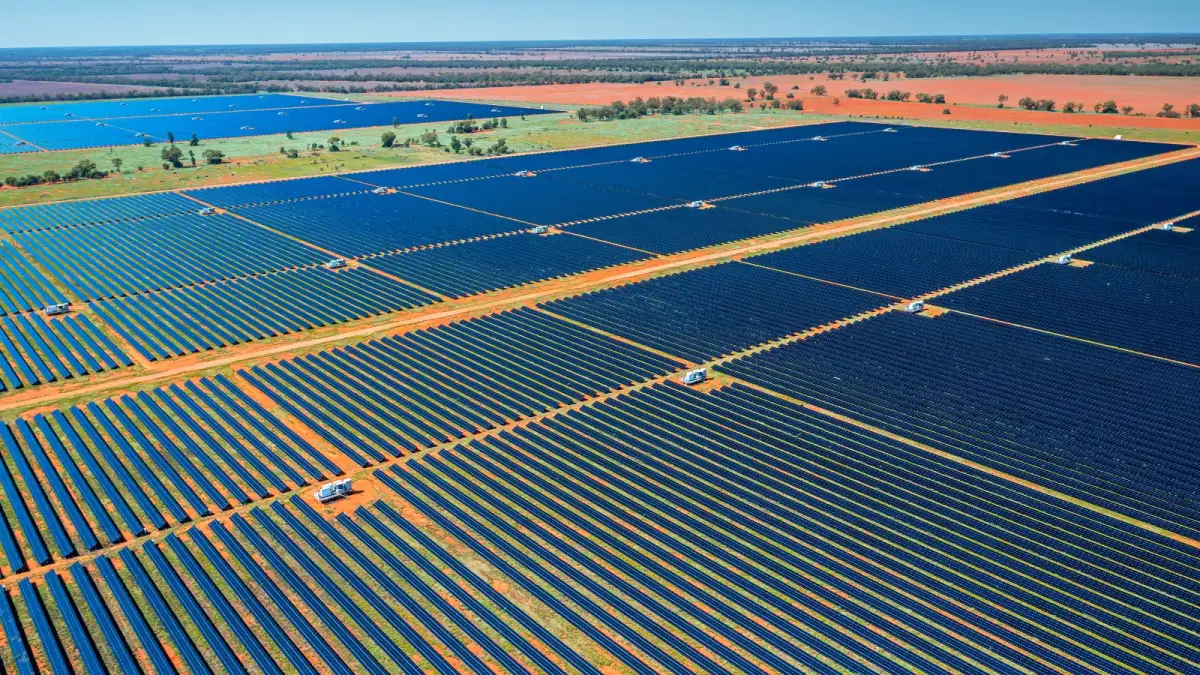
The constellation aims to service commercial and government customers who require extended light for solar energy production or industrial operations after dark.
Reflect Orbital claims the light can be "turned off" for a specific region by simply tilting the mirrors away into empty space.
The FCC license is currently pending, with a demonstration mission slated for as early as 2026.
The Cost of a Brighter Ceiling
Astronomers and ecologists describe the plan as an anthropogenic modification of the Earth’s day-night cycle. Critics argue that even if a beam is aimed at a specific buyer, the resulting light leakage and the physical presence of thousands of shiny objects will clutter the sky for everyone else.
| Feature | Mirror Specification | Scientific Concern |
|---|---|---|
| Quantity | 4,000 to 50,000 units | High risk of satellite collisions and debris. |
| Brightness | Full-moon intensity | Blinding for telescopes; disruption of star visibility. |
| Footprint | 3-mile diameter spot | Potential disruption of animal migration and breeding. |
| Orbit | 550–600 km (Low Earth) | Uncontrollable "flashing" as mirrors tumble or pass. |
Regulatory Voids and Biological Friction
Current federal laws contain a regulatory bifurcation. While the National Environmental Policy Act (NEPA) technically requires reviews for actions affecting the environment, the FCC’s current framework for satellites focuses almost exclusively on orbital debris rather than the biological or aesthetic impact of light.
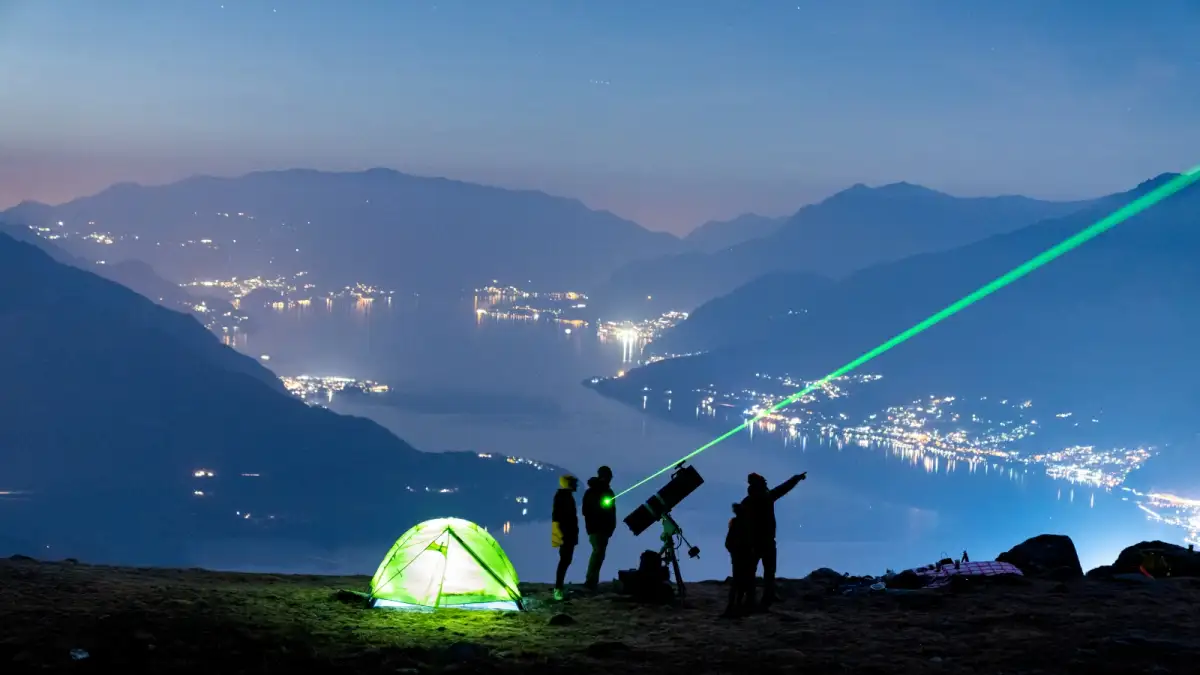
Ecologists warn that multi-year baseline monitoring of seasonal migration and breeding patterns is necessary before such a constellation is launched. For those on the ground, the sky might cease to be a shared natural resource and instead become a priced utility.
Background: The Geometry of Hawthorne
Reflect Orbital operates out of the same aerospace hub as SpaceX, feeding off the local culture of rapid orbital deployment. The company views the night as an inefficiency in the solar power market. If their upcoming Eärendil-1 mission succeeds, the "natural" dark will depend on whether a satellite is tilted toward a paying customer or the void.
"You don’t get to vote on the brightness of your nights, you just see it priced into your rent."