/newsfirstprime/media/media_files/2026/03/10/cm-siddaramaiah-2026-03-10-14-29-55.jpg)
Siddaramaiah Pens Urgent Appeal to Union Minister as Businesses Face Shutdown
The city of Bengaluru is grappling with a significant disruption in its supply of commercial Liquefied Petroleum Gas (LPG), directly impacting the operations of numerous hotels, restaurants, hostels, and event venues. Karnataka Chief Minister Siddaramaiah has formally written to Union Minister for Petroleum and Natural Gas Hardeep Singh Puri, highlighting the severe consequences of this shortage and urging immediate intervention to restore adequate supplies.
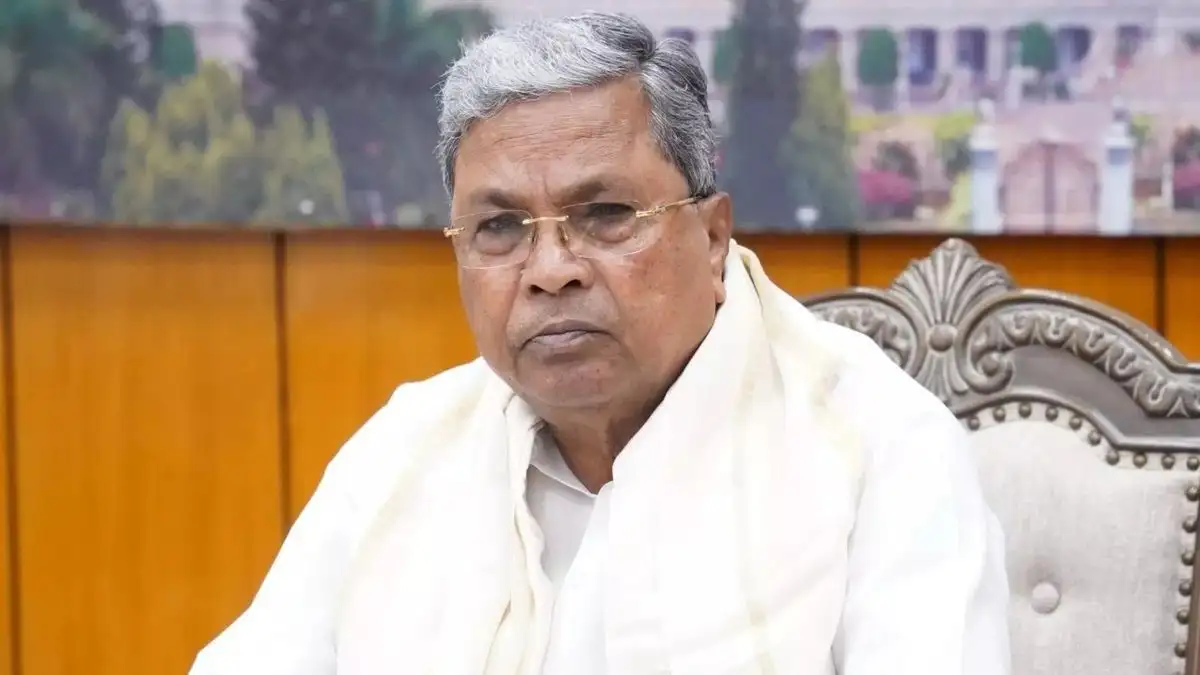
The Chief Minister's correspondence underscores the potential for widespread business suspension, noting that many establishments are already reporting difficulties in procuring cylinders. This scarcity is particularly acute for venues catering to large-scale food preparation, such as wedding halls, choultries, and community centers, especially as they face scheduled social and community events. The ripple effect of this disruption is expected to disproportionately affect students and working professionals who rely heavily on these commercial food services for their daily meals.
Read More: McDonald's Stops Self-Serve Soda Machines Across US Restaurants
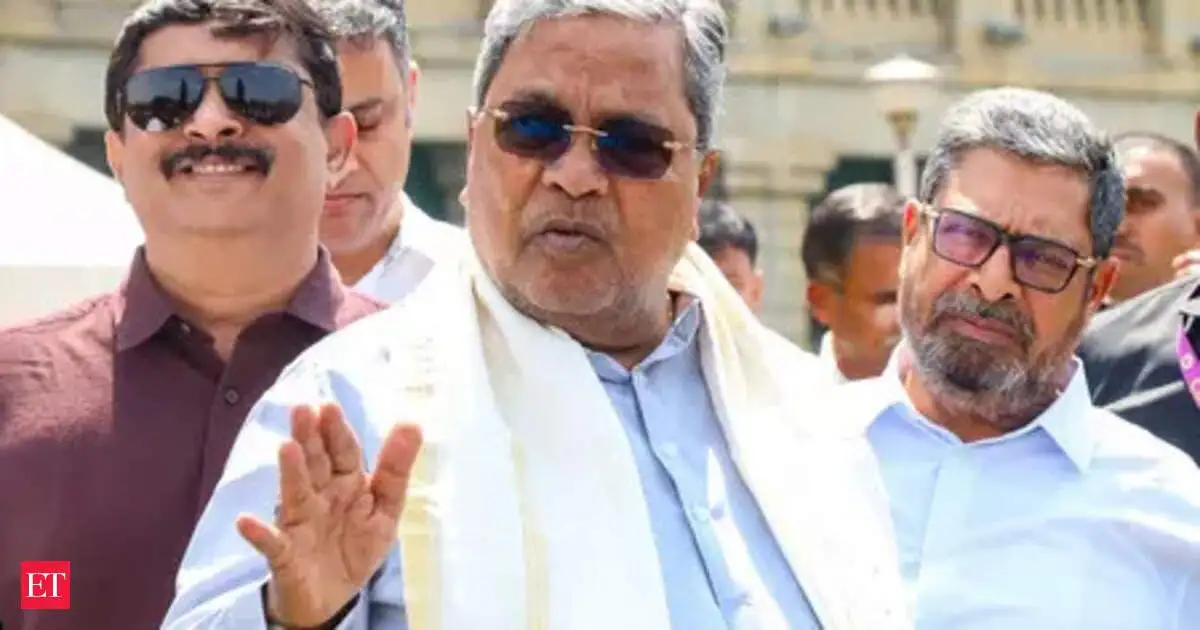
The Chief Minister specifically referenced an apparent shift in LPG allocation priorities. In his letter, Siddaramaiah acknowledged the intent behind prioritizing domestic LPG supplies but suggested that this implementation has inadvertently created a critical shortage for commercial users in Bengaluru. He pointed out that the city's commercial LPG demand is typically met by three major oil marketing companies: Indian Oil Corporation, Hindustan Petroleum Corporation Limited, and Bharat Petroleum Corporation Limited, with daily supplies generally ranging from 500–550 metric tonnes from Indian Oil, about 300 metric tonnes from Hindustan Petroleum, and roughly 230 metric tonnes from Bharat Petroleum.

The Karnataka government is now seeking explicit directions from the Union Ministry to these oil marketing companies, compelling them to address the current supply constraints. The urgency of the situation is amplified by reports of restaurants operating with limited menus and concerns about prolonged disruptions leading to further impact on daily life and the city's economic activities.
Read More: New Bengaluru Green Line Metro Trains Arriving by August 2026

A City's Appetite Stalled
The disruption in commercial LPG supply has plunged Bengaluru's food service sector into uncertainty. Businesses across the hospitality spectrum, from roadside eateries to larger banquet halls, are struggling to maintain operations. The dependency on commercial LPG is substantial in a metropolitan city like Bengaluru, where a vast population relies on these establishments for regular sustenance.
The immediate concern for many business owners is the prospect of forced temporary closures if the supply issue is not resolved swiftly. This situation carries significant economic implications, threatening livelihoods and potentially impacting the broader food ecosystem within the city.
Wider Implications and Official Response
The scarcity is not confined solely to Bengaluru, with reports suggesting similar issues are emerging in other major Indian cities. The Bangalore Hotels Association has already flagged the cessation of commercial gas cylinder supplies, adding a layer of official recognition to the reported difficulties. In response to the growing concerns, the Union Ministry has reportedly constituted a high-priority panel tasked with ensuring uninterrupted LPG supplies to non-domestic users.
Read More: Hyderabad Restaurants May Close Due to LPG Gas Shortage by March 15
This intervention by Chief Minister Siddaramaiah brings a political dimension to the supply chain issue, highlighting the critical role of commercial LPG in the functioning of urban centers and the potential consequences when its availability is compromised. The letter serves as a formal plea to bridge the gap between national energy distribution policies and the immediate, on-the-ground needs of a bustling metropolis.

/newsfirstprime/media/media_files/2026/02/18/green-line-metro-2026-02-18-14-46-47.jpg)