Bengaluru city corporations are slated to tap into municipal bonds for infrastructure projects, a move presented as an escape from total dependence on state government funding. The State Budget 2026–27 explicitly supports this approach. However, urban planners inject a note of caution: poorly conceived bond issuances could swamp corporations with extra debt. For those corporations with weaker revenue streams, the government might still be the fallback, potentially acting as a guarantor.
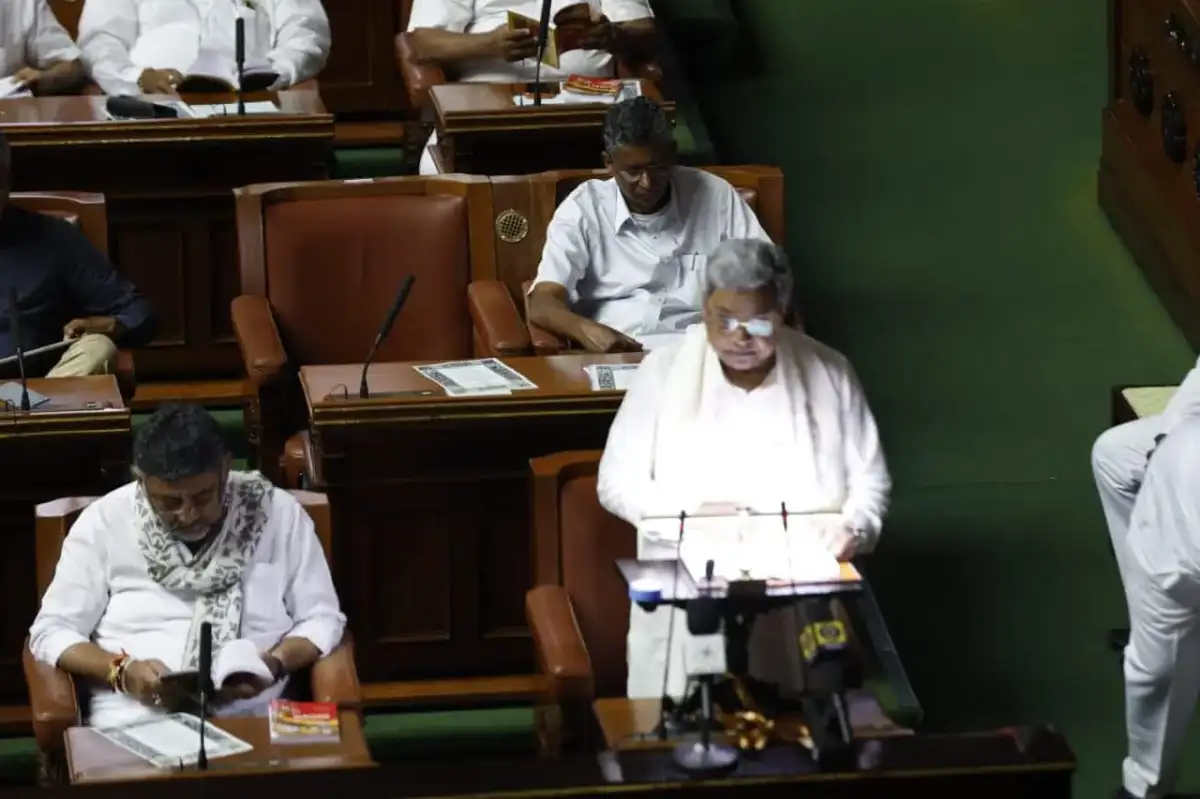
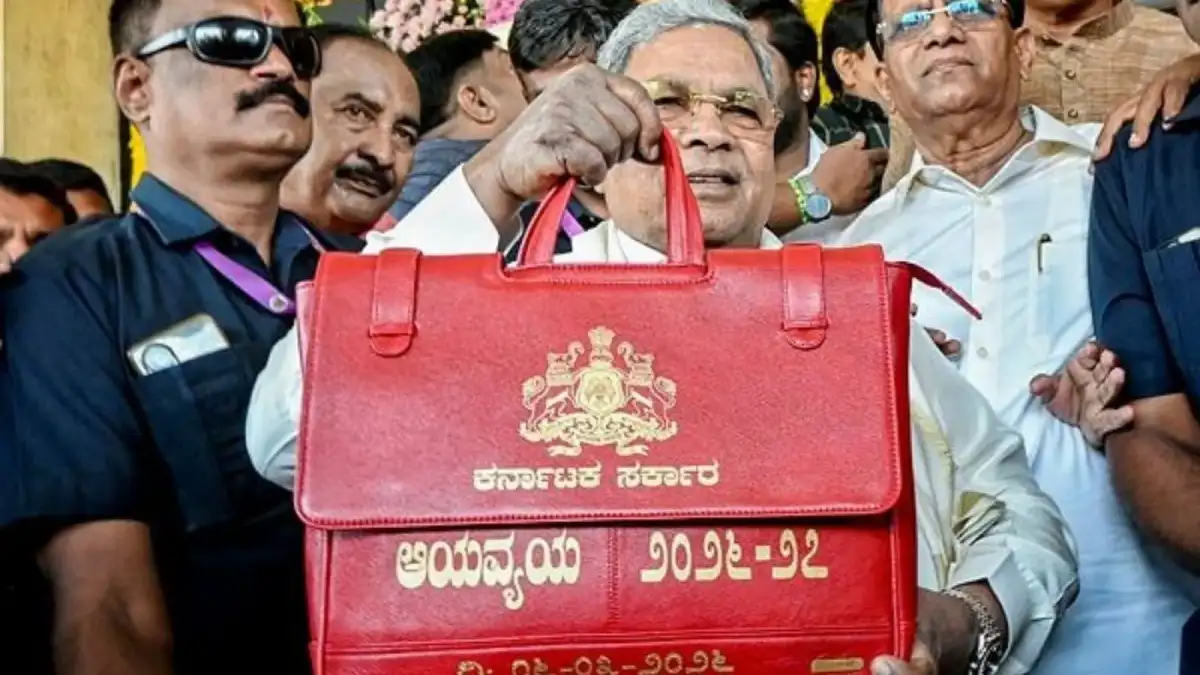
The Karnataka budget for 2026-27 mentions a municipal bond issuance for infrastructure. This comes alongside continued, albeit unchanged, grants for Bengaluru's development. Last year, the grant stood at Rs 3,000 crore, now pegged to remain at that figure for the current fiscal year. Other budget allocations highlight a regional center for a cardiovascular institute (Rs 15 crore), renaming Victoria Hospital to Shantaveri Gopalagowda Hospital, a minority development center (Rs 5 crore), plans for a 'Science City' (Rs 233 crore), and digital library centers (Rs 10 crore each) in Dharwad and Bengaluru.
Read More: Solaris Energy SEI Stock Price Forecast Reaches $91.98 by July 2027

A Shift in Funding?
The allure of municipal bonds lies in their potential to fund large-scale projects without immediate recourse to the state treasury. This offers a new avenue for civic bodies. Yet, the inherent risks of debt accumulation remain a significant concern. Urban planning advocates emphasize the need for meticulous planning to avoid this pitfall.

Broader Market Context
Across India, municipal bonds are gaining traction. A central government incentive of Rs 100 crore is offered for a single bond issuance exceeding Rs 1,000 crore, aiming to boost urban development. This aligns with a broader trend where such instruments are seen as crucial for connecting capital markets with urban needs. Several Indian cities, like Indore and Ghaziabad, have already seen successful green municipal bond issuances, with some being oversubscribed. The inclusion of large municipal bonds in indices like the Nifty India Municipal Bond Index signals growing market acceptance and liquidity.
Read More: How Onikuru facility in Ibaraki City changes local visit habits in 2026

Historical Dependency and Future Uncertainty
Bengaluru, in particular, has historically relied heavily on state government funds for its development initiatives. The shift towards municipal bonds is thus a significant change, though its long-term impact on this reliance is yet to be fully determined. The effectiveness of this new funding model hinges on careful execution and management of the associated financial obligations.