The ever-present hum of the TV licence fee is about to get louder. As families across the UK grapple with relentless cost-of-living pressures, the government has confirmed another annual increase to this mandatory payment. While official statements tout stability and continued public service, critical questions linger about the fairness, sustainability, and future of a funding model that continues to burden the public purse.
The announcement that the TV licence fee will rise to £180 per year from April 1st comes as no surprise to many. This marks the third consecutive year of increases, a predictable rhythm dictated by inflation. The Department for Culture, Media and Sport (DCMS) justifies this by stating it's crucial for the BBC's stable financial footing, enabling it to deliver on its "Mission and Public Purposes" and support the "wider creative industries." They also highlight existing support for households in severe financial difficulty and free licences for over-75s on Pension Credit. However, in a landscape of soaring energy bills, rising food prices, and general economic strain, is another hike truly justifiable?
Read More: Soham Killer Ian Huntley Dies After Prison Assault in HMP Frankland
The Mechanism of the Increase: A Familiar Tune
The stated method for calculating the annual rise is consistent: the Consumer Price Index (CPI). This means the licence fee is intended to keep pace with general inflation, a standard economic measure.
The Formula: The fee increase is directly tied to the annual CPI, ensuring a predictable, albeit upward, trajectory.
Rationale: Government statements emphasize that this provides "predictable funding for the BBC" and aims to "minimise sudden financial burdens."
The Latest Hike: The increase of £5.50 brings the annual cost from £174.50 to £180, translating to an extra 46p per month per household.
This reliance on CPI, while seemingly straightforward, begs the question: does this inflation-linked increase adequately consider the actual financial realities of millions of households? When inflation itself is driven by volatile global factors, are we merely locking in a perpetual upward pressure on a mandatory fee, regardless of broader economic conditions?
Who Pays, Who Benefits, and Who Decides?
The obligation to pay the TV licence fee is broad, encompassing any household that watches or records live TV, or uses BBC iPlayer, regardless of the device used – be it a TV, laptop, phone, or tablet. This wide net is designed to ensure the BBC's funding.
Read More: NBCUniversal Stops Making New Shows for TV Stations, Access Hollywood Cancelled
"Every household in the UK is legally required to have a TV licence in order to watch or record live TV, regardless of what channel it is on." (Source: Article 5)
"The fee applies to UK households if they download or watch any BBC shows on iPlayer, watch or stream shows live on any other online TV service, or watch or record programmes as they're being shown on any TV channel." (Source: Article 2)
However, the effectiveness and fairness of this model are increasingly under scrutiny. With the BBC reportedly exploring ways to detect households using iPlayer without a licence, are we moving towards a more intrusive enforcement regime?
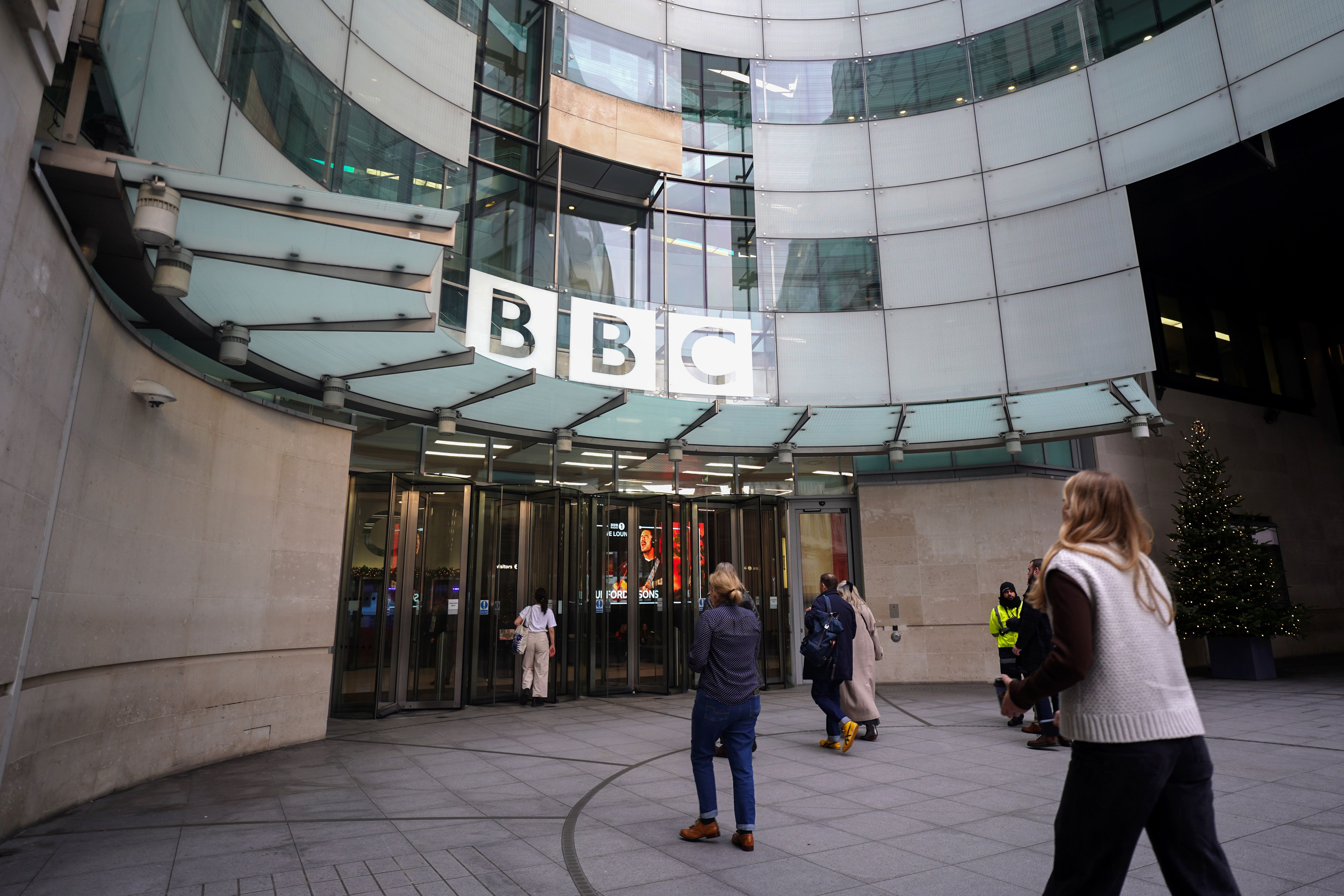
Current Rules:
Watching or recording live TV on any channel.
Using BBC iPlayer for any content, live or on-demand.
Streaming live TV on any online service.
Applicable to all devices: TVs, laptops, phones, tablets.
Exemptions & Concessions:
Free Licences: For individuals aged 75 and over who receive Pension Credit.
Reduced Fees: For care home residents and blind individuals.
Simple Payment Plan: To spread costs over smaller instalments.
While concessions exist, the fundamental obligation remains for the vast majority. The government's commitment to the licence fee for the "remainder of this Charter Period" provides a degree of certainty, but this is happening concurrently with a "Charter Review Green Paper public consultation on options for BBC future funding." What does this consultation entail, and what alternative models are genuinely on the table beyond simply adjusting the existing fee?
The Shadow of Funding Uncertainty: Beyond the Annual Rise
The annual inflation-linked increase is presented as a mechanism for stability. Yet, the BBC's long-term funding model is far from settled. The ongoing "Charter Review Green Paper" process is a critical juncture, explicitly exploring alternatives to the current system.
Read More: Ian Huntley, Soham Killer, Dies After Serious Prison Attack in HMP Frankland
"The government continues the Charter Review Green Paper public consultation on options for BBC future funding." (Source: Article 1, Article 7)
The consultation document itself hints at significant potential shifts:

Advertising Model: Could the BBC introduce commercial advertising, a move that would fundamentally alter its independence from commercial pressures?
Subscription Model: Would a subscription service, similar to Netflix or other streaming platforms, be a viable or equitable replacement?
These are not minor tweaks; they represent a potential reinvention of public service broadcasting in the UK.
| Potential Funding Models | Key Characteristics | Potential Implications |
|---|---|---|
| Current Licence Fee | Mandatory annual fee, inflation-linked, funds BBC content and services without direct advertising. | Perceived as a regressive tax, financially burdensome for some, but ensures universal access and independence from commercial influence. |
| Advertising-Supported | BBC content would include advertisements, generating revenue. | Potential loss of editorial independence, audience experience altered by ad breaks, possible shift in content focus to attract advertisers. |
| Subscription-Based | Households would pay a recurring fee for access to BBC content, similar to streaming services. | Risk of a "two-tier" system (payers vs. non-payers), potential decline in reach and audience diversity, challenges in maintaining public service remit. |
| Hybrid Models | A combination of the above, e.g., a reduced licence fee plus some advertising, or a basic free tier with a premium subscription. | Complex to implement and communicate, could dilute the BBC's unique identity, raises questions about how public service obligations would be maintained across tiers. |
The very act of consulting on these alternatives suggests a tacit acknowledgement that the current licence fee model, while perhaps stable for the short term, faces fundamental questions about its long-term viability and public acceptance. Why continue with predictable annual increases if a wholesale change is genuinely being considered? Is this simply a holding pattern, or a way to placate stakeholders while deeper, potentially more radical, reforms are debated behind closed doors?
Broader Context: A Squeezed Public and a Divided Nation
The timing of this increase is particularly sensitive. Reports last week indicated the BBC is exploring enhanced detection methods for licence fee evasion, focusing on iPlayer usage. This comes at a time when public sentiment towards the BBC is reportedly mixed, with some accusing it of institutional bias.
Read More: Pentagon Chief Wants David Ellison to Buy CNN Soon
"With families facing soaring bills and taxes, it is indefensible to demand more money for an institutionally biased BBC. Reform UK would overhaul a national broadcaster that is clearly unsustainable in its current form.” (Source: Article 3 - Quoting Reform UK)
While the BBC champions its role in providing content "free from commercial pressures," critics argue that the licence fee itself represents a significant "financial pressure" on households. The statement from the DCMS, "The government recognises the financial pressures on households and is committed to ensuring the BBC's funding model is sustainable, fair and affordable," rings hollow for many who are struggling.
Public Reaction: Debates highlight concerns about affordability and sustainability. (Source: Article 4)
Political Divisions: Parties like Reform UK advocate for a complete overhaul. (Source: Article 3)
BBC's Defence: Supporters emphasize the licence fee ensures universal access to vital public service broadcasting. (Source: Article 4)
The debate isn't just about the £180 fee; it's about the perceived value, the impartiality, and the fundamental principle of a mandatory public service broadcast funded in this manner. Is the BBC truly meeting "audience needs for generations to come" with a model that faces such consistent public and political challenge?
Conclusion: A Fee Frozen in Time, While the Future is Debated
The £180 TV licence fee, effective April 1st, is a clear signal that the current funding mechanism will persist for the immediate future, driven by the inertia of an inflation-linked agreement. The government's narrative centres on ensuring "stable financial footing" for the BBC and supporting "audiences and the wider creative industries." The provision of concessions and payment plans are presented as measures to mitigate the burden.
Read More: Prisoner Charged in Ian Huntley Murder; Funeral Costs Cause Debate
However, this predictable, annual rise stands in stark contrast to the profound uncertainty surrounding the BBC's long-term funding. The Charter Review Green Paper consultation on alternative models – be it advertising or subscription – signals a government and broadcaster at a crossroads.
The critical questions remain:
Is an inflation-linked increase sustainable and fair when many households are experiencing unprecedented financial strain?
How robust and transparent is the consultation process for the BBC's future funding, and what genuine alternatives are being seriously considered?
If radical reform is on the table, why maintain a seemingly rigid annual increase that might pre-empt or complicate future decisions?
What is the ultimate vision for public service broadcasting in the UK, and can the current licence fee model truly deliver it in the digital age?
Until these questions are answered, the £180 fee will likely be seen not just as an annual adjustment, but as a symbol of a funding system grappling with its past while its future remains decidedly unclear. The commitment to the current model for the "remainder of this Charter Period" might offer short-term stability for the BBC, but it does little to resolve the underlying tension with a public increasingly questioning the cost and the necessity of this mandatory levy.
Sources:
gov.uk: Cost of TV licence fee set for 2026/27
Link:
https://www.gov.uk/government/news/cost-of-tv-licence-fee-set-for-202627bbc.com: TV licence fee to rise by £5.50 to £180 from April
Link:
https://www.bbc.com/news/articles/cddgd0m4de9oindependent.co.uk: TV licence fee to increase to £180 a year from April
Link:
https://www.independent.co.uk/news/uk/home-news/bbc-government-tv-licence-b2915299.htmlbritbrief.co.uk: TV licence fee increases to £180 per year from 1 April, adding 46p monthly to fund BBC.
Link:
https://britbrief.co.uk/entertainment/streaming/tv-licence-fee-increases-to-180-annually-from-april.htmltheargus.co.uk: BBC TV Licence cost will rise to £180 this April, Government confirms
Link:
https://www.theargus.co.uk/news/national/uk-today/25832015.bbc-tv-licence-cost-rise-180-april-dcms-confirms/lbc.co.uk: TV licence fee set to rise for third year in a row, hitting £180
Link:
https://www.lbc.co.uk/article/tv-licence-fee-rise-5HjdRwr_2/new.govwire.co.uk: Cost of TV licence fee set for 2026/27 | GovWire Government News
Link:
https://new.govwire.co.uk/news/department-for-culture-media-and-sport/cost-of-tv-licence-fee-set-for-202627-g539214