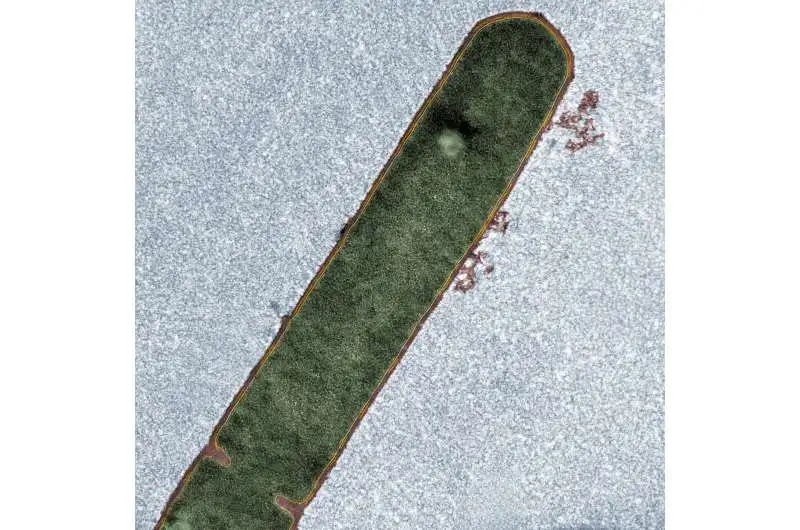
Scientists have identified a crucial mechanism by which certain bacteria maintain their distinctive rod shape, a discovery rooted in the intricate workings of molecules dubbed 'teichoic acids.' Experiments show that these acids act as a brake on an enzyme, preventing the uncontrolled building of the bacterial cell wall and thereby preserving the cell's structural integrity.
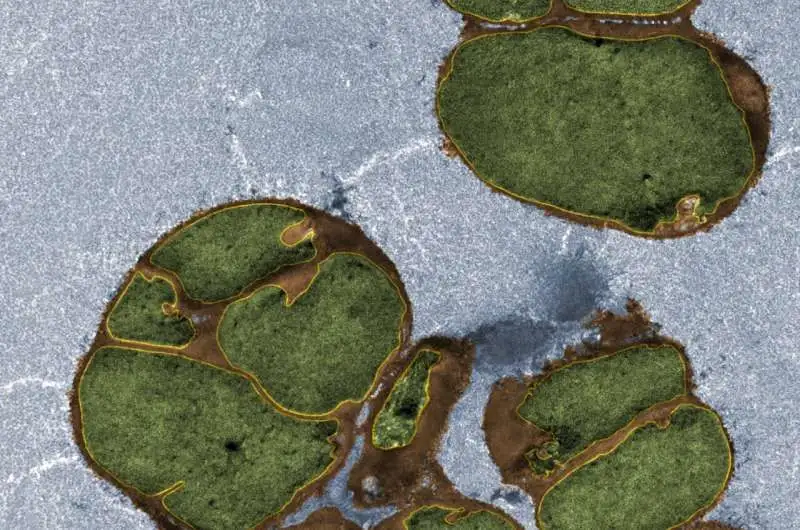
When teichoic acids are absent, these bacteria, like the well-studied Bacillus subtilis, lose their characteristic elongated form, devolving into shapeless masses. This loss of structure has implications, suggesting that bacteria lacking these acids could serve as models for understanding simpler, perhaps ancestral, cellular forms. The research also points to a similar dependency in Listeria monocytogenes, a bacterium known for causing foodborne illnesses, which also disassembles its rod-like form when teichoic acids are scarce.
UNRAVELING THE MECHANISM
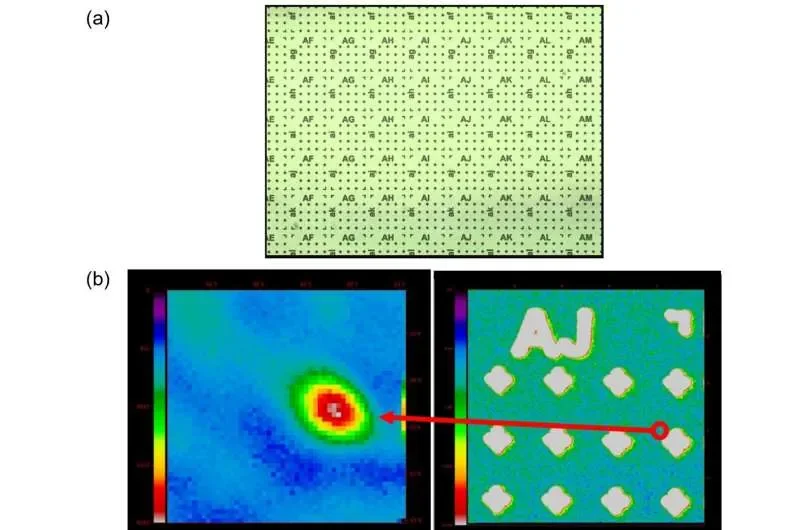
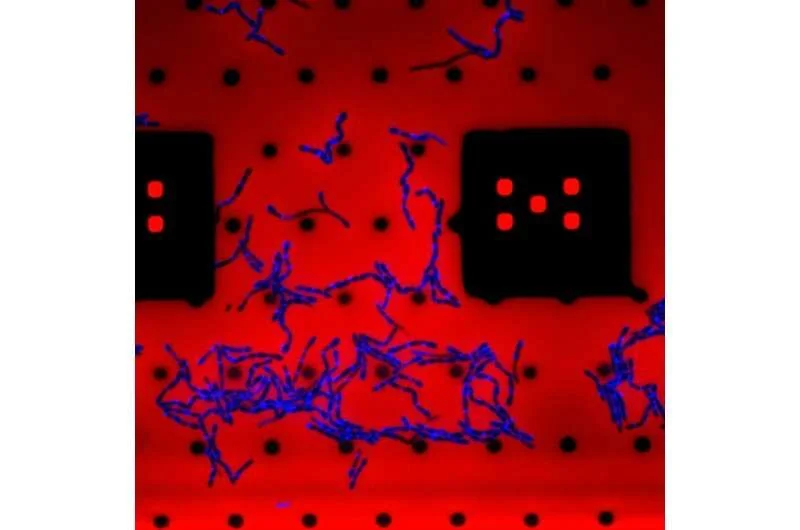
The precise way teichoic acids exert their influence has been a subject of recent investigation. Using advanced techniques, including a 'microscopic plumbing system' known as microfluidics, researchers were able to isolate bacterial cells. They manipulated these cells to remove their teichoic acids while closely observing the movement of proteins responsible for constructing the cell wall. This observational approach revealed how the acids effectively regulate the peptidoglycan synthesis, the process that builds the cell's rigid outer layer.
Read More: Indigenous Data Rights Now Key in Conservation Genomics
The core question that spurred this inquiry was understanding the control exerted by teichoic acids over cellular proteins. By watching these systems in action, scientists are piecing together a more complete picture of bacterial morphology.
BROADER IMPLICATIONS
The findings shed light not only on the fundamental biology of bacteria but also on potential vulnerabilities. The role of teichoic acids in maintaining shape is a significant factor in bacterial survival and function. Understanding this process could, in the long term, open avenues for developing new strategies to combat bacterial infections, particularly those involving rod-shaped pathogens.
The study of these acids is ongoing, with further research anticipated to explore the full spectrum of their roles within bacterial cells.