


Structural Integrity Under Duress
New explorations reveal that the physical form of bacteria, specifically their rod-like shape, is not merely a passive characteristic but an active strategy for survival, particularly in constricted environments. Research indicates that rod-shaped bacteria consistently outperform spherical variants when space is limited, irrespective of the bacterial species. This competitive edge suggests a fundamental advantage tied to their architecture, prompting questions about whether specific genetic adaptations underpin this superiority.
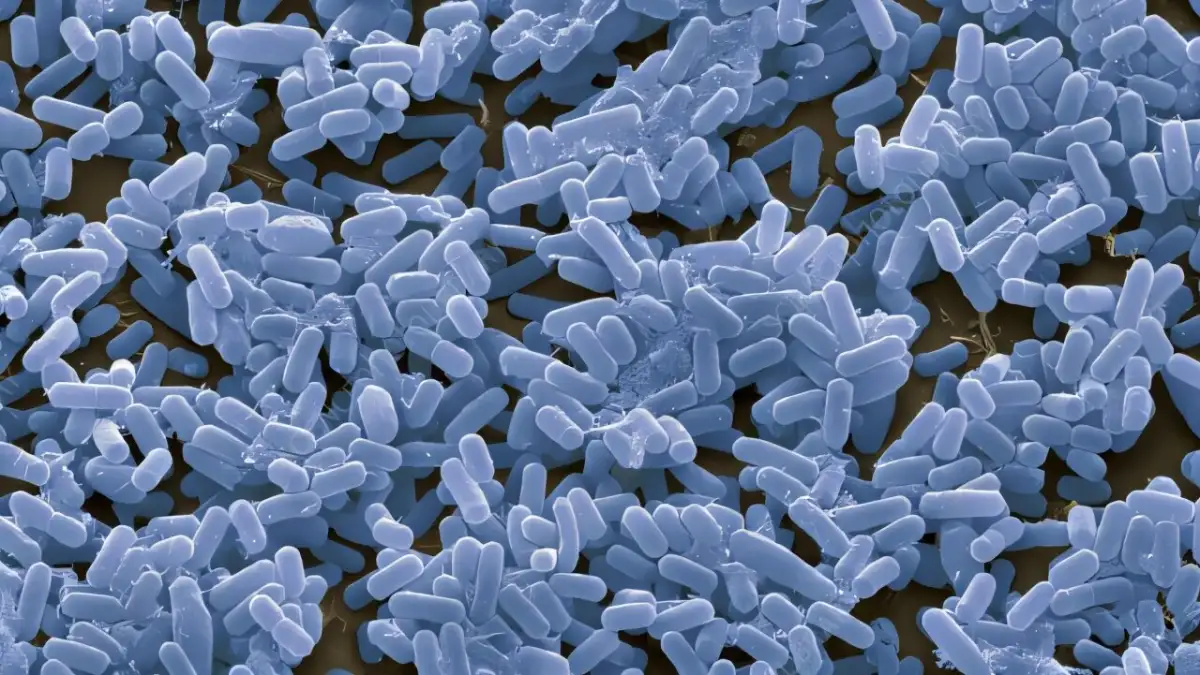
The mechanical forces exerted on a bacterium, how it is compressed or stretched, appear to directly influence its cell wall growth rate. This strain-dependent growth mechanism has been theoretically modeled and experimentally observed to explain how bacteria can straighten themselves out after being deformed. This "snapback" capability is crucial, as it allows bacteria to maintain their characteristic shape even when subjected to external pressures.
A Flexible Framework for Existence
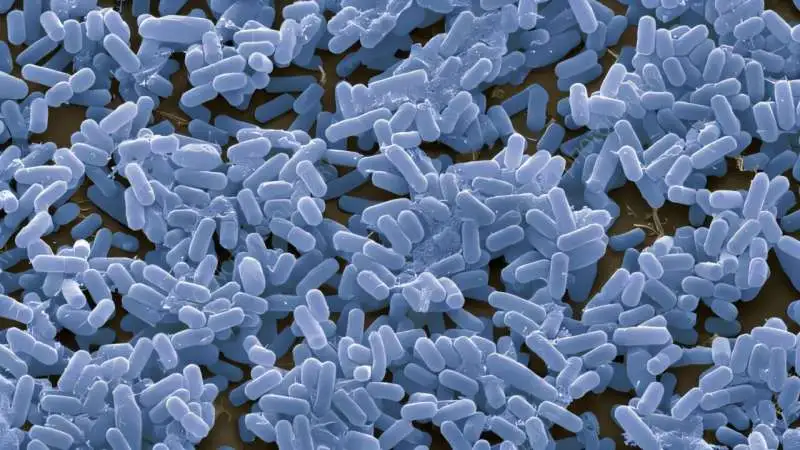
Beyond maintaining their standard form, bacteria exhibit a remarkable ability to lose and later regain their cell walls, thereby altering their shape. This phenomenon, observed in entities like E. coli, allows them to potentially evade detection by the immune system. The capacity to exist temporarily as altered forms, termed "L-forms," and subsequently revert to their original structure, regaining their full potential to cause infection, highlights a significant survival tactic.
Further investigation into the mechanics of shape maintenance points to the Tol-Pal system. This cellular machinery is implicated in maintaining the connection between the inner and outer bacterial membranes. Under nutrient-deprived conditions, the space between these membranes can expand, causing the inner membrane to detach. Upon reintroduction to nutrient-rich environments, the Tol-Pal system is reactivated, re-establishing membrane integrity and supporting the bacterium's return to its typical cellular volume and shape.
The Significance of Form
The physical configuration of bacteria is intrinsically linked to their ability to infiltrate and attack host cells. The precise mechanisms by which bacteria acquire and retain their forms, and how these forms facilitate their pathogenic actions, remain areas of ongoing scientific inquiry. The resilience of their structural integrity, even when compromised, underscores the complex adaptations that enable bacterial persistence and proliferation.