OVER 13 HOURS AMIDST PASSENGER COMPLAINTS OF ODOR
A deceased passenger, a woman in her 60s, was reportedly kept in a heated galley for over 13 hours on a British Airways flight from Hong Kong to London. Fellow passengers complained of a "foul smell" during the extended journey.

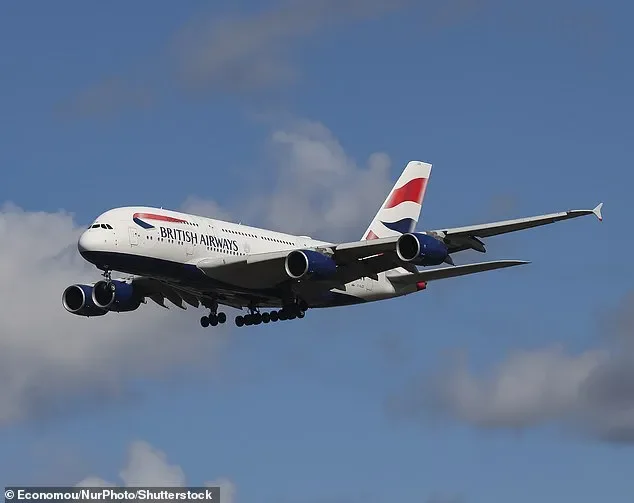
The incident unfolded on British Airways flight BA32, a long-haul service. The passenger passed away approximately 30 minutes to an hour after takeoff. Instead of diverting the flight, the crew made the decision to continue the journey to Heathrow Airport.
"We are supporting our crew and all procedures were correctly followed." - British Airways Spokesperson
Upon discovering the death, flight attendants worked to "isolate" the body, wrapping it in materials before moving it to a galley at the rear of the aircraft. Cockpit staff had initially considered using a lavatory for temporary storage, but this option was reportedly rejected by the cabin crew. Some reports suggest that the galley involved had underfloor heating, which may have contributed to the odor.
Read More: Margaret River Named World's Best Wine Place
The decision to continue the flight, rather than divert, has drawn attention. Airline guidelines, such as those from the International Air Transport Association (IATA), suggest protocols for handling in-flight deaths, often involving body bags or blankets. However, a confirmed death is not always classified as an emergency requiring an immediate diversion, particularly when no further medical intervention is possible.

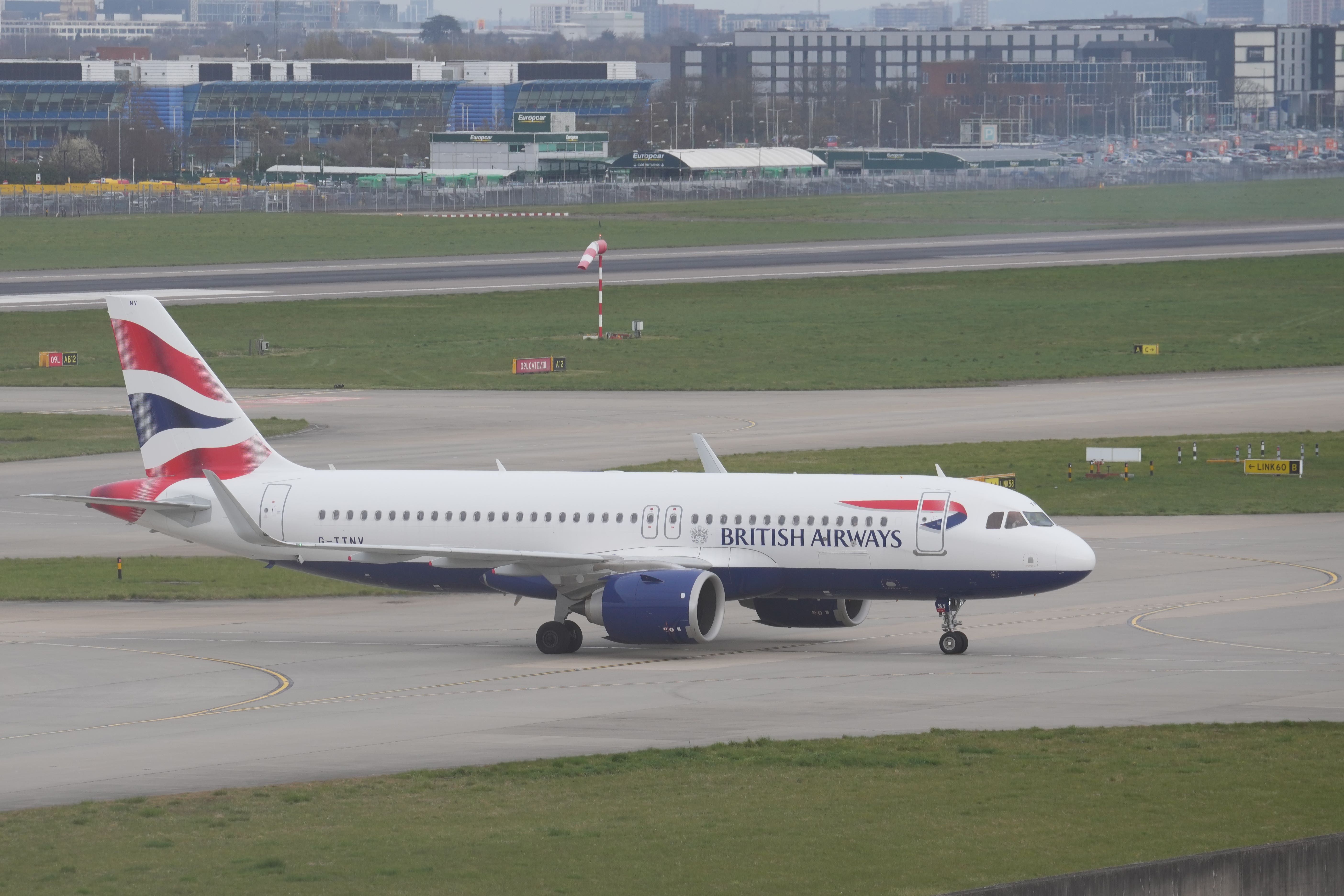
The flight, carrying 331 passengers, continued its approximately 13.5-hour journey. Upon arrival at Heathrow, police met the aircraft, and passengers were asked to remain seated for roughly 45 minutes while the death was investigated. The airline stated it is supporting its crew, and some crew members have reportedly taken time off work due to trauma from the event.
This situation has also sparked discussions about the procedures for handling deaths on commercial flights and the challenges airlines face in balancing protocols with the well-being of passengers and crew.
Read More: Fresno Airport $85 Million Funding Boost Improves Travel in April 2026