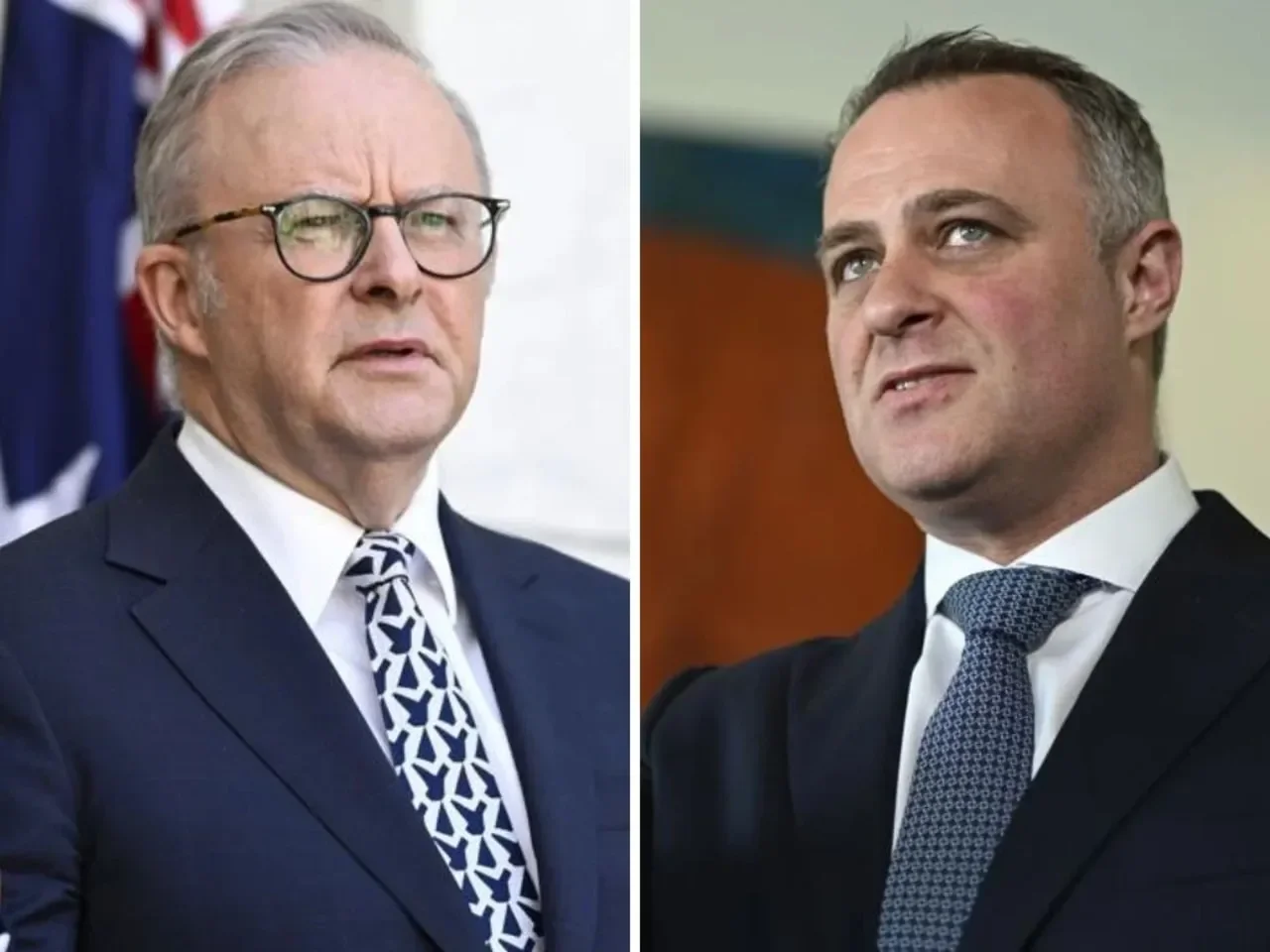
The federal government is facing intense scrutiny over recent budget tax adjustments, with Tim Wilson, the Liberal Member for Goldstein and Shadow Treasurer, accusing Prime Minister Anthony Albanese and Treasurer Jim Chalmers of "deceit and betrayal." This fallout stems from what critics describe as a repudiation of pre-election promises concerning capital gains tax (CGT) and negative gearing reforms.
Wilson's charges, detailed in statements from February and April 2026, contend that the government, after the election, pledged to implement only the tax policies presented during the campaign. However, subsequent budget discussions and statements from Chalmers appear to confirm modifications to these areas. Wilson highlighted specific assurances from both Albanese and Chalmers, suggesting these were strategically employed to secure votes, only to be later abandoned. The controversy centers on potential changes to CGT, which is levied on asset appreciation, and negative gearing, a mechanism allowing investors to offset rental losses against other income. Critics argue these policies disproportionately favor investors, exacerbating housing affordability issues for first-home buyers.
Read More: One Nation Leads Polls in Farrer Amidst Cost of Living Worries
In parallel, Australia Post has announced an increase in its fuel surcharge for parcel deliveries, adding another layer of cost-of-living pressure for consumers. This move comes as the government grapples with broader economic concerns and the fallout from its fiscal policy adjustments.
Coalition's "Intergenerational War" Allegations
The accusations from Wilson are part of a broader critique from the Coalition, which has framed the budget's approach to generational equity as an "intergenerational war." The government has signaled an intent to address disparities between younger and older Australians, with potential reforms to CGT and negative gearing frequently cited as avenues for achieving this. While careful not to preempt specific budget measures, the government has not definitively ruled out such adjustments. This strategy, according to critics, places a disproportionate burden on younger generations seeking to enter the property market, while potentially benefiting those already invested.
Read More: Thaksin Shinawatra released from detention after 8 months in Bangkok
Broader Political Landscape and Electoral Dynamics
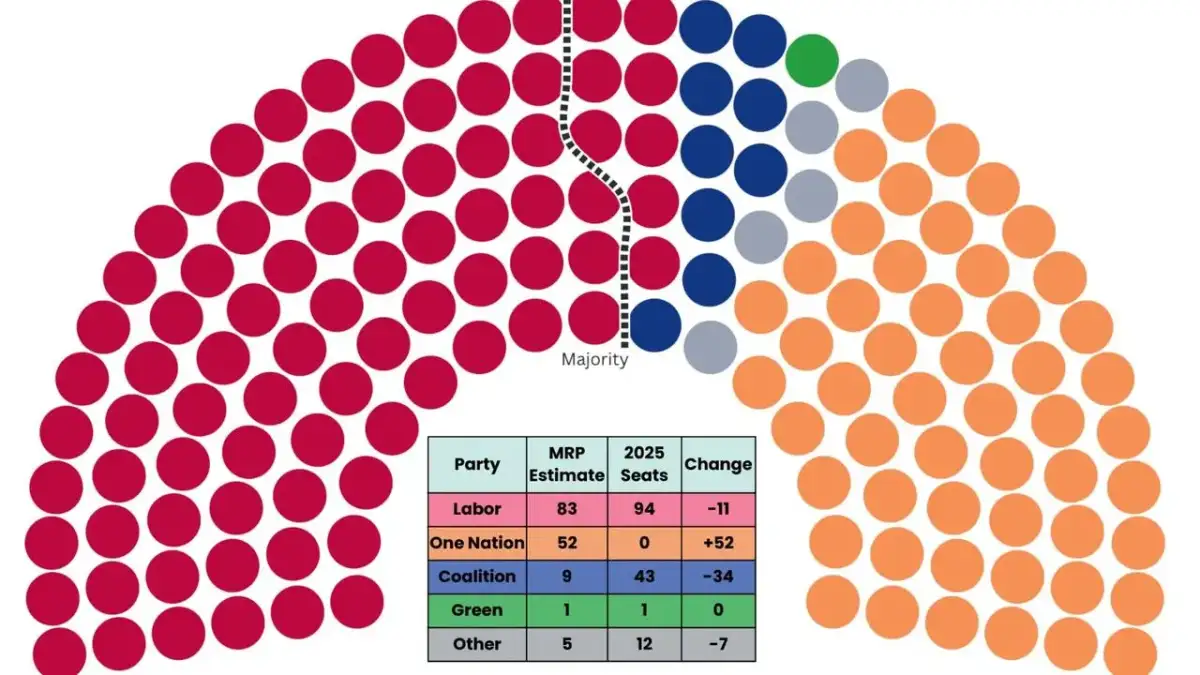
Beyond the immediate tax debate, the political arena is also marked by shifting electoral dynamics. The recent success of One Nation in the Farrer byelection, where they secured their first House of Representatives seat, has been noted. This development has led to speculation and some internal party discussions regarding potential coalition arrangements, although figures like Tim Wilson have also appeared to walk back initial openness to such partnerships.
The political discourse also touches upon other national issues. These include:
The ongoing repatriation of Australians from overseas, such as those who were on board the MV Hondius in Tenerife.
Concerns about the role and oversight of the ATO, with Tim Wilson pledging inquiries into its handling of small business debt.
The Liberal party's engagement with big business, as seen in Wilson's critique of CBA CEO Matt Comyn's stance on potential tax increases.
Regional protests, exemplified by Victorians flying flags upside down in response to perceived neglect.
Logistical challenges, such as the extended refuelling delays for Australia's Antarctic icebreaker.
The government's exploration of artificial intelligence to expedite environmental approvals for housing and energy projects.