A curious flicker has appeared on the vast, often-monolithic landscape of online secularism. Whispers, or rather, the digital equivalent – typed out with varying degrees of sincerity and irony – suggest a certain… reassessment. It seems that some who have long declared themselves unburdened by theologies are now, perhaps, contemplating the architecture of belief itself. This is not a mass exodus, mind you, but a subtle shifting of sands, a quiet reconsideration playing out in the less-trodden digital corridors.
The phenomenon, observed across various online forums, indicates a segment of individuals identifying as atheist are reportedly experiencing a period of introspective questioning regarding their established non-belief. This appears to manifest not as a rejection of atheism, but as an exploration of the underlying motivations, the historical baggage, and the cultural signifiers that once defined their previous adherence to religious frameworks, or their affirmation of atheism.
Read More: New Atheism movement splits on April 7 2026 over political views
The cultural resonance of certain internet phenomena, particularly those that played a role in the discourse surrounding atheism in earlier eras, seems to be resurfacing as a point of reference. This includes the re-examination of specific online 'memes' and the cultural archetypes they represented.
Echoes of Digital Discourse
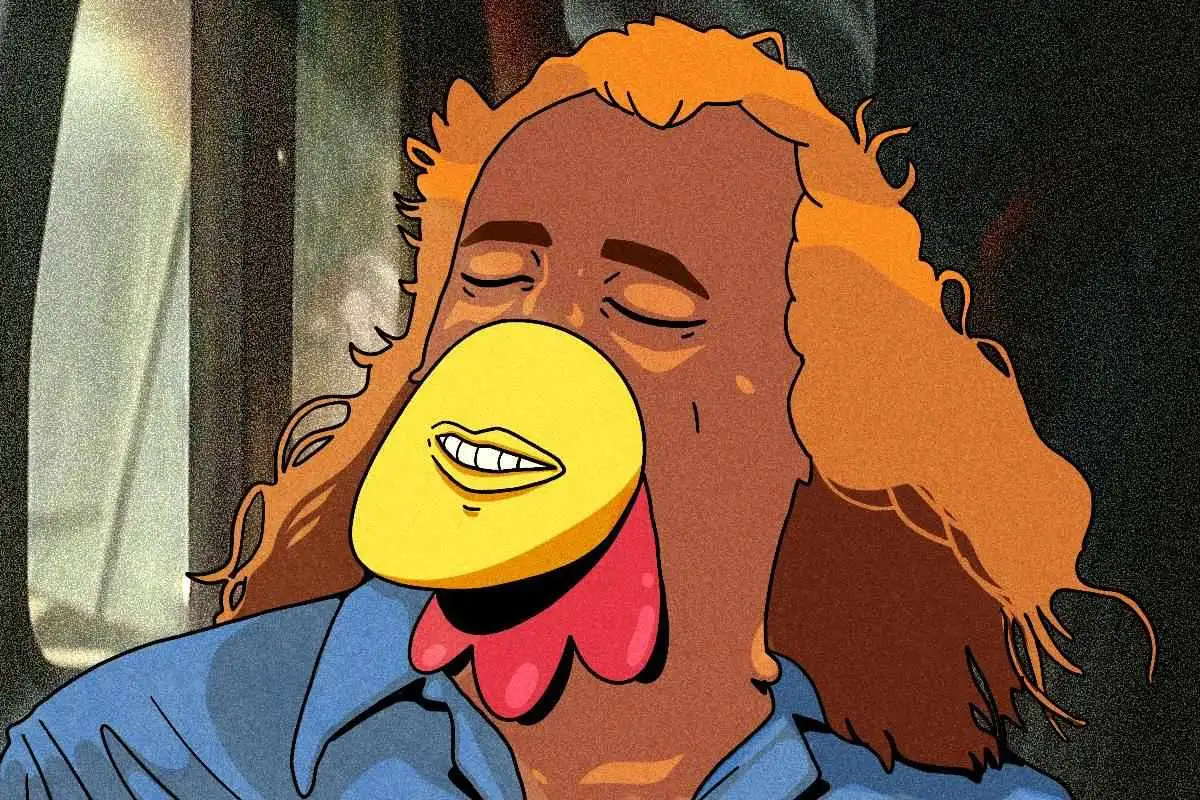
The persistent visibility of archived internet culture, such as the "I am euphoric" meme, continues to be a talking point. This particular piece of digital ephemera, once emblematic of a certain public posture within atheist communities, is now being revisited. Its continued relevance, even as a point of mild embarrassment or amusement, highlights the enduring impact of online narratives on individual identity and community perception.
The meme, often associated with a specific online persona and its perceived affectations, now serves as a touchstone for discussions about how atheism was publicly articulated and understood, particularly in the early to mid-2010s. Its "cringe masterpiece" status, as some publications have noted, underscores the evolution of online communication and the shifting sands of cultural acceptability.
Read More: Mitchell Robinson Meme: Fan Photo Causes Confusion in Game 1
The Shifting Landscape of Belief
These introspective rumblings are not confined to any single platform. They appear across diverse online spaces where individuals grapple with identity and belief. This suggests a broader, albeit fragmented, trend of individuals re-evaluating their relationship with their declared non-belief, and perhaps, with the very concept of belief itself. The significance lies not in a newfound embrace of the divine, but in the acknowledgment of the complex and often performative nature of personal convictions, particularly in the digital age.