The Race for the Wrist
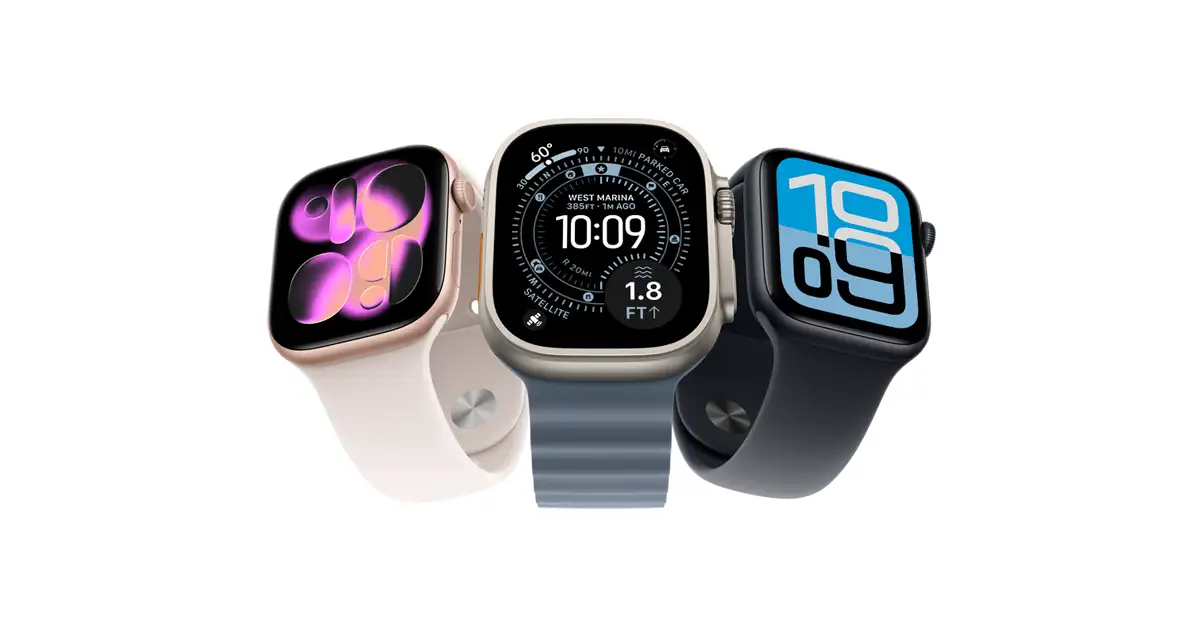
The global smartwatch market, a sprawling landscape of fitness trackers and phone extensions, sees Apple still charting the course. Their distinctive rectangular design, the Apple Watch, continues to outsell all competitors, a testament to their established presence. Yet, the circular watch face remains the preferred aesthetic for most other manufacturers, a subtle but persistent divergence in the ongoing battle for consumer attention.
The choice for consumers is far from simple. Prices and quality vary wildly across the dozens of tested devices, each promising enhanced health metrics and seamless connectivity. Whether the allure is a mere digital accessory or a dedicated sports companion, the smartwatch offers a spectrum of possibilities.
Performance Under Scrutiny
Recent testing, published May 24, 2026, delved into the practical capabilities of over 120 health and sport-focused smartwatches. The assessments zeroed in on crucial functionalities - GPS accuracy, heart rate monitoring, water resistance, and battery endurance. These are the silent arbiters of a device's worth, particularly for those who demand performance beyond casual daily use. Comfort for both athletic pursuits and everyday wear also factored into the evaluation, highlighting the dual nature of these personal technologies.
Read More: Chrome mimeHandler API lets extensions handle file types
A Crowded Field
The market presents a dizzying array of choices. Manufacturers deploy various strategies, from emphasizing advanced health sensors to integrating deeply with mobile ecosystems. However, the persistent market leadership of Apple suggests a potent combination of brand recognition and a carefully cultivated user experience, even as alternative designs proliferate. The competition remains fierce, with each new release vying for a slice of this expanding technological territory.