Stakes and Tension
The Liberal Party faces significant internal strife as Angus Taylor has resigned from his position in shadow cabinet. This move is a precursor to a direct challenge for the leadership of the party, currently held by Sussan Ley. The timing and nature of this challenge signal a period of considerable upheaval, with implications for the party's direction and its ability to form a strong opposition. Questions linger about Taylor's motivations and the actual level of support he commands.

Context of the Challenge
Angus Taylor, the former shadow minister for defence, announced his resignation from shadow cabinet on Wednesday evening. This action directly precedes an expected bid to unseat Sussan Ley, who became the first female federal leader of the Liberal Party just nine months prior.
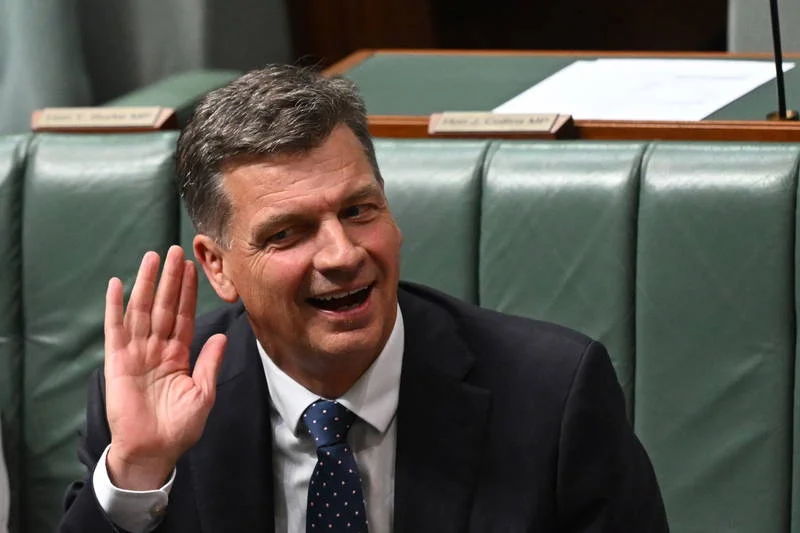
Taylor's Departure: Taylor officially informed Ley of his decision, stating he could "no longer support her leadership." Prior to this, he had attended shadow cabinet meetings and continued his duties.
Party Rules: Under Liberal Party conventions, a formal leadership challenge requires at least two MPs to request a special party room meeting. Taylor's resignation is seen as the first step in this process, though he has not yet formally called for a spill or declared his candidacy.
Previous Contest: This is not the first time Taylor and Ley have been rivals for the leadership. Ley narrowly defeated Taylor in a previous ballot following a significant election defeat.
Internal Discontent: Sources indicate that Taylor's move stems from a belief that the Liberal Party is in a "dire state" and failing to provide effective opposition to the governing Labor Party. Frustration, particularly within conservative factions, is cited as a driving factor.
Evidence of the Leadership Bid
Multiple reports confirm Angus Taylor's resignation from the Liberal frontbench, framing it as a deliberate step towards a leadership challenge.
Read More: MDMK Wants More Seats to Get Official Recognition
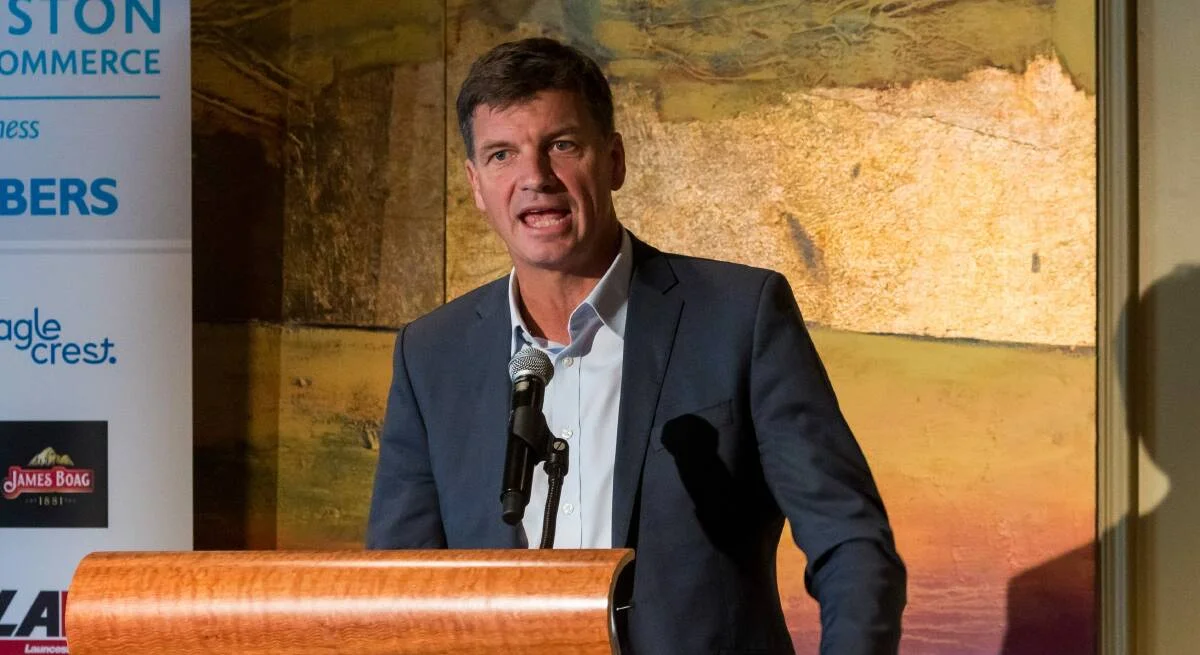
Taylor's Statement: In a statement, Taylor conveyed that restoring confidence in the Liberal Party necessitates "strong leadership, clear direction and a sharp focus on its core values." He also described his decision as "difficult."
Ley's Confirmation: Sussan Ley acknowledged receiving Taylor's resignation. However, she noted that he had not formally requested a leadership spill or declared himself a candidate during their meeting.
Public Declarations: Taylor's supporters suggest he believes he has the necessary numbers to win a leadership vote, though this remains unconfirmed. Critics, conversely, point to the party's poor polling and lack of clear direction as reasons for inevitable change.
Taylor's Stated Rationale
Angus Taylor has articulated a belief that the Liberal Party is not in an optimal position.
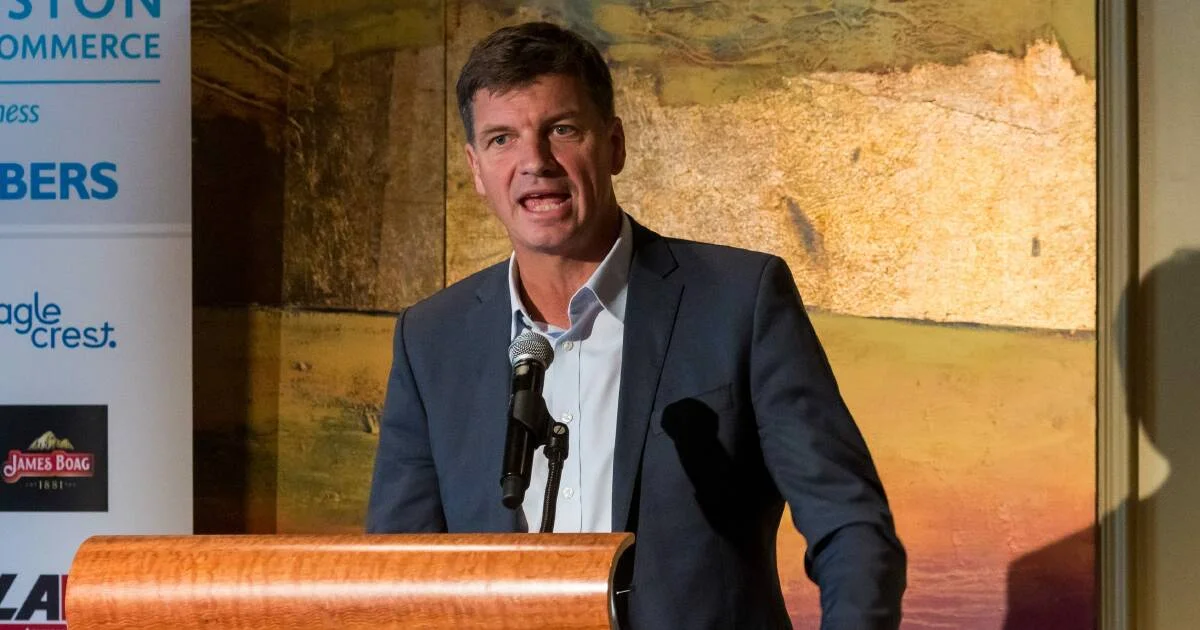
Party's State: Taylor has publicly stated that his party is in a "dire state."
Leadership Necessity: He contends that the restoration of confidence requires strong leadership and a clear focus on core values.
Opposition Effectiveness: Comments from Taylor and his supporters suggest a frustration with the party's current ability to act as a robust opposition.
Ley's Position and Support
Sussan Ley, as the current leader, has confirmed Taylor's resignation and remains in her position pending any formal challenge.
Read More: Protests in Melbourne During Israeli President's Visit
Leadership Tenure: Ley has led the Liberal Party federally for nine months.
Meeting with Taylor: Ley met with Taylor on Wednesday evening, at which point he tendered his resignation. She stated that he did not formally call for a leadership spill at this meeting.
Factions and Support: Reports indicate that Taylor's supporters believe he has the numbers to win. However, Tim Wilson, a shadow cabinet member, stated he had not been approached for his vote. Senator David Van, a moderate, previously supported Ley in a past ballot, which reportedly caused friction with his faction.
The Mechanics of a Challenge
The process for a leadership challenge within the Liberal Party involves specific procedural steps.
Request for Meeting: Under party conventions, two or more Liberal MPs must formally request a special party room meeting.
Spill Motion: At this meeting, a motion to spill the leadership can be considered.
Open Campaigning: Taylor's resignation frees him to openly campaign for votes among his colleagues.
Timing: Insiders anticipate that a party room meeting to discuss leadership could occur within days, potentially on Thursday or Friday.
Expert and Political Commentary
Reactions from across the political spectrum highlight the significance of Taylor's move.
Read More: Gen Z's Big Test: Can Young Voters Change Bangladesh?
Labor Criticism: Defence Minister Richard Marles reportedly stated that Taylor had achieved "nothing" in his role as opposition defence spokesman. Labor ministers also "lined up to savage Taylor in question time."
Internal Backing: Taylor's supporters are confident in his ability to secure enough votes to challenge Ley.
Calls for Change: Critics within Ley's own party express concern over the party's "lack of clear direction and poor polling against Labor," suggesting that change may be unavoidable.
Conclusion and Implications
Angus Taylor's resignation from the Liberal shadow cabinet is a direct and deliberate action designed to instigate a leadership challenge against Sussan Ley. This manoeuvre plunges the opposition into internal turmoil and signals a potential shift in the party's direction.
Catalyst for Change: The resignation serves as a clear indication of Taylor's dissatisfaction with the current leadership and the party's standing.
Procedural Next Steps: The formalisation of the challenge hinges on whether Taylor can gather sufficient support to trigger a party room meeting and a spill motion.
Party Direction: The outcome of any potential leadership contest will have significant implications for the Liberal Party's strategy, messaging, and its effectiveness as an opposition. The party is perceived by some to be in a weak position, and this internal conflict could exacerbate those challenges.
Sources Used:
News.com.au: https://www.news.com.au/national/politics/angus-taylor-launches-longawaited-liberal-leadership-challenge-against-sussan-ley/news-story/649fc6b857cbe9674b378ca968a5dc1c (Published 9 hours ago) - Reports on Taylor launching a challenge and his assessment of the party's state.
The Guardian: https://www.theguardian.com/australia-news/2026/feb/11/angus-taylor-sussan-ley-liberal-leadership (Published 1 hour ago) - Details Taylor's resignation as the first step in a bid to depose Ley and notes his prior attendance at meetings.
7NEWS: https://7news.com.au/news/angus-taylor-quits-liberal-party-frontbench-in-sign-of-looming-leadership-challenge-c-21606443 (Published 9 hours ago) - Covers Taylor quitting the frontbench and his belief he has the numbers.
ABC News: https://www.abc.net.au/news/2026-02-11/federal-politics-estimates-albanese-ley-herzog/106328310 (Published 9 hours ago) - Focuses on Taylor's resignation from shadow frontbench and his assertion that Ley is not the right leader.
The Sydney Morning Herald (SMH): https://www.smh.com.au/politics/federal/angus-taylor-resigns-from-liberal-frontbench-to-set-up-leadership-challenge-20260210-p5o0wz.html (Published 9 hours ago) - Reports Taylor quitting frontbench to set up a challenge and his meeting with Ley.
The Land: https://www.theland.com.au/story/9173328/angus-taylor-quits-shadow-cabinet-for-leadership-bid/ (Published 9 hours ago) - Confirms Taylor quit shadow cabinet and declared he will challenge Ley, noting uncertainty about numbers.
Procapitas: https://www.procapitas.com/news/world/angus-taylor-resigns-from-shadow-cabinet-ahead-of-leadership-challenge-in-liberal-party (Published 9 hours ago) - Discusses the resignation as clearing the path for a challenge and growing frustration among conservatives.
Read More: Many Protests Happen in Australian Cities