

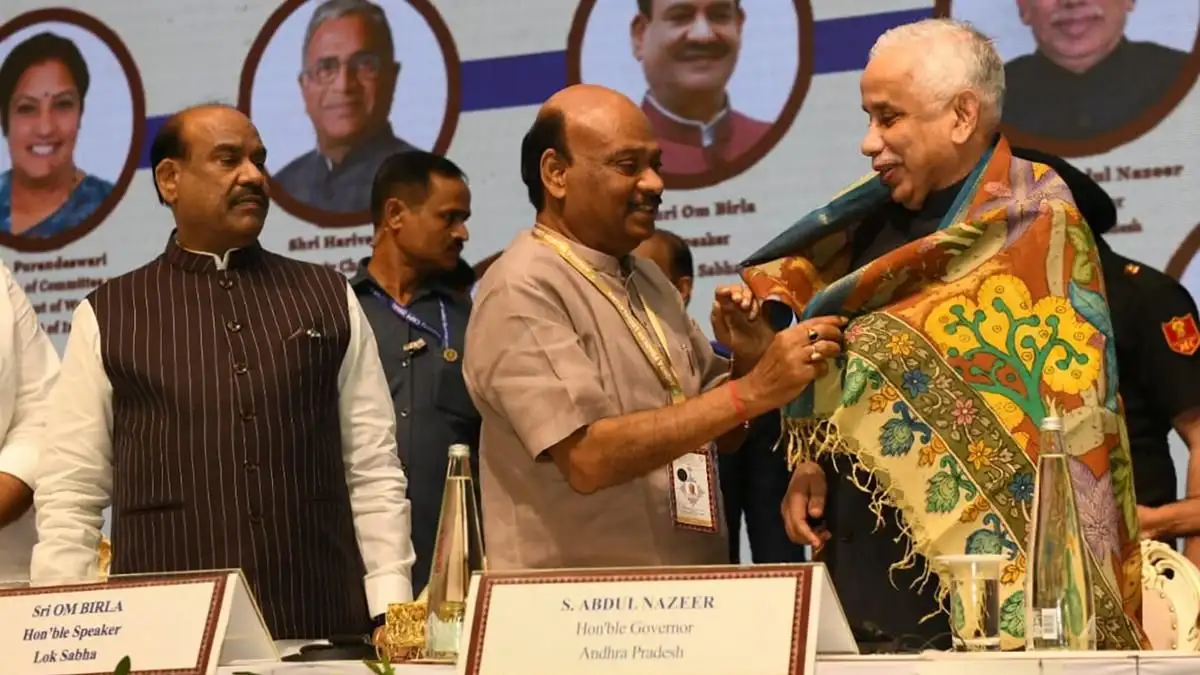
Andhra Pradesh state officials have solidified a singular narrative across several months of public ritual: the schoolroom is the primary tool for shifting social power. At the 22nd convocation of Sri Padmavati Mahila Visvavidyalayam (SPMVV), Governor Syed Abdul Nazeer processed degrees for 2,591 women.
This output included 121 PhD researchers, 99 gold medalists, and two silver medalists.
The Governor framed these academic credentials not merely as personal gains but as fuel for a society he describes as needing "unshackling."
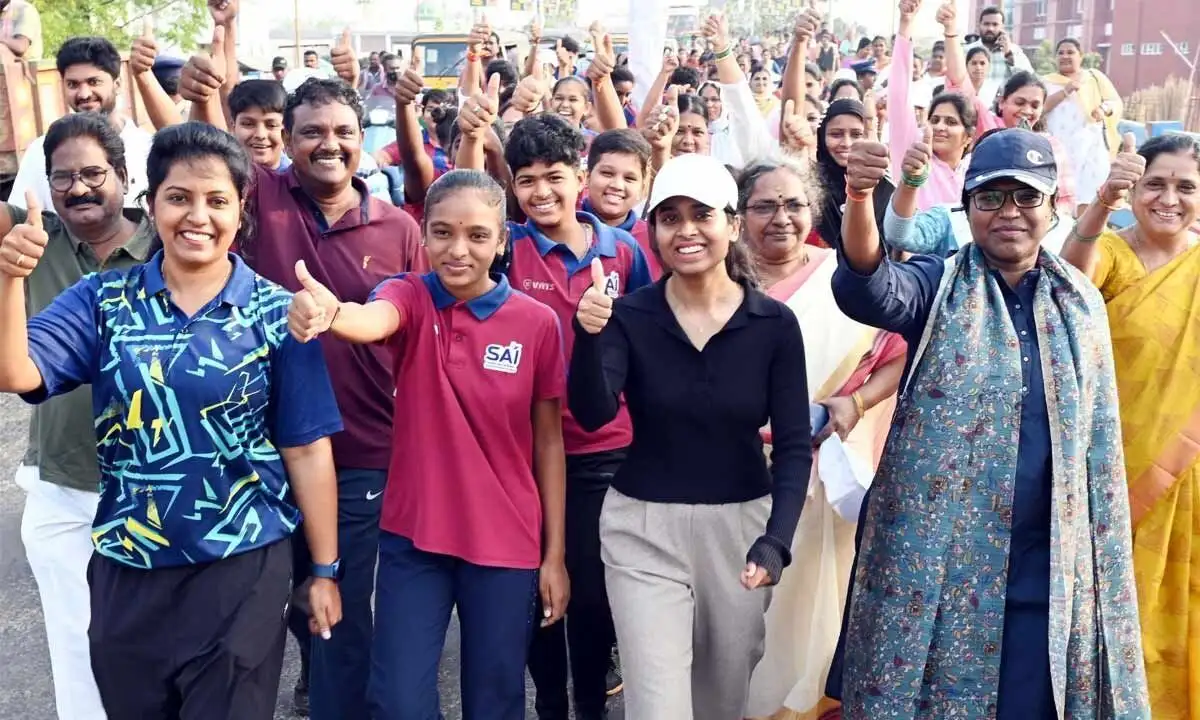
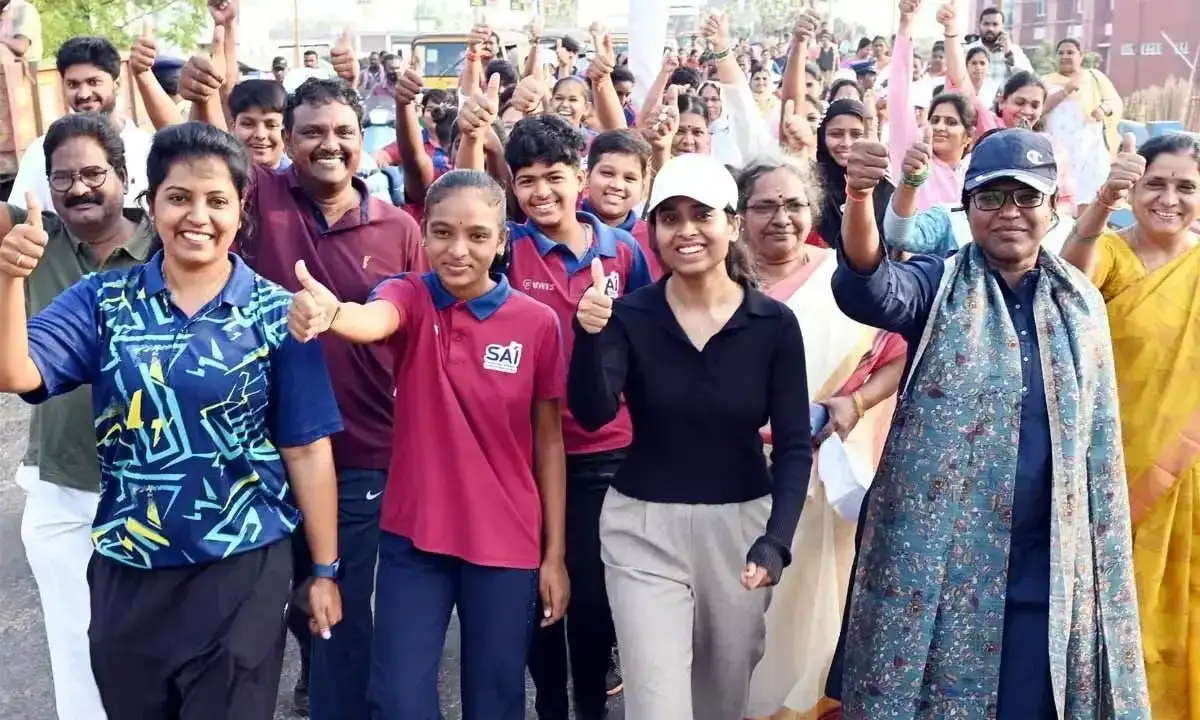
While the Governor talks of high-level democracy, the ground-level machinery focuses on physical movement and digital tracking. In Eluru, Collector K Vetri Selvi utilized a 2K Marathon to mark International Women's Day, pushing for "full cooperation" from a society that still requires a week of organized programs to recognize basic rights.
The Infrastructure of Safety
The state's push for "empowerment" is increasingly tied to defensive technology and institutional policing. Rayapati Sailaja, Chairperson of the Andhra Pradesh Women’s Commission, has moved the conversation from the classroom to the workplace and the smartphone.
Read More: Google Learn About AI Tool Released April 2026 For Simple Learning

"Safety, education and empowerment… must be a collective responsibility of families and society." — Rayapati Sailaja
| Mechanism | Targeted Action | Intent |
|---|---|---|
| Internal Complaint Committees | Institutional mandates | Prevent workplace harassment |
| Shakti App | Digital installation | Immediate reporting of domestic violence |
| 2K Marathon | Physical public gathering | Symbolic visibility in Eluru |
| SPMVV Convocation | Credentialing 2,591 women | Mainstreaming into the labor force |
The Commission has identified cinema as a specific friction point, with Sailaja warning that "certain films" have a negative impact on youth. This suggests the state views the cultural environment as a competitor to its educational goals, necessitating early intervention from parents to counter commercial media.
Historical Justification vs. Modern Rankings
Governor Nazeer has reached back to the Vedic period to find a precedent for gender equality, attempting to paint modern "empowerment" as a return to form rather than a new invention. However, the political reality is more transactional. At a national conference on legislative committees, Raghu Ramakrishna Raju pointed to the global rankings where India’s standing remains a point of friction for the administration.
The Governor links women’s participation to the survival of "inclusive democracy."
He cites the abolition of the Dasi system and current Parliamentary reservations as the timeline of progress.
The narrative oscillates between glorifying "ancient India" and managing the current crisis of safety via the Shakti App.
This state-led movement presents education as a fix-all, yet the simultaneous focus on internal committees and "film influence" indicates a belief that the classroom alone cannot hold against wider social pressures. The rhetoric is heavy on "dreams" and "promises," but the actual tools being handed out are legal mandates, PhDs, and mobile applications.
Read More: Andhra University Adds More Seats for B.Tech Courses


