Across the bureaucratic hubs of Cyberabad and Malkajgiri, police administrations have marked International Women’s Day with a series of public displays focused on the physical health and professional rank of female officers. In Andhra Pradesh, DGP Harish Gupta reported that a "Women Empowerment Week" ending March 7 saw 26,512 women and girls attend 587 medical camps organized by the state. These events, though dressed in the language of progress, highlight a stubborn reality: the integration of women into policing remains a project of resilience rather than a completed shift in power.
Statistics of the Uniform
| Region | Event Focus | Scale/Participation |
|---|---|---|
| Andhra Pradesh | Medical camps & flash mobs | 26,512 participants; 587 camps |
| Cyberabad | Leadership & Health | Commisionerate-level honors |
| West Midlands (UK) | Sikh representation & History | Full-day speaker series at Tally Ho |
| Global (IAWP) | Capacity building | International networking |
"Achieving gender equality in policing is not simply about adding more women… female law enforcement officers face challenges ranging from opportunities to reach leadership positions to cultural biases and gender stereotypes." — INTERPOL
The core tension remains the gap between symbolic honoring and the lived friction of a male-dominated hierarchy. While Andhra Pradesh police utilized flash mobs and safety videos to bridge the gap with the public, international bodies like the IAWP and INTERPOL admit that cultural bias and structural barriers still prevent women from holding genuine decision-making weight.
Read More: US Beach Closures July 2026 Due to High Bacteria Levels
Personal Costs and Local Friction
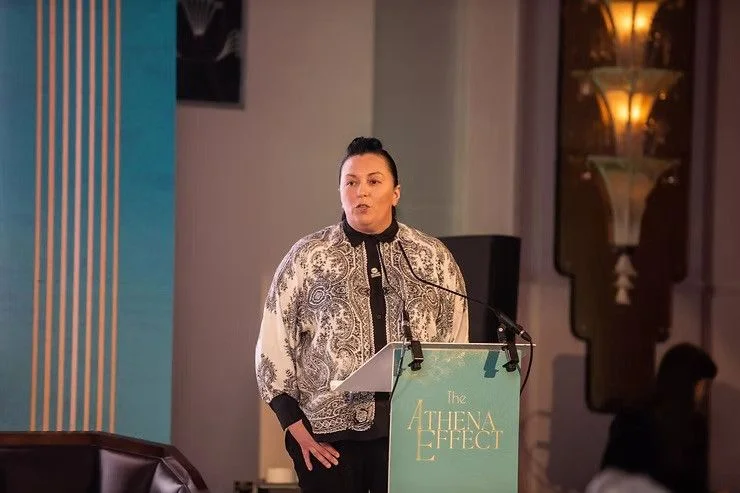
In the West Midlands, the Sikh Police Association staged discussions on the irregular journeys of officers like Sarbjit Kaur, focusing on the intersection of faith and the badge. Meanwhile, individual narratives of survival, such as officer Emma Arthurs’ fight with breast cancer, underscore that the "health" focus of these summits is not just policy—it is a raw necessity for women working within high-stress law enforcement frameworks.
Mentoring gaps persist despite global calls for more diverse future generations of police leaders.
Health screenings serve as the primary olive branch from the state to its female citizens and staff.
Safety videos and public exhibitions attempt to rebrand the police image as a protective, rather than purely coercive, force.
Background: The Long Arc of the Badge
The move toward including women in global policing is an old, slow story. Organizations like the International Association of Women Police (IAWP) have long pushed for forces that reflect the communities they police, yet policing insight analysis suggests that 12 critical areas—including poverty and violence—remain largely unchanged for the "girl-child" and the woman officer alike. The rituals of March 8 serve as a yearly audit of how much, or how little, the stiff culture of the precinct has softened to let others in.
Read More: FBI Analysts Review Georgia 2020 Election Data in Fulton County