


The state government of Andhra Pradesh is actively promoting the establishment of electronic manufacturing clusters, with a stated aim of positioning the region as a significant hub for electronics production. Several key figures, including IT and Electronics Minister Nara Lokesh, have articulated this ambition, highlighting ongoing initiatives and identifying specific locations for these industrial zones.

The strategy appears centered on creating a robust electronics manufacturing ecosystem through a cluster-based approach, attracting both major international firms and their associated vendors, alongside a significant state-level financial incentive program.

New Facilities and Investments
The promotion of these manufacturing clusters is evidenced by concrete developments. LG Electronics has laid the foundation stone for a substantial facility at Sri City near Tirupati, a project involving an investment of Rs 5,001 crore. This development is expected to draw in key vendor partners, with companies like Ecoria, Kuroda Electric, Heng Sung India, Kyungsung Precision, and Taesung Electronics collectively investing an additional Rs 839 crore. These investments are projected to create approximately 690 new jobs.
Read More: BP Appoints New Boss Meg O’Neill for £11.7m Amid Falling Profits
Other established companies such as Daikin and Blue Star have also reportedly set up units within the state.
Minister Nara Lokesh has stated that the sizes of these electronic manufacturing clusters have been adjusted based on feedback.
The state aims to deepen domestic value addition through a combination of capital expenditure support and turnover-based incentives, complementing central government policies.
Government Support and Incentives
The Andhra Pradesh government is implementing policies designed to encourage investment in the electronics sector. A scheme is in place where the government will fund 50% of the capital expenditure for electronics component makers.
This policy also includes turnover-linked incentives, designed to double the incentives offered by the central government for electronics component manufacturing.
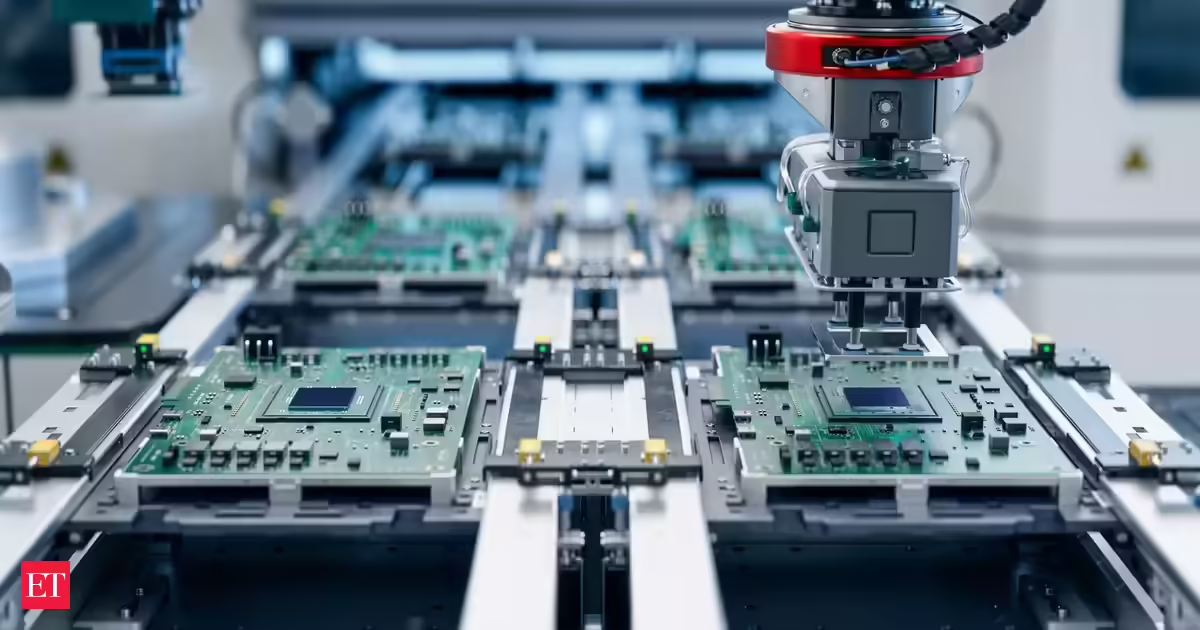
The broader objective is to foster hubs for manufacturing components such as PCBs, display and camera modules, electromechanic components, and passive components.
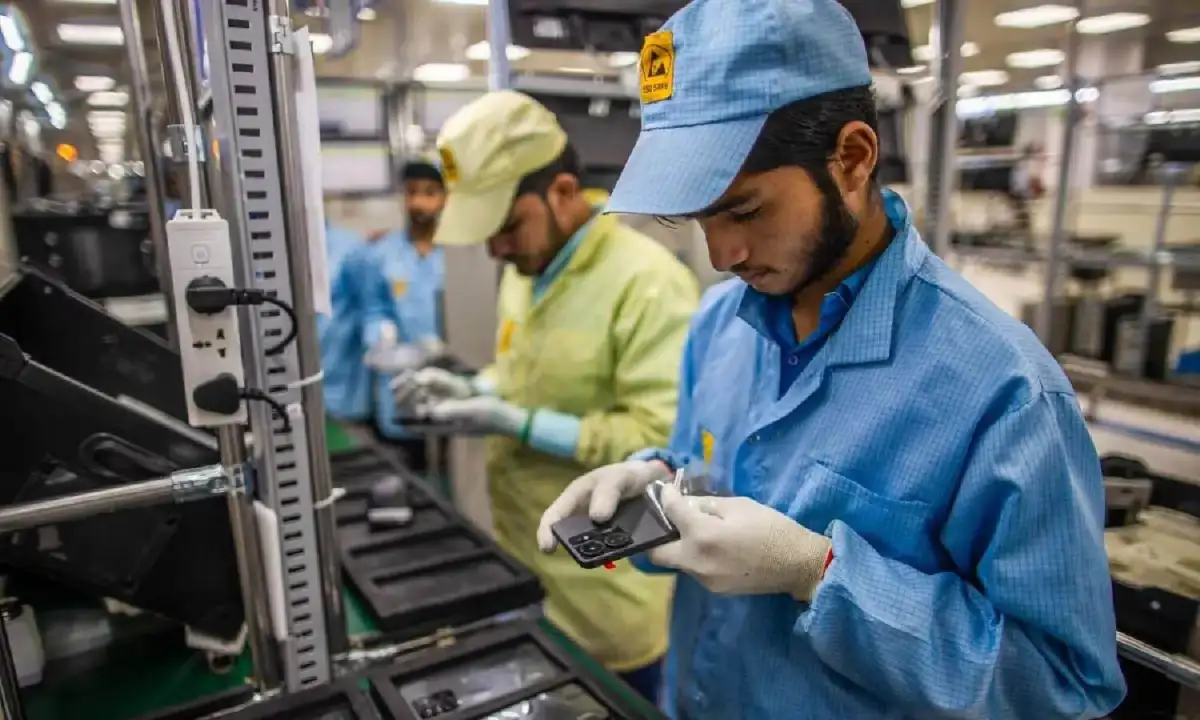
The government is also conducting regular job fairs, with initiatives to link Industrial Training Institutes (ITIs) directly to manufacturing units, providing curriculum and equipment support.
Identified Clusters and Future Prospects
Specific regions have been designated as ideal locations for these manufacturing hubs. Sri City, Hindupur, and Kopparthy are among the identified areas. The government has also indicated the identification of 22 clusters for industrial growth as part of a promise to provide employment.
The Rayalaseema region, particularly its southern part, is slated to host a significant portion of these electronic units.
The state government has also emphasized Visakhapatnam, Amaravati, and Tirupati as destinations for the IT sector.
The vision includes fostering entrepreneurship, with initiatives like 'One Family, One Entrepreneur' being reiterated.
Background Context
The push for electronics manufacturing in Andhra Pradesh is framed within a larger national ambition to become a global manufacturing hub. Minister Nara Lokesh has repeatedly emphasized the job creation and youth empowerment aspects of these industrial developments. He has also noted the existence of three existing electronic manufacturing clusters in the state and mentioned that an organization named ASIP in Visakhapatnam has been allocated land. The narrative surrounding these initiatives often invokes the idea of a "double-engine" government at the state and central levels, suggesting coordinated efforts for investment and ecosystem development. The state's IT secretary, K Bhaskar, has been involved in roadshows aimed at attracting investments, highlighting available incentives and the presence of a skilled workforce, with ongoing programs to enhance professionalism for industry needs.
Read More: Dropbox uses AI to make searching files faster for companies