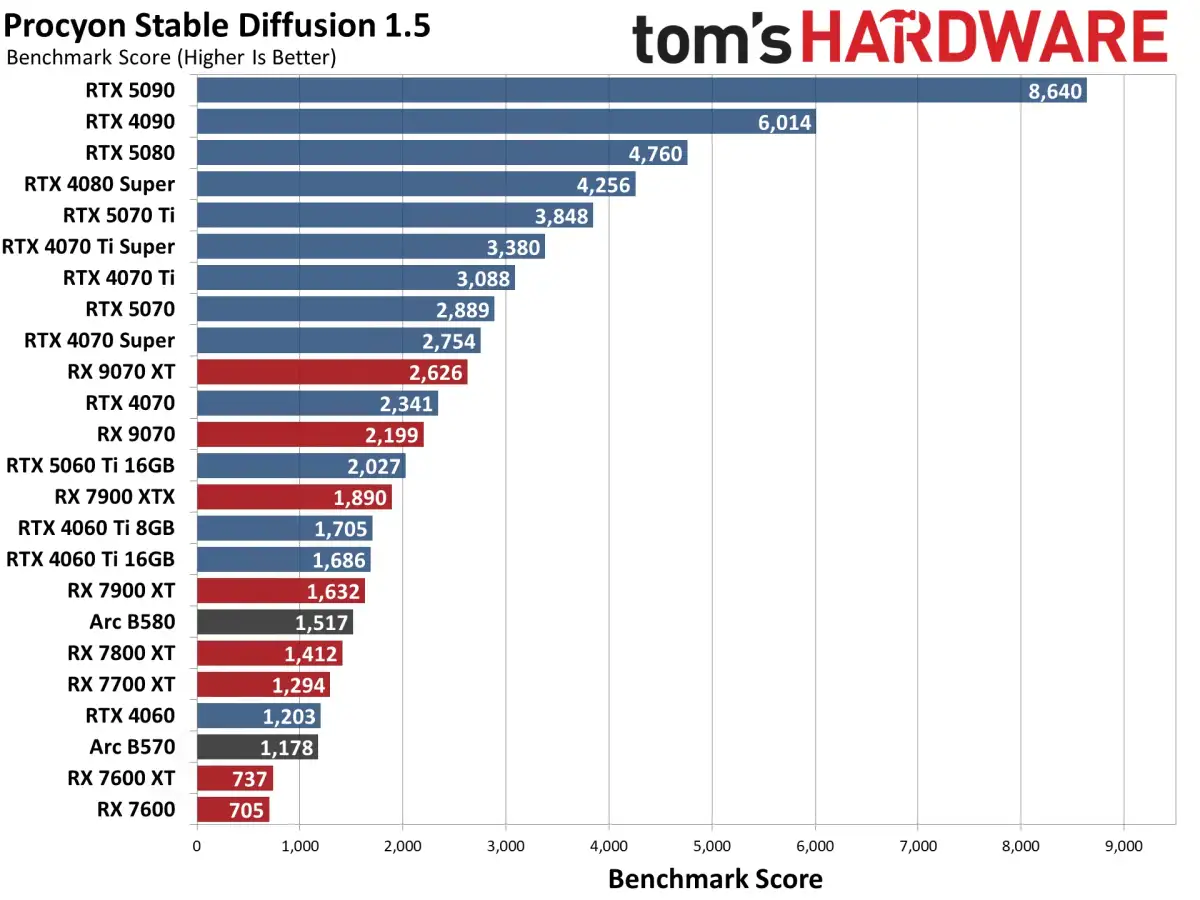
Graphics card choices in mid-2026 present a complex interplay of raw power, memory capacity, and emerging technologies, particularly as manufacturers push advancements in ray tracing and upscaling. For those navigating the "budget" segment, which loosely encompasses cards capable of solid 1080p performance and even some 1440p capabilities, the landscape reveals distinct advantages and compromises between AMD and Nvidia.
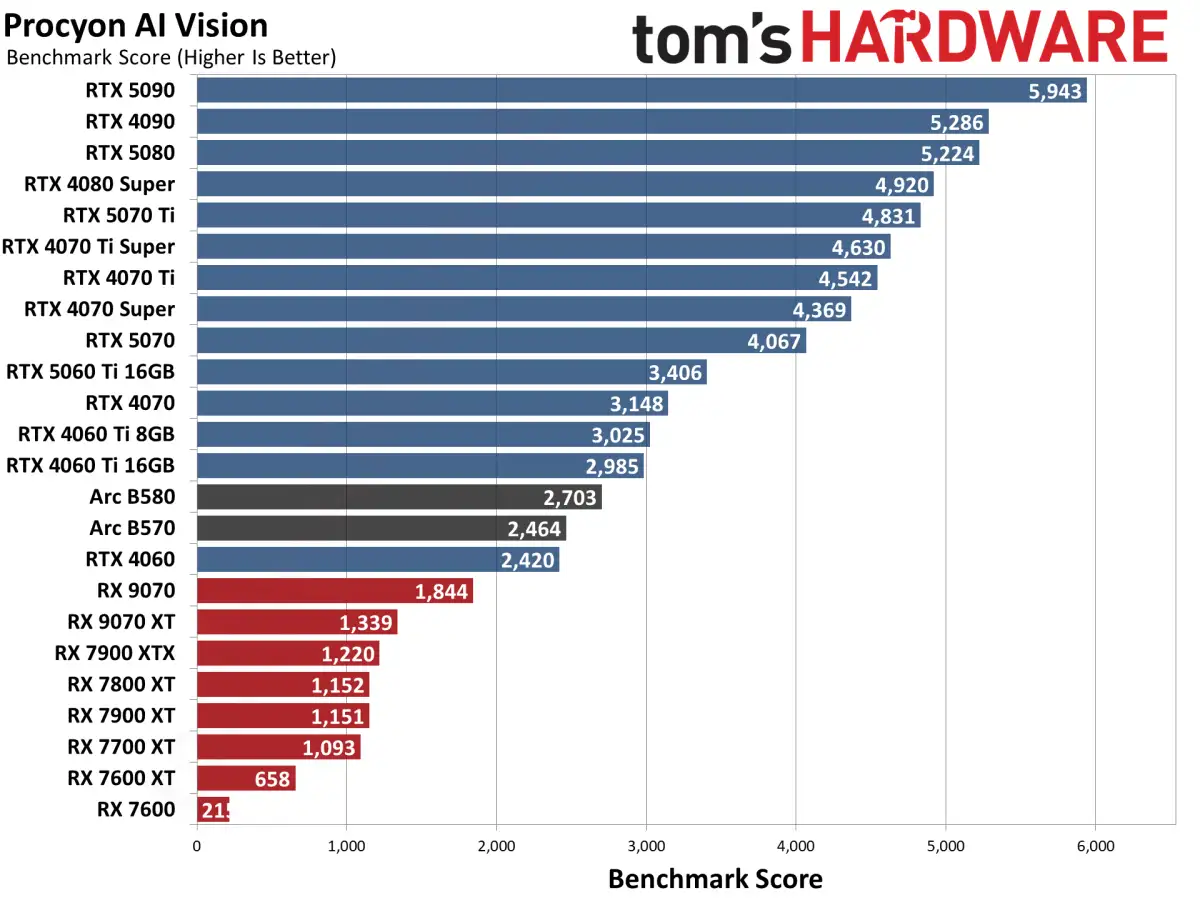
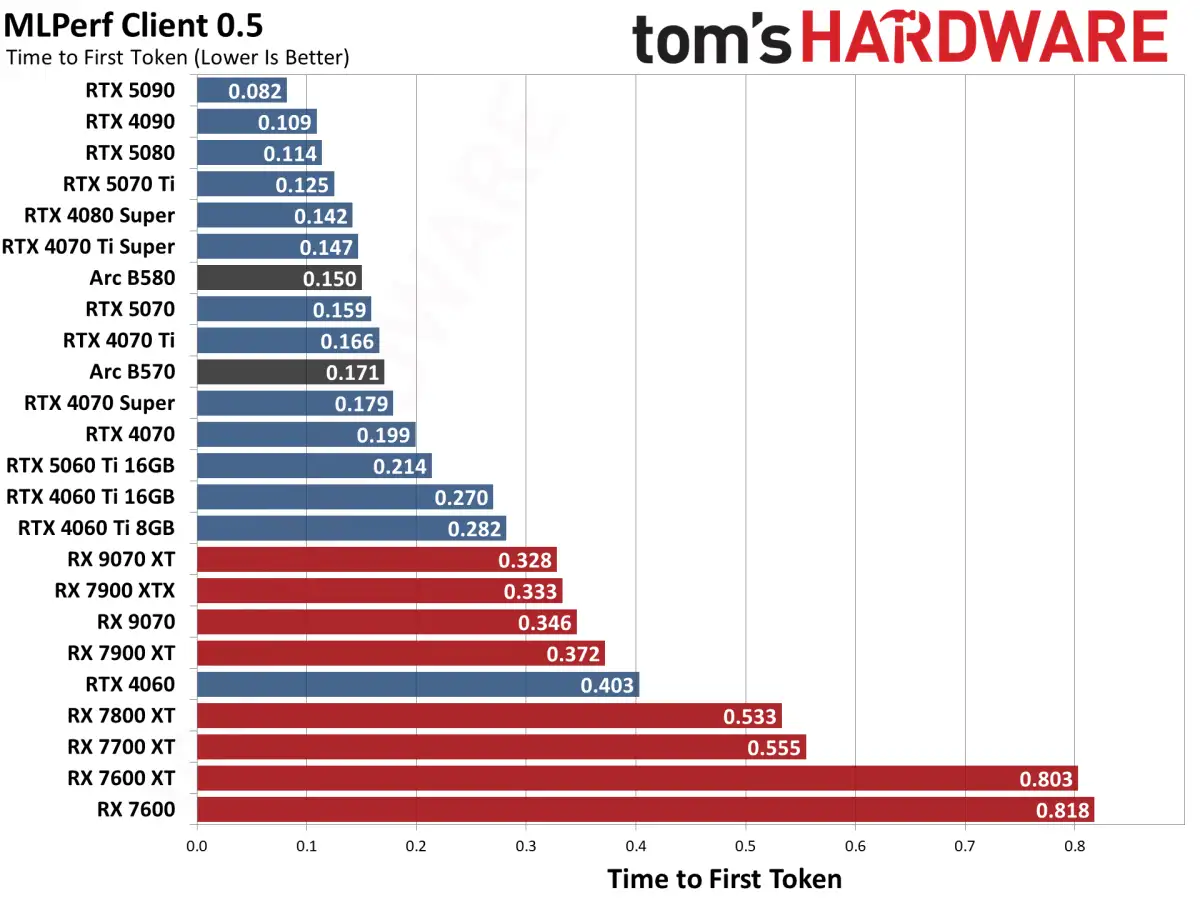
AMD's Radeon RX 9060 XT 16GB emerges as a standout for value, particularly for users prioritizing VRAM without a prohibitive price tag. Its $349 MSRP, often found under $450, offers a substantial 16GB of GDDR6 memory, crucial for handling modern titles and higher resolutions without stuttering. This card consistently shows strong performance in 1080p gaming, with benchmarks indicating an average of 73 FPS and 1% lows around 37 FPS, and scales reasonably well to 1440p with an average of 48 FPS.
Read More: Chrome mimeHandler API lets extensions handle file types
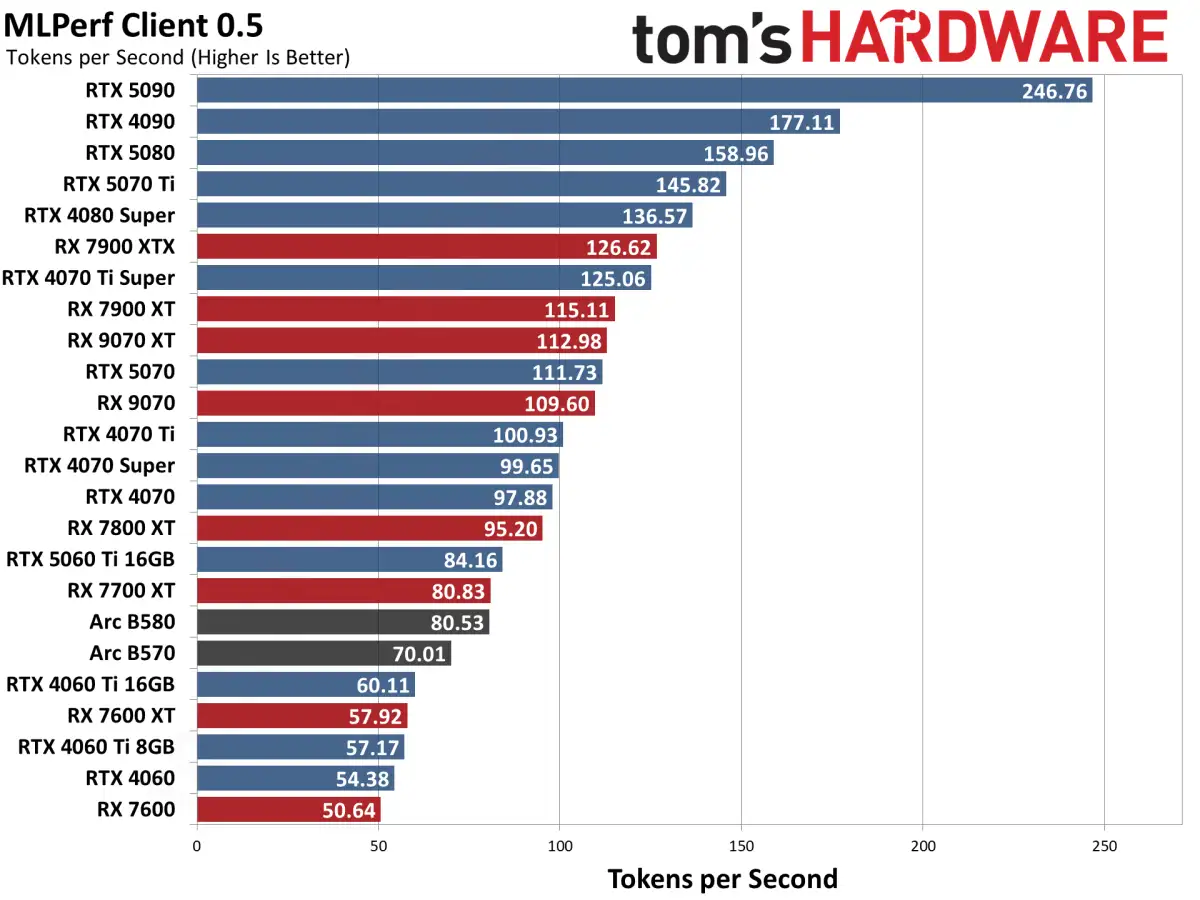
Nvidia, meanwhile, fields contenders like the RTX 5060 Ti series. The RTX 5060 Ti 16GB, while performing admirably at 1080p (around 75 FPS average), comes with a higher anticipated price point, potentially nearing $500-$550. A significant differentiator for Nvidia remains its DLSS technology, which is exclusive to its GeForce RTX cards, offering a distinct advantage in compatible games through advanced upscaling and AI frame generation. For users keen on leveraging these specific Nvidia features, the higher cost may be justifiable.
Budget Performance: A Tiered Approach
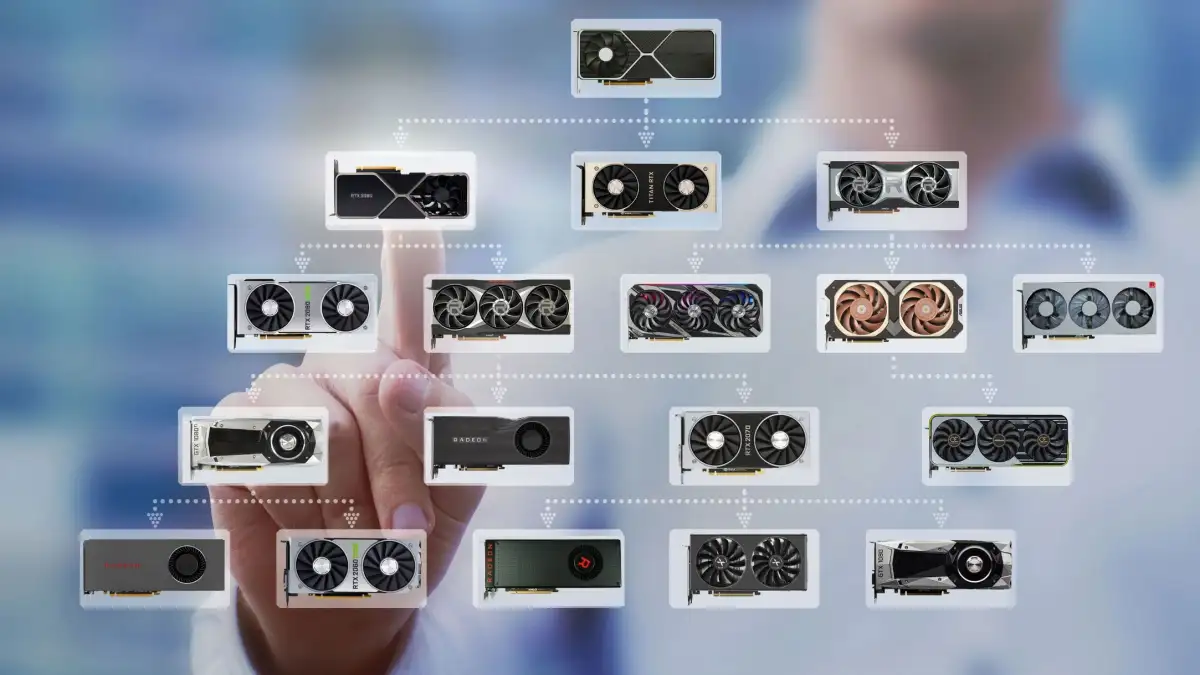
The concept of a "budget" GPU is fluid, often tied to the target resolution. For consistent 1080p gaming at 60Hz, cards in the C or B tier are generally sufficient. As demands increase to 1440p or 4K, the requirements escalate significantly.
1080p Focus: Cards like the Gigabyte Radeon RX 7600 XT Gaming OC, featuring Navi 33 architecture with 2,048 Stream Processors and 16GB GDDR6, offer a dedicated option for this resolution, boasting 288.0 GB/s bandwidth.
1440p and Beyond: To tackle 1440p or 4K gaming effectively, the RTX 50 series from Nvidia, or higher-end AMD offerings like the RX 9070, become more relevant. The ASUS TUF Gaming RTX 4070 Super, with its 7,168 CUDA cores and 12GB GDDR6X, is cited as a viable option for 4K gaming.
AMD vs. Nvidia: Core Differences
Beyond raw specifications, the rivalry between AMD and Nvidia extends to software and feature sets. AMD has historically been praised for its better software integration and stronger Linux support. Nvidia, conversely, relies on a suite of applications like the Nvidia Control Panel and GeForce Experience, and its proprietary DLSS technology is a key selling point for performance enhancement through AI.
Read More: Street Fighter 6 Year 4 Pass adds Tifa and 3 new fighters in 2026
The performance delta, especially with ray tracing enabled, often favors Nvidia. While AMD's recent architecture updates, like those in RDNA 4, improve its ray tracing capabilities, Nvidia cards frequently demonstrate superior performance in this demanding area. For example, the RX 9070 is noted for being a capable all-rounder, but cards like the RTX 5070 Ti or RTX 5080 are positioned for top-tier ray tracing experiences.
Evolving Hardware and Specifications
The technical underpinnings of current GPUs reveal a significant leap in memory technology and processing cores. New architectures like Nvidia's GB20x series and AMD's Navi 4x are becoming prominent.
| GPU Series | Shaders/Cores | Clock Speeds (MHz) | VRAM (GB) | Memory Type | Memory Bus (bits) | Bandwidth (GB/s) | TDP (W) |
|---|---|---|---|---|---|---|---|
| Nvidia GB202 | 21,760 | 2407 | 32 | GDDR7 @ 28Gbps | N/A | 1792 | 575 |
| Nvidia AD102 | 16,384 | 2520 | 24 | GDDR6X @ 21Gbps | N/A | 1008 | 450 |
| AMD Navi 48 | 4,096 | 2970 | 16 | GDDR6 @ 20Gbps | 256 | 640 | 304 |
| AMD Navi 33 | 2,048 | 2755 | 16 | GDDR6 @ 18Gbps | 128 | 288 | 190 |
| Nvidia GB205 | 6,144 | 2512 | 12 | GDDR7 @ 28Gbps | N/A | 672 | 250 |
This table illustrates a sample of specifications, highlighting the diversity in architecture, memory configurations, and power demands across different tiers.
Read More: BEREC Asks for Mobile Network API Ideas from Developers
The pricing trends, tracked closely in mid-2026, indicate a dynamic market. While MSRPs for cards like the RTX 5080 are listed at $1,290, actual street prices can fluctuate, with retailers like Best Buy and Newegg showing varying figures. Similarly, AMD's RX 9070 XT has an MSRP around $700, but market availability influences its actual cost. The secondhand market for older generations, such as the Radeon RX 6000 series, offers a more affordable entry point, with cards like the RX 6600 priced under $130, though these lack the advanced features of newer hardware.





/content/opengraph/MTG-Top-10-Best-Commander-Cards-From-Magic-The-Gathering-Marvel-Super-Heroes-MSC-MSH.png)