


Alibaba has launched a significant new artificial intelligence data center utilizing 10,000 proprietary AI chips, marking a major step in China's push for technological self-sufficiency in the critical AI sector. This deployment, a collaboration with China Telecom, uses Alibaba's Zhenwu semiconductors, engineered for both AI model training and inference. The facility represents the largest installation of domestically produced AI accelerators in China, a move spurred by ongoing US export restrictions on advanced semiconductor technology.

The initiative positions Alibaba as a key player in challenging the global dominance of companies like Nvidia, whose chips have been increasingly inaccessible in the Chinese market since 2022. The data center's architecture is designed to allow all 10,000 chips to operate as a single, powerful supercomputing unit. Expansion plans are already in motion, with intentions to scale the cluster to 100,000 chips over time.
Read More: Budget Phones Now Have High-End Features for Less Money

The sheer scale of this deployment signifies a fundamental shift from China's prior reliance on foreign chip suppliers to a strategy of vertical integration in AI infrastructure. This move not only bolsters Alibaba's own cloud and AI capabilities but also reflects a broader national objective to secure domestic control over essential AI hardware. The development follows closely behind a similar 10,000-chip cluster utilizing Huawei's Ascend 910C processors, which became operational in Shenzhen last month.
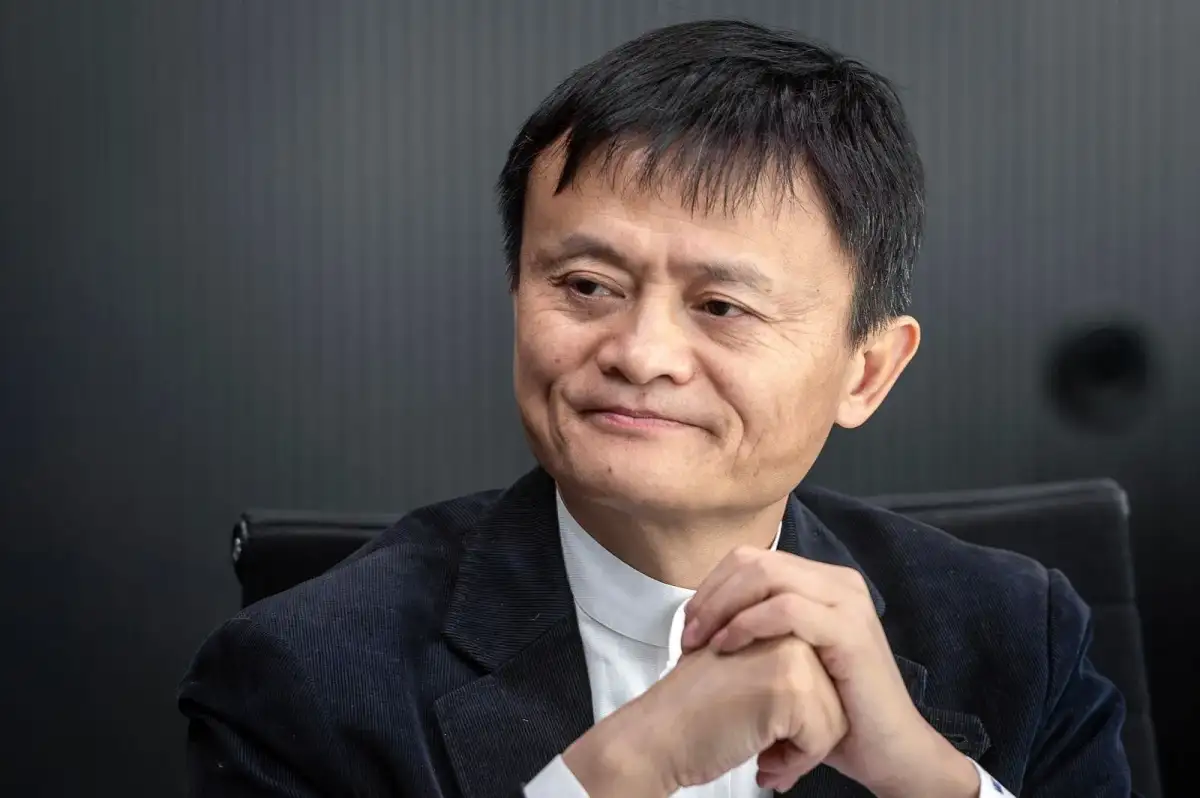
Operational Independence and Market Implications
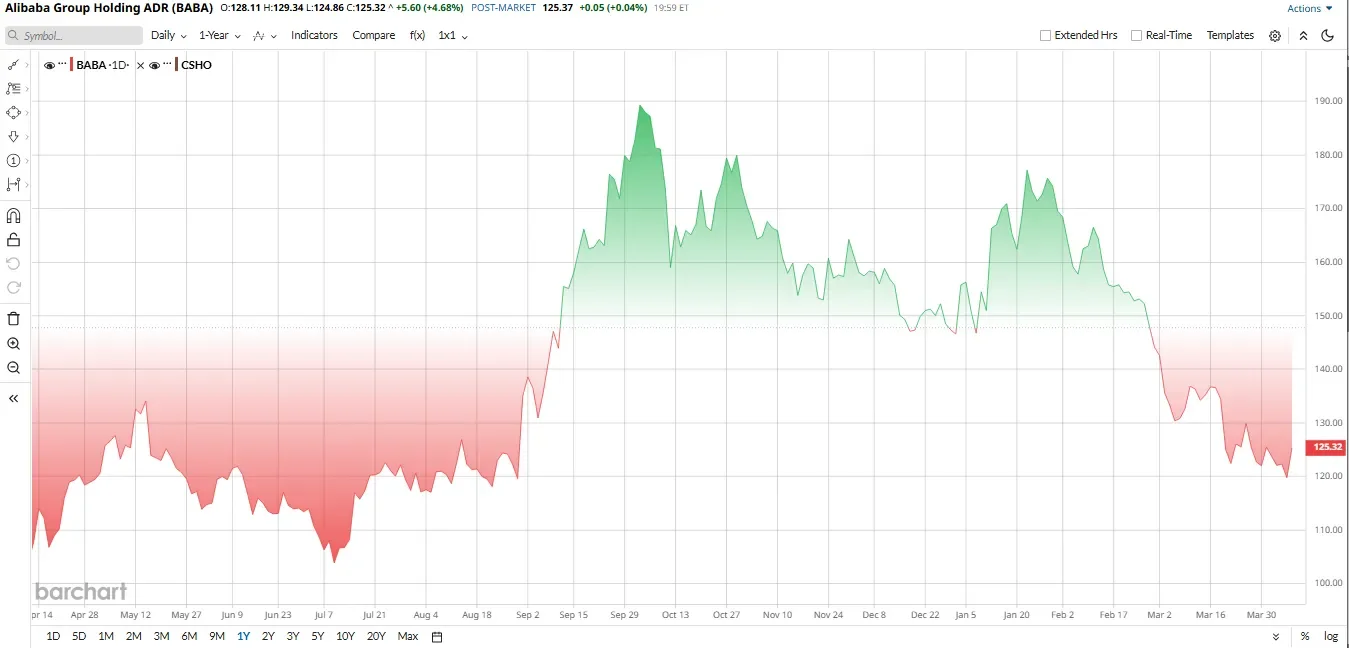
The rollout of the Zhenwu chips in a production environment suggests a move beyond experimental development towards tangible operational independence from entities like Nvidia. This strategy appears to be driven by a combination of market opportunity and geopolitical pressure, compelling Chinese tech firms to build out their own semiconductor ecosystems. While Alibaba's stock saw an increase following the announcement, the long-term performance of these homegrown chips in real-world applications will be a critical factor for investors.
Read More: Coty Stock Price Drops to $2 as Revenue Slows and Mass Market Declines
The strategic alignment with China Telecom also facilitates broader market access, with smaller businesses able to leverage the data center's computing power through the telecom provider's platform. Alibaba Cloud has framed the initiative as advancing China's AI computing from theoretical performance to large-scale industrial implementation.
Context of China's AI Ambitions
This development underscores China's accelerating race to build sovereign AI capabilities. Despite progress in AI model development, the nation has faced challenges in acquiring cutting-edge AI chips due to US trade controls. The parallel advancements by companies like Huawei and Alibaba signal a concerted effort to bridge this gap and reduce vulnerability to external technological dependencies.
Alibaba's T-head chip unit has been instrumental in this effort, with years of groundwork laid for semiconductor development. The formation of a new technology committee, led by CEO Eddie Wu and including key AI and technology executives, aims to expedite AI development across the company. This mirrors a broader trend among Chinese technology giants, who are increasingly investing heavily in large-scale AI infrastructure.
Read More: Wipro Creates New AI Unit to Build "AI-Native" Businesses by End of 2026


:max_bytes(150000):strip_icc()/GettyImages-1336750482-41c782850ec04ccaaa4d32df6792df22.jpg)
