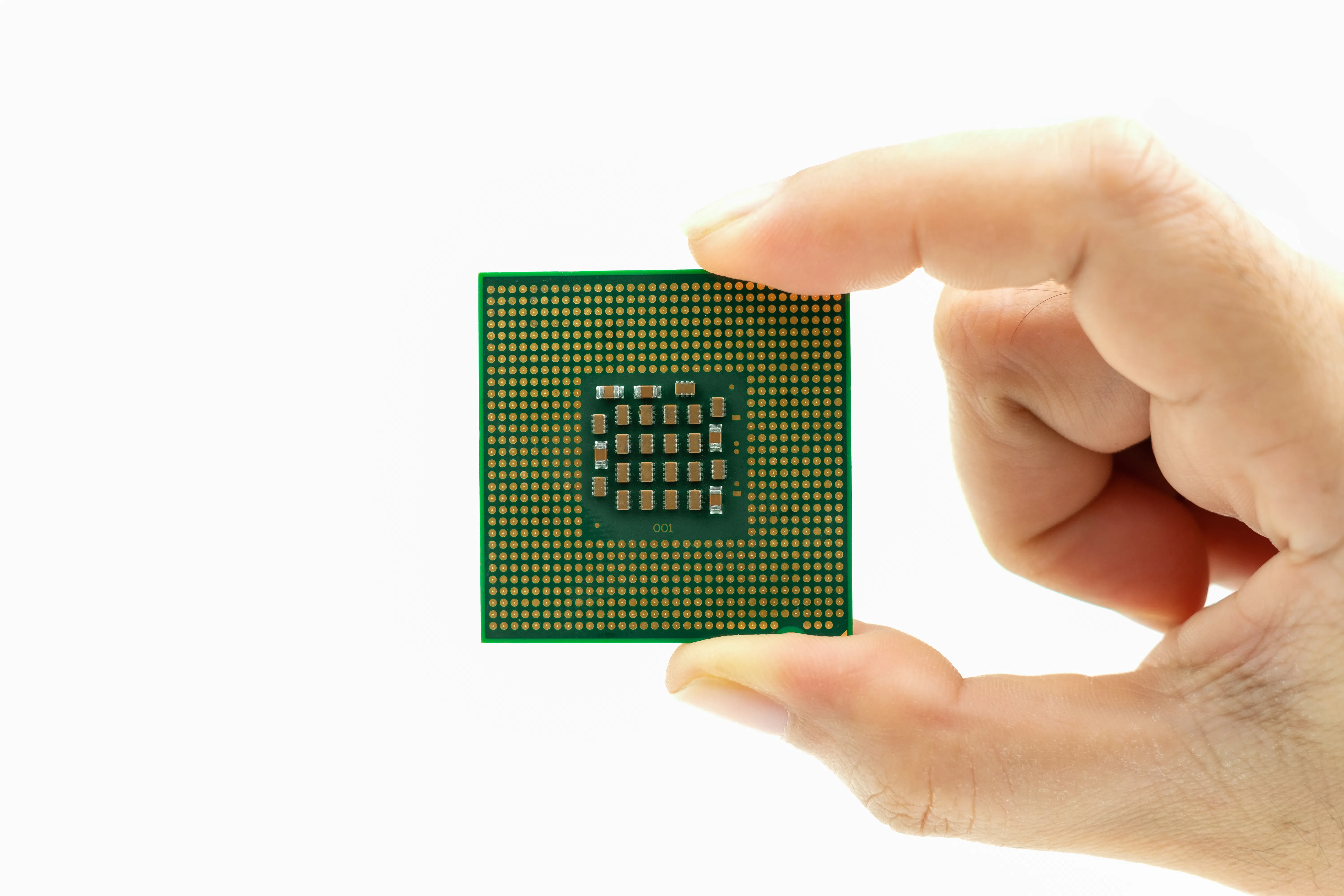
The global semiconductor market is projected to reach a staggering $1.5 trillion by 2030, fueled by an insatiable demand for artificial intelligence (AI) and high-performance computing (HPC) technologies. This dramatic expansion is largely orchestrated by Taiwan Semiconductor Manufacturing Company (TSMC), the world's preeminent contract chip fabricator. TSMC's updated outlook signals a significant upswing in both chip manufacturing and advanced packaging capabilities to accommodate this burgeoning digital landscape.
TSMC's dominant position is underscored by its foundational role in the industry; nearly every chip designer relies on the company's advanced manufacturing processes. The company is actively expanding its global footprint to meet this demand. Its first plant in Japan is already producing chips using 22-nanometer and 28-nanometer processes, with a second Japanese facility now geared towards 3-nanometer production due to intense demand.
Global Expansion Amidst Geopolitical Currents
Beyond Japan, TSMC is detailing its manufacturing plans in the United States and Germany. The German project, a substantial EUR 10 billion undertaking, aims to integrate manufacturing with academic research consortia between 2026 and 2029. This expansion occurs against a backdrop of efforts to de-risk global supply chains, particularly concerning Mainland China. While geopolitical tensions and potential disruptions remain a constant shadow, TSMC's strategy emphasizes ecosystem creation and strategic capacity deployment.
Read More: Microsoft Edge adds AI Copilot to tabs, users worry about privacy
Market Dynamics and Constraints
TSMC's projected market dominance is not without its challenges. Key drivers include:
Robust Global Demand for AI/ML Accelerators: This is identified as a primary growth factor, with a significant impact expected in the medium to long term across North America, Asia-Pacific, and Europe.
Automotive SiC/GaN Device Ramp-up: Expected to influence the market in the medium term, with early adoption in Europe and North America.
Mainland China Supply-Chain De-risking Strategies: A short-term driver with implications for global supply chains.
Conversely, potential restraints loom:
Escalating Energy Intensity and Carbon-Pricing Risk: TSMC alone accounted for 7.3% of Taiwan’s electricity in 2024, a figure expected to rise to 12.5% with 2-nanometer production maturity. This raises concerns about national energy consumption and environmental policies.
Geopolitical Tension and Potential Blockade Scenarios: These pose significant short-term risks to Taiwan and the global semiconductor supply chains.
Water Scarcity-Driven Fab Downtime: A medium-term concern impacting regional water management.
Skilled Labour Plateau: Despite increasing STEM graduates, finding sufficient skilled labor presents a long-term challenge for international operations.
TSMC's Unrivaled Position
TSMC currently holds an imposing 72% share of the global chip market, cementing its status as an "invisible monopoly." Its largest clients include tech giants like Apple and Nvidia, highlighting its critical role in the development of cutting-edge consumer electronics and AI technologies. The company's immense production capabilities are difficult for competitors to replicate, suggesting its leadership in the semiconductor industry is likely to endure. The focus on 'advanced heterogeneous integration' and government-backed R&D roadmaps further solidify its technological trajectory.
Read More: Quarterhill Stock Hits 52-Week High After Q1 Earnings