


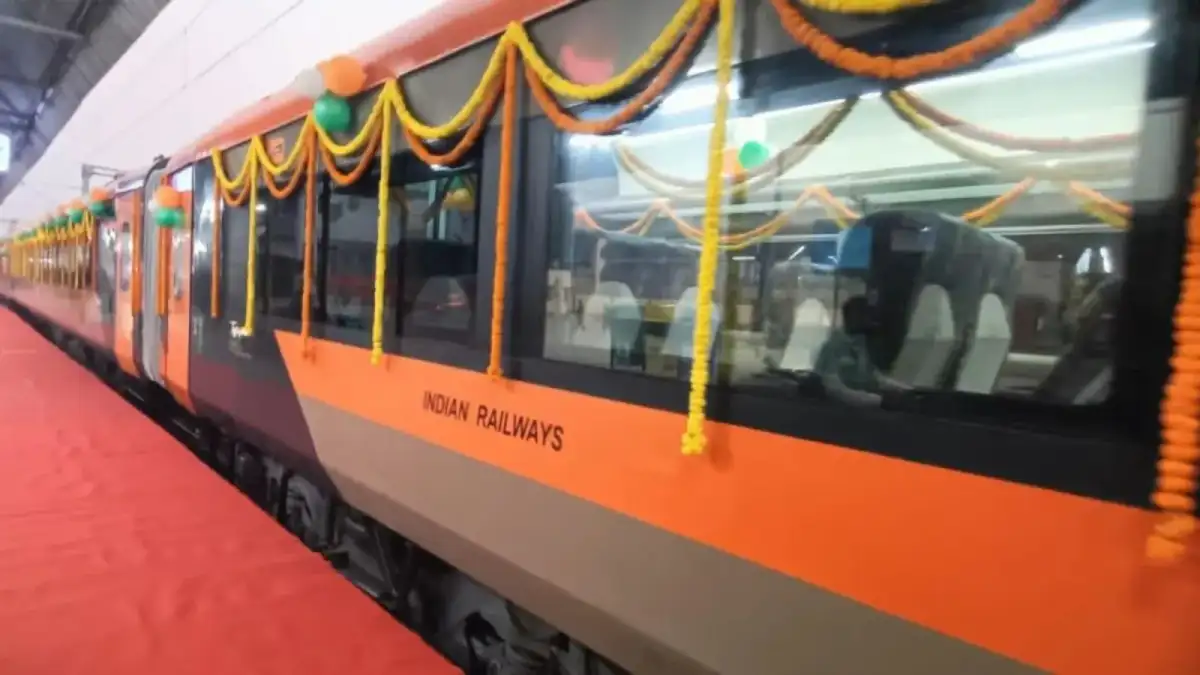
Indian Railways has expanded the capacity of the 42nd Vande Bharat Express (Train Nos. 22961/22962), operating between Ahmedabad Junction and Mumbai Central. As of January 26, 2026, the rake composition has been increased to 20 coaches, incorporating four additional AC Chair Car units to address sustained passenger volume on this route.
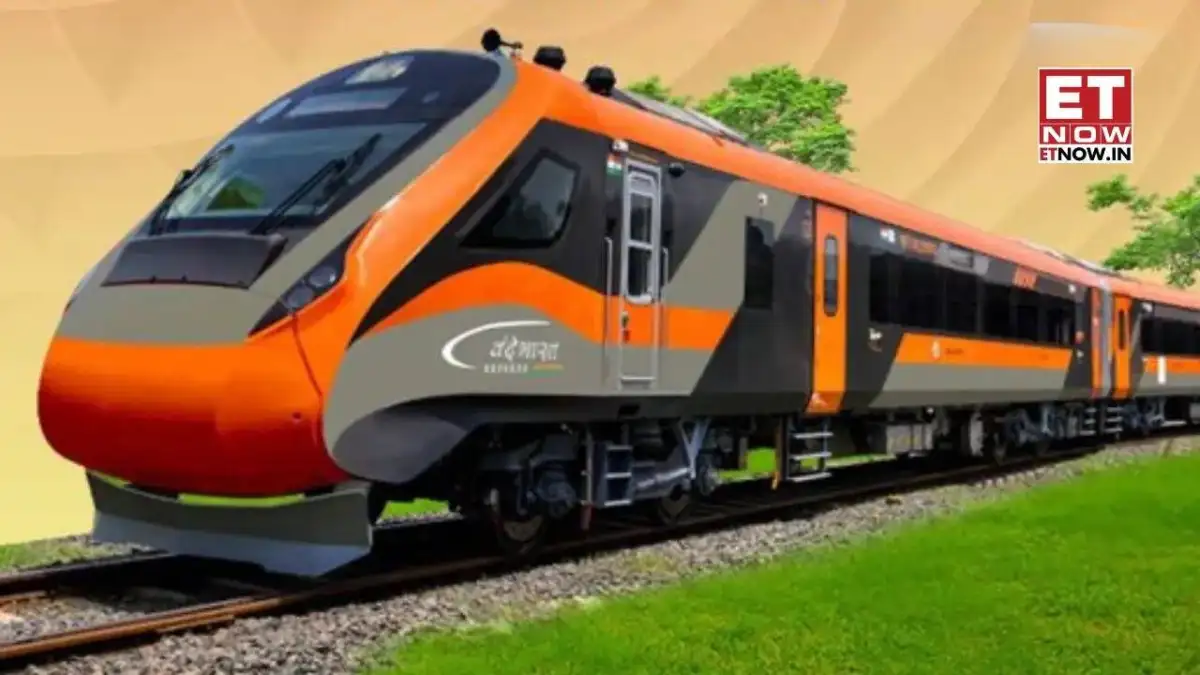
The upgrade allows for an approximate increase of 278 seats per trip, directly responding to high occupancy rates on the 491-kilometer corridor.
Operational Data
| Metric | Specification |
|---|---|
| Route | Ahmedabad (ADI) – Mumbai Central (MMCT) |
| Distance | 491 km |
| Travel Time | 05:40 hrs |
| Frequency | Daily (except Sundays) |
| Intermediate Stops | Vadodara, Surat, Vapi, Borivali |
| Capacity Increase | ~278 passengers |
Institutional Framing
The decision to augment the rake is presented by the Railway Ministry as a technical adjustment to mitigate recurring passenger stress. While the service remains branded under the semi-high-speed banner, the expansion highlights a reliance on extending existing rakes to solve throughput issues rather than altering fundamental infrastructure or speed parameters.
Temporal Nuance: While the permanent upgrade commenced January 26, 2026, subsequent statements indicate specific temporary augmentations—notably a 20-coach rake deployment from March 9 to March 31, 2026—suggesting fluid, trial-based management of rolling stock.
Systemic Utility: The Vande Bharat series, being an indigenously manufactured self-propelled unit, serves as the current instrument for state-led modernization, focusing on seat availability as the primary metric of "efficiency."
Background
The Ahmedabad-Mumbai link serves as a high-density transit vein for two of Western India’s primary economic hubs. The current modernization narrative surrounding the Vande Bharat project functions as a centerpiece for the national rail network's ongoing infrastructure policy. The deployment of additional coaches is an attempt to manage the tension between growing urban demand and the fixed constraints of existing rail corridors, emphasizing incremental hardware additions over broader structural system overhaul.
Read More: IPL 2026: Kohli's animated send-off to Gill in Ahmedabad goes viral

