The AFL coaching profession is currently navigating a complex intersection of financial pressure, evolving career paths, and persistent job insecurity, particularly for those at the assistant and development levels. A significant shift involves coaches seeking "side hustles" to supplement incomes, driven by reduced football department soft cap spending since COVID-19, which has led to lower pay for increased workloads. This has fueled a burgeoning market for personalised coaching sessions, with coaches, including former AFL players, leveraging their skills for additional income.
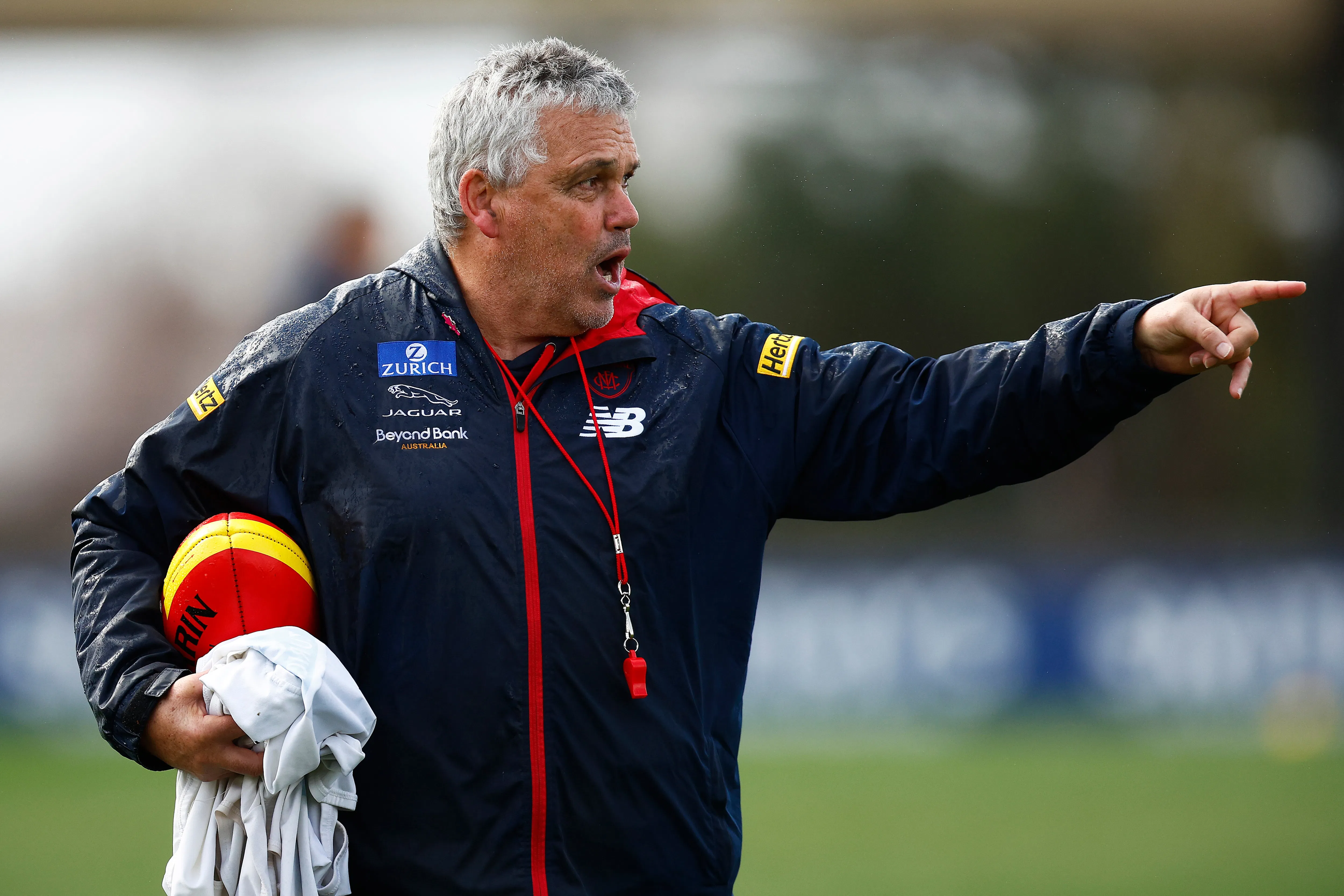
Recent surveys highlight a stark dichotomy: while average coach salaries have seen an increase, with some senior assistant roles now having a portion of their salary outside the soft cap, job security remains a critical concern. A substantial 65 per cent of assistant and development coaches operate with termination periods of three months or less, creating a volatile environment that the AFL Coaches' Association argues impacts competitive balance across clubs. This precariousness, coupled with the fact that over 75 per cent of coaches are former AFL players, underscores the association's call for a more robust, industry-wide coaching strategy.
Read More: FIFA World Cup 2026 Revenue Reaches $15 Billion With New Ticket Prices

Shifting Structures and Coaching Development
The AFL is actively seeking to professionalize and expand its coaching pool, even venturing into international talent identification. For instance, a premiership coach is set to guide American prospects at an upcoming combine in Dallas, a move that signifies the league's ongoing strategy to tap into the US market for potential talent, particularly tall athletes. Concurrently, internal development initiatives are underway, with programs like the "Advanced Coaching Practices Course" and "Elevate Your Coaching Practices Course" being introduced for 2026 to help coaches upskill.
Coaching Instability and the Market
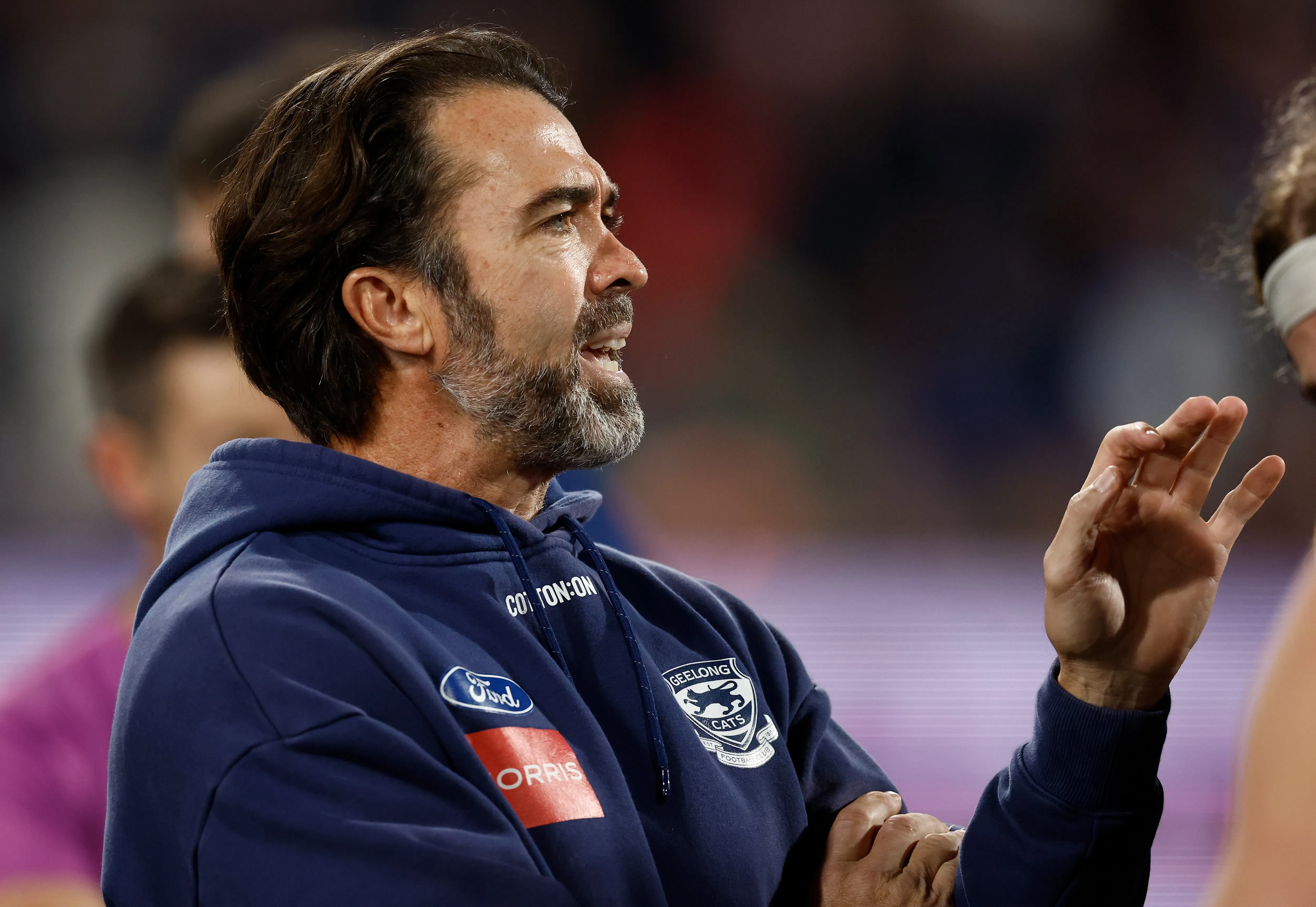
The coaching landscape has seen recent high-profile changes, with clubs like Sydney and Port Adelaide announcing new coaching appointments. This constant flux, often influenced by performance and succession plans, contributes to the underlying pressure within the profession. Online platforms and resources are emerging to support coaches, offering pathways, learning modules, and information on development programs, catering to both experienced and aspiring coaches.
Read More: Hunter Region Gets $12 Billion Train Factory

Background: Financial Pressures and the 'Side Hustle' Economy
The financial strain on AFL coaches intensified following pandemic-induced cuts to the soft cap on football department spending. This economic reality pushed many, from senior assistants to development coaches, to explore avenues beyond their primary roles. The emergence of a marketplace where coaches can offer personalized sessions at rates reflecting their perceived value speaks to this trend. While these supplementary roles are not full-time, they offer a crucial financial buffer. The AFL Coaches' Association has been vocal about these issues, presenting to the AFL Commission and engaging in meetings with league officials to advocate for improved conditions and a more stable career structure. Salary benchmarking surveys consistently reveal that while pay has improved, the lack of consistent job security, particularly concerning termination clauses, remains a significant point of contention.