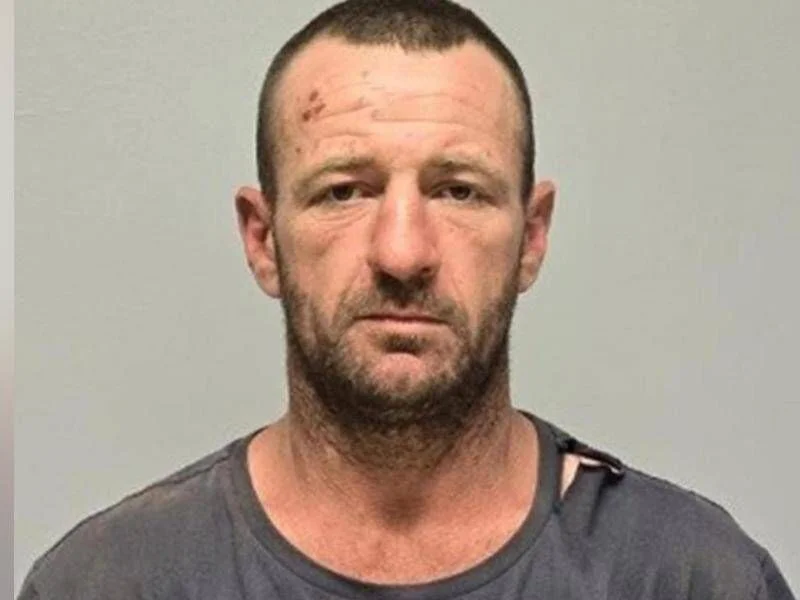
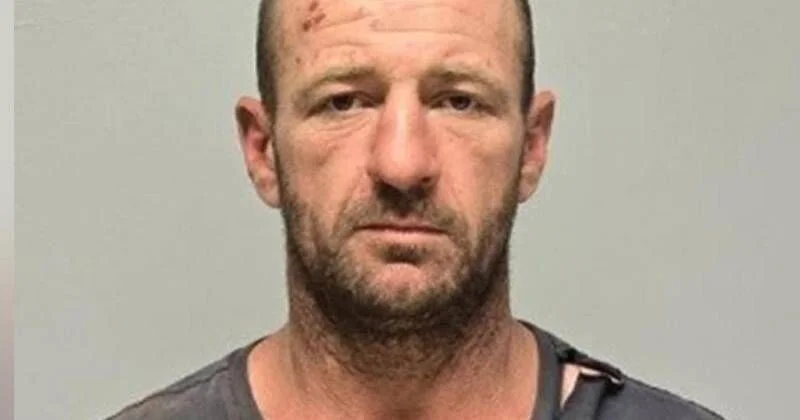
New South Wales Police have formalized a $250,000 reward for information leading to the capture of Julian Ingram (also identified as Julian Pierpoint). The 37-year-old remains at large following the January 22 shootings in Lake Cargelligo, which resulted in the deaths of Sophie Quinn, her unborn child, John Harris, and Nerida Quinn.

| Status | Details |
|---|---|
| Primary Suspect | Julian Ingram / Pierpoint |
| Charge | Triple Homicide |
| Last Confirmed Sight | January 22 |
| Reward Amount | $250,000 AUD |
Police Assistant Commissioner Andrew Holland asserts that Ingram is alive and actively receiving external support to evade detection. Authorities have emphasized that those who have aided the fugitive will not be granted blanket immunity, noting that any potential legal leniency will be assessed on an individual basis.
Tactical Shifts and Community Strain
The hunt for Ingram has triggered a heavy police presence in the Western Region, particularly as the community prepares for the funeral services of the victims. Deputy Commissioner Paul Pisanos noted that police operations are straining to maintain control in the region, remarking that law enforcement alone cannot mitigate the social fractures exposed by these events.
Read More: Third Teen Charged in Fatal Stabbing Near Melbourne Hospital on Wednesday
The search operation has expanded to include speculative involvement from private bounty hunters attracted by the quarter-million-dollar incentive.
Police have explicitly requested that the public cease utilizing social media platforms to report leads, urging the use of official channels instead.
Official reports confirm Ingram was last linked to a Ford Ranger utility vehicle near the Mount Hope area in late January.
Contextual Trajectory
The gravity of the current search is amplified by the procedural history surrounding Ingram. The accused was released on bail for domestic violence charges—specifically concerning an assault on Sophie Quinn—merely months prior to the killings.

The narrative of this pursuit is characterized by an asymmetry of resources: while police have deployed specialist units, the fugitive continues to exploit what authorities describe as a local support network. This reliance on hidden infrastructure complicates the efficacy of monetary rewards, shifting the investigative focus from pure pursuit to dismantling the silence of those concealing his location.
The case underscores a persistent volatility in regional policing, where systemic failures in bail administration collide with the visceral fallout of intimate partner violence.


/cloudfront-ap-southeast-2.images.arcpublishing.com/nzme/RVI7RFHOI34HTKKRUG3LS6DNVY.jpg)