New Jersey transit authorities are planning to implement a $150 round-trip train fare for spectators traveling to MetLife Stadium for the 2026 World Cup, marking a significant markup from the standard $13 ticket. With parking effectively eliminated at the venue for the tournament, officials project approximately 40,000 fans per match will be funneled into the regional rail system, creating a captive consumer base for the high-cost shuttle service.
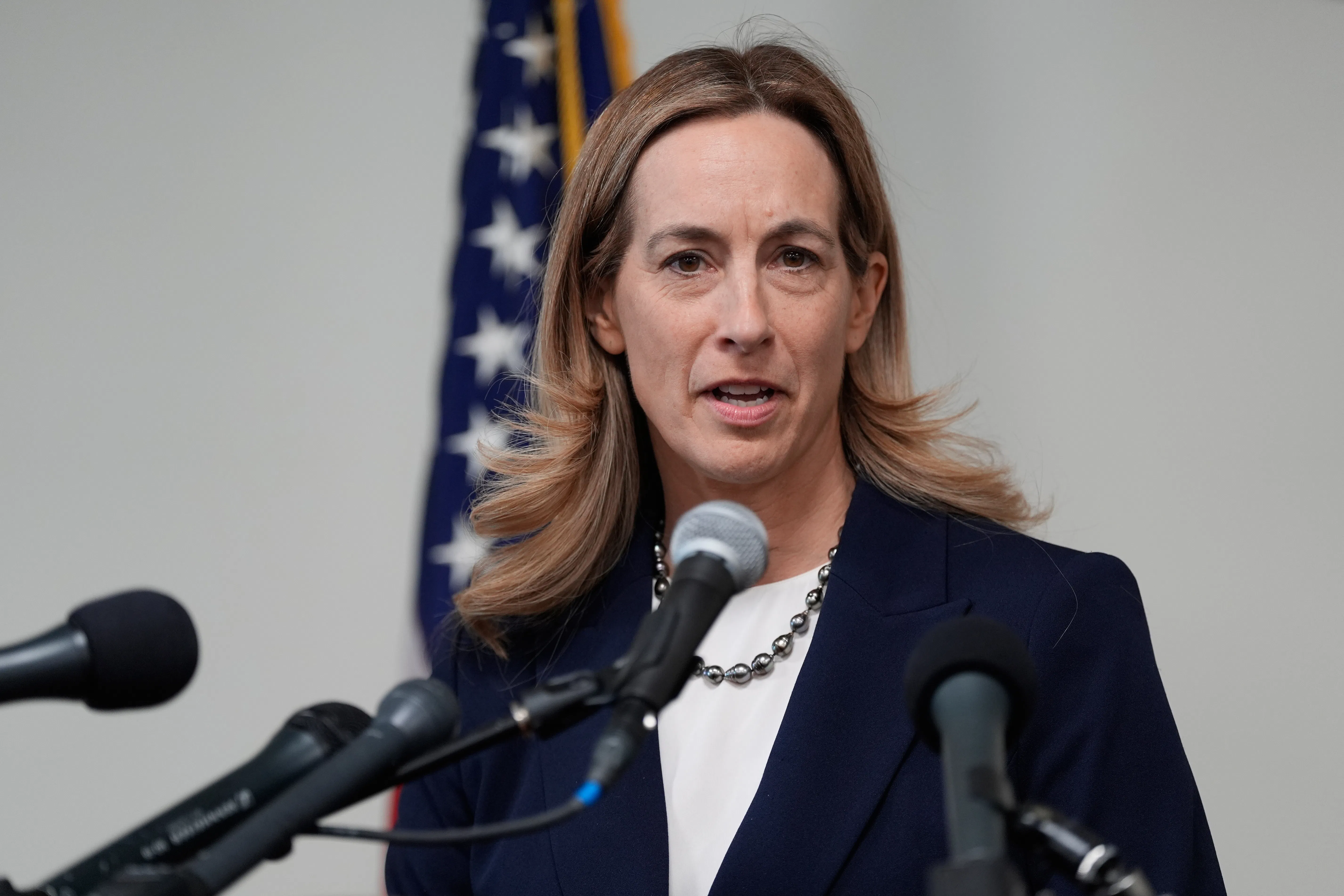
The proposed pricing structure has prompted immediate friction between regional stakeholders, with U.S. Representative Mikie Sherrill issuing a direct challenge to the state’s fiscal approach regarding the tournament logistics.
The pricing mechanism targets eight specific match dates, culminating in the July 19 final.
Standard rail operations currently facilitate transit to the stadium for approximately $13.
Lack of private vehicle infrastructure at MetLife Stadium forces total reliance on public-private transport schemes.
| Cost Component | Standard Fare | Proposed World Cup Fare |
|---|---|---|
| MetLife Shuttle | ~$13 | $150 |
| Parking Availability | Restricted | Virtually Zero |
| Projected Daily Volume | Varies | 40,000 passengers |
"If they don’t [reconsider]—I’m not going to let New Jersey get taken for one," said Rep. Sherrill via social media regarding the potential for price-gouging fans under the guise of transit necessity.
The Logistics of Constraint
The absence of parking at the New Jersey venue serves as the primary driver for this pricing model. By removing the ability for fans to drive, transit providers hold a monopoly on physical access to the stadium grounds. This environment shifts the rail service from a public utility model toward a high-margin extraction model during the high-profile events.
Read More: Portugal beats Croatia 2-1 in Toronto to reach 2026 World Cup Round 16
Background on Regional Transit Constraints
The 2026 World Cup poses an unprecedented demand spike for the New York/New Jersey transit corridor. While other venues like Gillette Stadium present different geographic hurdles—being located further from urban centers—the MetLife configuration relies entirely on the successful management of a concentrated rail influx. Historical data on mass-transit pricing for international sporting events often reflects a trade-off between infrastructure capacity and cost-recovery goals, though the scale of the current $13 to $150 increase is being scrutinized for its impact on tournament accessibility and local political optics.