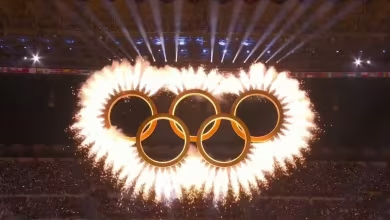
Milan, Italy – The grand spectacle of the 2026 Winter Olympics has officially kicked off, but the opening ceremony in Milan's iconic San Siro stadium was conspicuously missing a significant contingent of its stars. In an unprecedented move, athletes from the first five nations announced in the Parade of Nations chose to bypass the main Italian hub, opting instead for simultaneous celebrations in the rugged mountain venues. This unintended consequence, as some are calling it, shines a glaring spotlight on the ambitious, yet perhaps overstretched, multi-site format of these Games, raising urgent questions about unity, logistical realities, and the very spirit of the Olympic movement.
"Allowing athletes to participate in the Parade of Nations at the mountain locales for the most spread-out Winter Games in history created what perhaps was an unintended consequence: Zero competitors from any of the first five countries actually showed up at the main hub, Milan's San Siro soccer stadium."
Read More: Italian Athletes Do Well at Home in Winter Olympics
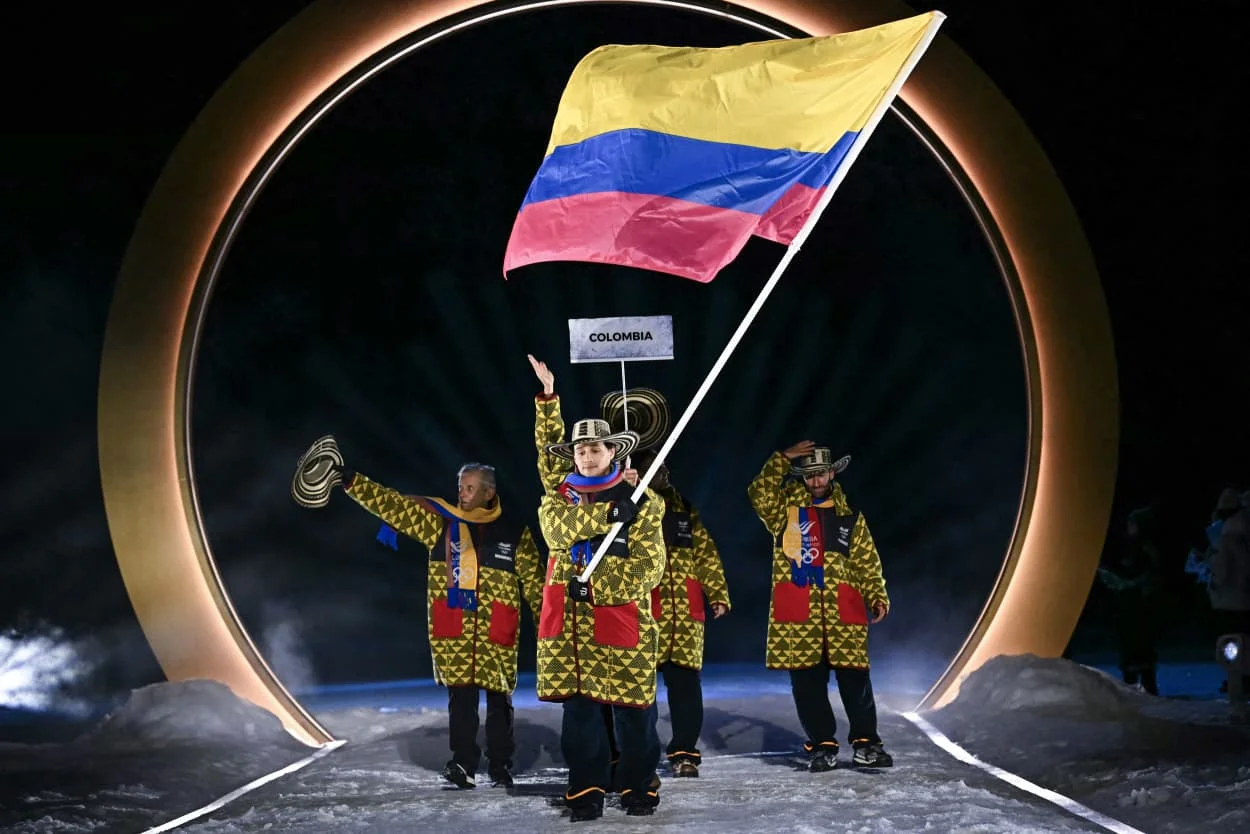
The implications are stark. While signs bearing the names of Greece, Albania, Andorra, Saudi Arabia, and Argentina were paraded by flag bearers in Milan, no actual athletes from these nations were present. Instead, they were thousands of kilometers away, participating in parallel festivities in Cortina d'Ampezzo, Livigno, and Predazzo. This logistical feat, designed to accommodate sports played far from the bustling financial capital, has effectively bifurcated the Olympic experience right from its ceremonial start. What does this tell us about the organizational priorities, and are we witnessing a new, fragmented future for mega-sporting events?

A Ceremony Divided: Logistics Trump Tradition?
The decision to hold simultaneous opening ceremonies in remote mountain locations, while seemingly practical for athletes already acclimatized to their competition venues, has fundamentally altered the traditional Olympic opening. The "most spread-out Winter Games in history" aimed to bring the Olympics closer to the snow and ice, but it appears to have also brought a physical and symbolic distance between athletes and the central celebration.
Read More: Lindsey Vonn Hurt in Ski Race Crash
The Dual-Cauldron Conundrum: For the first time, these Games feature two Olympic cauldrons – one in Milan and another 400 kilometers away in Cortina. While organizers tout this as an homage to Leonardo da Vinci, it also serves as a potent symbol of the Games' physical fragmentation.
The Vanishing Athletes: The absence of athletes from Greece, Albania, Andorra, Saudi Arabia, and Argentina from the Milan ceremony raises questions about national representation and the communal spirit typically fostered at such events. Were these athletes given a choice, or was it a logistical directive?
The "Unintended Consequence": The phrase itself suggests a planning oversight. How could organizers not anticipate that athletes already situated at distant venues, with events likely commencing early, would opt out of a lengthy trek to Milan and back?
"The multi-city ceremony format Friday allowed up-in-the-mountains sports such as Alpine skiing, bobsled, curling and snowboarding to be represented without requiring folks to make the several-hours-long trek to Milan, the country's financial capital."
Read More: Ukraine Skeleton Player Removed from Olympics for Helmet Design
This practical consideration, however, comes at a cost to the unifying power of the opening ceremony. While the Milan ceremony was a sold-out affair, drawing a crowd of 61,000 and featuring Italian cultural highlights, its core message of global unity was, for some, muted by this geographical division.

Echoes of Past Controversies: Logistics, Politics, and Olympic Identity
This isn't the first time the Olympics have grappled with logistical complexities or moments that have detracted from their celebratory facade. The sheer scale and ambition of the Milan-Cortina Games seem to be amplifying these challenges.
The 2000 Sydney Olympics: Faced with a vast continent, Sydney famously flew the Olympic flame to remote towns, a logistical marvel that underscored the challenge of national inclusion in a geographically dispersed nation. However, this was about extending the reach of a single ceremony, not creating separate ones.
The 1992 Albertville Olympics: These Winter Games were also noted for their spread, with events scattered across the Savoie region. While not as stark as the Milan-Cortina model, it highlighted the trend of decentralization in Winter Olympics.
Recent Olympic Games and "Over-Tourism": Concerns about the impact of mega-events on host cities, including the displacement of residents and the strain on infrastructure, have led some bids to propose even more dispersed models. Milan-Cortina appears to be an experimental test case for this approach.
Read More: Spurs Look at Tactics and Player Choices
"The first country with athletes at San Siro was Armenia — and their entrance drew raucous cheers from a sellout crowd of 61,000."
The "raucous cheers" for Armenia stand in contrast to the conspicuous absence of the nations whose signs were paraded. This begs the question: Does a symbolic presence, carried by a delegate, hold the same weight as the actual athletes marching in unison?
The Athlete's Perspective: Practicality vs. Pageantry
For athletes, the Olympics are a culmination of years of intense training and sacrifice. The opening ceremony, while a significant event, must also be weighed against the demands of immediate competition.
| Country | Athletes' Location in Parade of Nations | Actual Athlete Presence in Milan |
|---|---|---|
| Greece | Sign carried in Milan | No |
| Albania | Sign carried in Milan | No |
| Andorra | Sign carried in Milan | No |
| Saudi Arabia | Sign carried in Milan | No |
| Argentina | Sign carried in Milan | No |
| Armenia | Athletes present in Milan | Yes |
Proximity to Competition: Athletes in disciplines like Alpine skiing, bobsled, and snowboarding are likely already in or near their competition venues. A trip to Milan could mean a disruptive journey, potentially impacting their focus and physical readiness.
Exhaustion and Injury Risk: The demands of the opening ceremony itself – hours of standing, the pageantry, the potential for unexpected movements – could pose a risk to athletes in the lead-up to critical events.
Representation and Choice: Were these athletes truly choosing to be elsewhere, or were they presented with a fait accompli by organizers prioritizing logistical ease over a unified ceremonial march?
Read More: Matt Weston Leads Skeleton Race, Close to Olympic Gold
"While signs bearing the names of Greece, Albania, Andorra, Saudi Arabia and Argentina were carried into the home of Serie A soccer titans AC Milan and Inter Milan, there were no athletes from those places around."
This situation raises a critical point: Is the Olympic spirit being diluted by a pragmatic, yet segmented, approach? Are we prioritizing the "how" over the "why"?
A Smattering of Boos: Glimpses of Discontent
Amidst the cultural performances and the spectacle, a small but noteworthy moment of dissent was observed:
"Later, a smattering of boos met Israel’s four representatives at the Milan ceremony."
While the reasons behind this are not elaborated upon in the provided texts, such occurrences, however minor, serve as reminders that the Olympic Games are not solely about sport; they are also a global stage where political and social currents can manifest. The presence of such reactions, even in a limited capacity, underscores the complexities of bringing the world together, even under the banner of sport.
The Future of Olympic Openings: Fragmentation or Innovation?
The Milan-Cortina 2026 Winter Olympics' opening ceremony is more than just a kickoff event; it's a powerful statement about the evolving nature of the Olympic Games. The question is whether this innovation is a step forward or a slippery slope.
Read More: Top Girls' Basketball Teams Stand Out in Southern California
Logistical Feasibility vs. Symbolic Unity: As Games become more spread out, organizers face a constant tension between practical arrangements and the need for a cohesive, unifying ceremony.
The Role of the Athlete: How much agency should athletes have in deciding their participation in ceremonial events, especially when it conflicts with logistical realities or competition schedules?
The Spectacle of Division: Will future Olympic host cities adopt similar multi-site formats, leading to a common scenario where the "Parade of Nations" is more a parade of empty signs and distant representations?
The lighting of the Olympic flames by legendary Italian skiers Alberto Tomba, Deborah Compagnoni, and Sofia Goggia across different locations (Milan and Cortina) further emphasizes this duality. While celebrating national heroes, it also highlights the physical distance that defines these Games.
Milan: Alberto Tomba, Deborah Compagnoni
Cortina: Sofia Goggia (250 miles away)
Read More: Ukrainian Athlete Removed from Olympics for Helmet Tribute
"The other is 250 miles away in Cortina."
This geographical disparity, while intended to embrace the mountainous spirit of the Winter Olympics, has undeniably created a less cohesive and perhaps less impactful opening ceremony. The true test of these Games will be whether this fractured beginning can be overcome by the shared athletic endeavors that follow, or if it foreshadows a permanent shift in how the Olympic ideal is presented to the world.
Sources:
AP News: As it happened: The Milan Cortina Winter Olympics opening ceremony
CBS Sports: Winter Olympics 2026 Opening Ceremony: Best moments, highlights from Italy
NBC News: Winter Olympics 2026 live updates: Opening ceremony officially kicks off Milan Games
Olympics.com: Olympic Opening Ceremony - Milano Cortina 2026 Winter Games
PBS NewsHour: PHOTOS: Milan Cortina Olympics begin with opening ceremony