As the 2026 NFL Draft looms, a digital chorus of simulators, predictors, and consensus boards is attempting to map the unpredictable terrain of player selection and team strategy. These tools, varying in sophistication and methodology, aim to demystify draft night by projecting picks, forecasting trades, and analyzing prospect viability against evolving team needs. The proliferation of these platforms highlights a growing demand for data-driven insights into an event historically characterized by intuition and surprise.
"The Draft Day Predictor means using ESPN's Draft Day Predictor to figure out the fuller draft picture before it plays out — and of course, to power our mock draft simulator." - ESPN Article 1
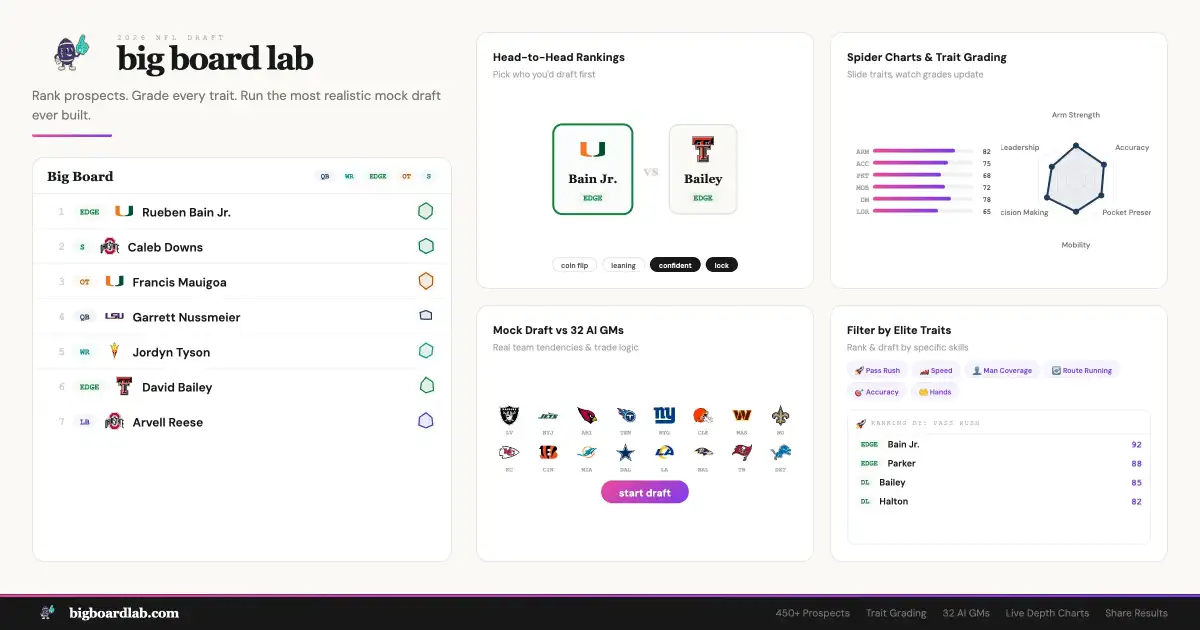
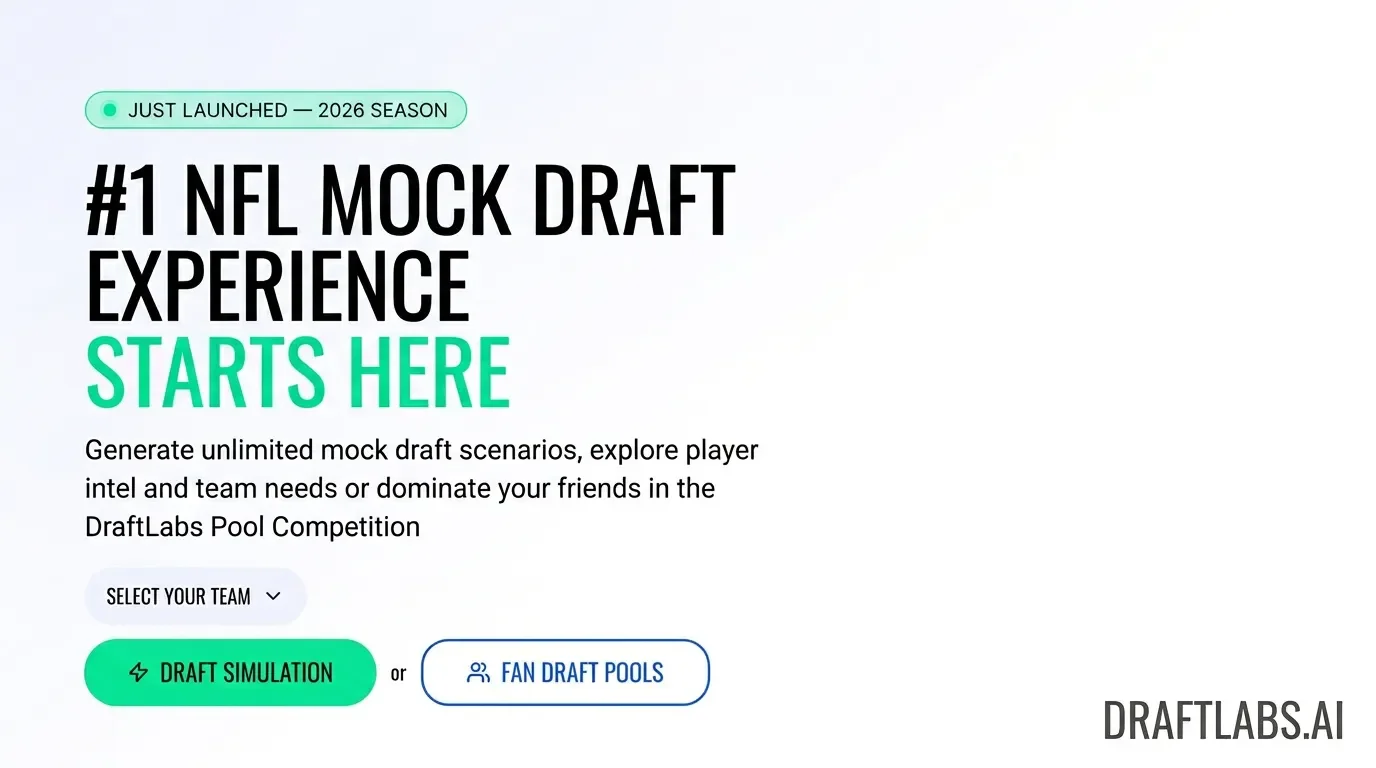
At the core of this predictive ecosystem are sophisticated algorithms and extensive data aggregation. Platforms like ESPN's 'Draft Day Predictor' and 'Mock Draft Simulator' are leveraging analytical tools to offer probabilistic outcomes for prospects like consensus No. 2 quarterback Ty Simpson, projecting his potential draft slot. Similarly, 'Big Board Lab' and 'Draft Labs' tout 'realistic AI-controlled teams' and '32 AI GMs with Real Personalities' that simulate trade negotiations and roster impacts, mirroring real-world front office dynamics. These systems offer users the chance to step into a 'GM mode,' managing everything from free agency to salary caps.
Read More: Arsenal's Arteta to Stay Despite No Major Trophies by March 2026
The underlying data powering many of these simulators originates from a confluence of expert opinions and quantifiable metrics. 'Wideleft.football's' 'Consensus Big Board,' for instance, synthesizes rankings from 110 draft analysts to present a unified view of the top 300 players. This aggregated data, combined with scouting reports and prospect analytics, forms the bedrock upon which mock drafts and prediction models are built.
Other prominent entities contributing to this predictive landscape include 'Pro Football Network' (PFN), which offers its own 'Mock Draft Simulator' alongside a 'Season and Playoff Predictor,' and 'Fanspeak's' 'OnTheClock' simulator, noted for its rapid iteration capabilities and direct simulation of CPU trade offers. The Ringer also contributes with its '2026 NFL Draft Guide,' offering speculative player fits for specific teams.

The ultimate goal for many of these platforms is to provide a dynamic, interactive experience for fans and aspiring general managers. The ability to iterate through multiple draft scenarios, observe the ripple effects of each pick, and compare personal outcomes against official grades underscores the evolving role of digital tools in understanding and engaging with the NFL Draft.
Read More: Jared Goff ready for new Lions season after coaching changes
A Landscape of Simulated Scrutiny
The 2026 NFL Draft, still some time away, is already subject to an unprecedented level of digital dissection. Numerous websites and analytical tools are now available, each promising a unique lens through which to view the future player selection process. These range from detailed mock draft simulators where users can act as team general managers, making picks and executing trades, to comprehensive big boards that aggregate scouting opinions.
Platforms such as 'ESPN's Mock Draft Simulator' and 'Big Board Lab' provide interactive experiences. Users can select a team and navigate through simulated draft rounds, with the 'AI GMs' on Big Board Lab reportedly exhibiting 'Real Personalities' and engaging in trades. 'Draft Labs' offers a '7-round simulation' with 'realistic AI-controlled teams' and 'VOR-based prospect rankings.' 'Fanspeak's' simulator highlights its speed and its ability to handle 'inbound trades' from simulated teams.
Read More: Hawks beat Knicks 107-106 in Game 2, series tied
Beyond interactive simulations, several sites focus on ranking prospects. 'Wideleft.football's' 'Consensus Big Board' is notable for its compilation of rankings from 110 draft analysts. 'ESPN's' 'Draft Day Predictor,' detailed in another of their articles, aims to forecast pick probabilities for individual players. 'Pro Football Network' also offers a simulator, and 'The Ringer' provides draft guide insights.
These tools are not merely for fan engagement. They represent an attempt to impose order and predictability onto an inherently chaotic event. The methodology often involves a blend of statistical analysis, expert scouting evaluations, and predictive modeling. The sheer volume and variety of these digital forecasting mechanisms suggest a societal desire to quantify and understand complex, often opaque, decision-making processes within professional sports.
Context: The Digital Transformation of Draft Analysis
The rise of these comprehensive NFL Draft simulation and prediction tools is a relatively recent phenomenon, closely tied to advancements in data science, artificial intelligence, and the widespread availability of sports analytics. Historically, draft analysis relied heavily on the subjective assessments of scouts and the informed speculation of sports journalists. While these elements remain crucial, the digital age has introduced powerful new layers of analysis and interactivity.
Read More: Justin Jefferson doubts J.J. McCarthy, welcomes Kyler Murray to Vikings
The 2026 NFL Draft itself will feature a total of 257 picks, spread across seven rounds, to be broadcast on ESPN and ABC. The emergence of tools like 'ESPN's Draft Day Predictor' (referenced in Article 1 and Article 9), 'Big Board Lab,' 'Draft Labs,' 'Wideleft.football's' consensus board, 'Pro Football Network's' simulator, 'Fanspeak's' simulator, and 'The Ringer's' guide signifies a shift towards a more data-intensive, user-driven approach to draft preparation and discussion. These platforms not only process vast amounts of information but also allow users to actively participate in the simulated process, making the draft a more immersive and analytically charged spectacle.