THE NEW FRONTIER: ROOKIES AND VETERANS RECALIBRATE VALUE POST-DRAFT
The recent NFL Draft has stirred the pot in the 2026 fantasy football tight end landscape, prompting a recalibration of established rankings and a spotlight on emerging talent. Sources indicate that "nearly all the risers are all rookies," with a strategic delay in incorporating them until after the draft to allow for a more measured assessment. This influx of fresh prospects is forcing a re-evaluation of veteran players, with "barring an unforeseen trade or injury," the fantasy football ranking value changes won’t be nearly as massive for established names moving forward.
The core dynamic for 2026 fantasy tight ends involves integrating rookie impact with veteran steadiness, a process accelerated by the NFL Draft. Established sites like FantasyPros and Draft Sharks are in the process of updating their consensus and individual expert rankings, acknowledging the need for freshness in their assessments. This signifies a crucial period where fantasy managers must parse evolving player evaluations amidst the league's annual talent infusion.
Read More: Fantasy Baseball Waiver Wire Adds for May 2026

KEY PLAYERS AND EMERGING NARRATIVES
Amidst the flux, specific tight ends are generating discussion. Harold Fannin Jr. is highlighted for his receiving grade, described as "the best tight end outside of that tier" despite not performing at the absolute elite level. His rookie campaign with the Browns saw him lead in receptions, receiving yards, and tied for touchdowns. In contrast, veteran Dallas Goedert is noted for a disconnect between his expected touchdown total and his actual performance, leading to consistent, uninspiring fantasy point totals. His performance, tied for second in top-12 fantasy weeks, is juxtaposed against an expected TD total of 5.1 and only five end zone targets.
Brock Bowers is also mentioned as having remained productive when healthy, finishing second among tight ends in fantasy points per game. His inclusion, however, appears alongside established names like Trey McBride and Kyle Pitts, suggesting a continued stratification of the position. The potential retirement or decline of Travis Kelce is also a narrative, with projections suggesting his days as a top-12 fantasy asset are likely behind him, even if he returns.
Read More: Mike Vrabel Attends Wedding Amid Scandal

THE VETERAN STABILITY QUESTION
For the 2026 season, sites are grappling with how to rank veterans whose future team situations and on-field roles are still in development. Mark Kraft is noted as a player whose ranking might be cautiously placed due to uncertainty about his readiness for Week 1. His strong PPR points per game performance in the latter half of the previous season is a key factor, yet questions linger. Similarly, Isaiah Likely's ranking is debated, with his value potentially tied to remaining with the Ravens, making a top-12 consideration complex in all league formats.
Read More: NFL Draft Changes Fantasy Football Team Rankings for 2025 Season
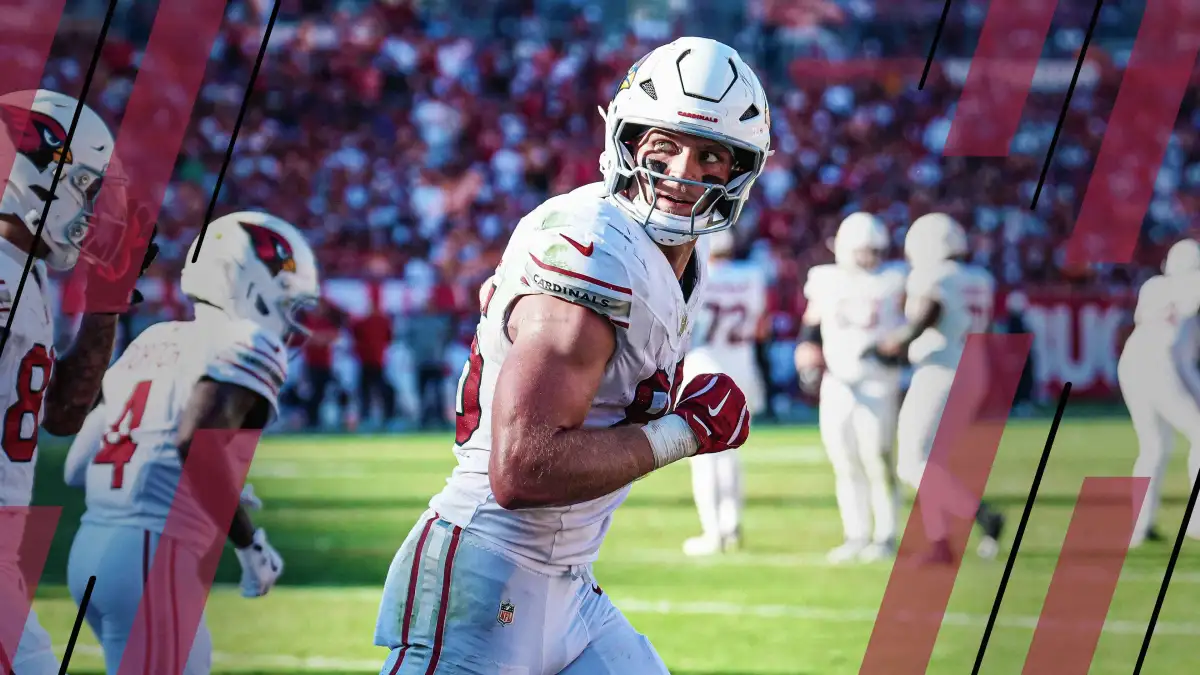
This dynamic is reflected in the raw data. Draft Sharks presents a tiered ranking system, placing players like Mark Andrews (ARI), LaPorta (LVR), and Colston Loveland (CHI) at the top, followed by others such as Tyler Warren (IND) and Jake Ferguson (DAL). Their "3D Value" metric, designed to adapt during a draft based on 17 indicators, underscores the attempt to inject dynamism into player valuation in the face of an ever-shifting player pool.
Background Narratives
The current discourse surrounding 2026 fantasy tight end rankings emerges from a confluence of expert analysis and data-driven projections. Platforms like FantasyPros, Draft Sharks, ESPN, PFF, Sporting News, and CBS Sports are continually updating their positional assessments. These updates, published as recently as yesterday and two days ago, reflect a race to capture the immediate impact of the NFL Draft, alongside ongoing evaluations of player performance metrics such as receiving grades and target volume. The inclusion of "injury alerts" like Questionable (Q), Out (O), Injured Reserve (IR), and Suspensions (S) further complicates the reliability of these rankings, adding layers of uncertainty to pre-season projections.
Read More: Kayvon Thibodeaux out for Giants vs Patriots game on April 7 2026