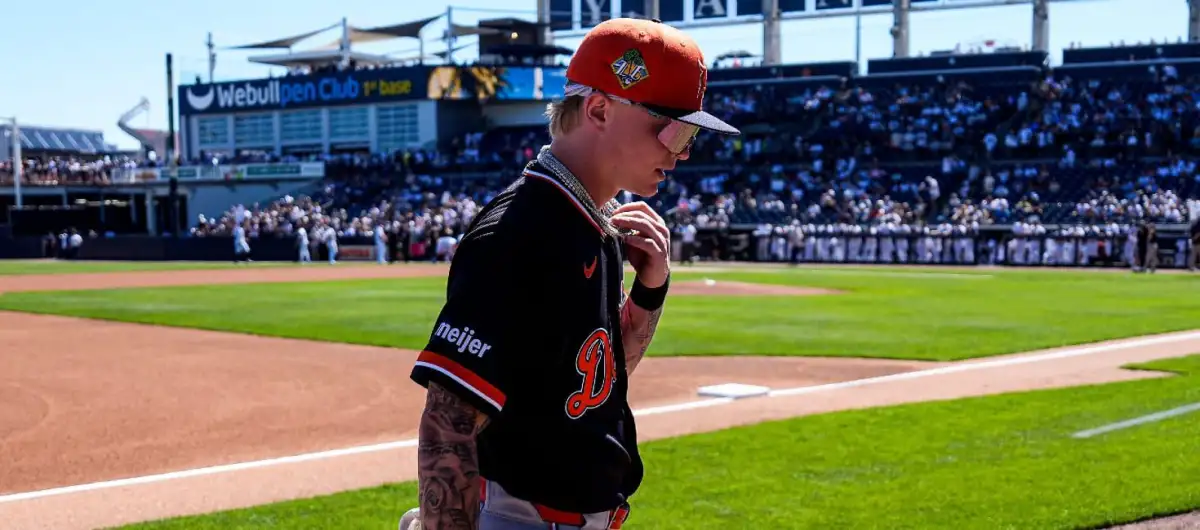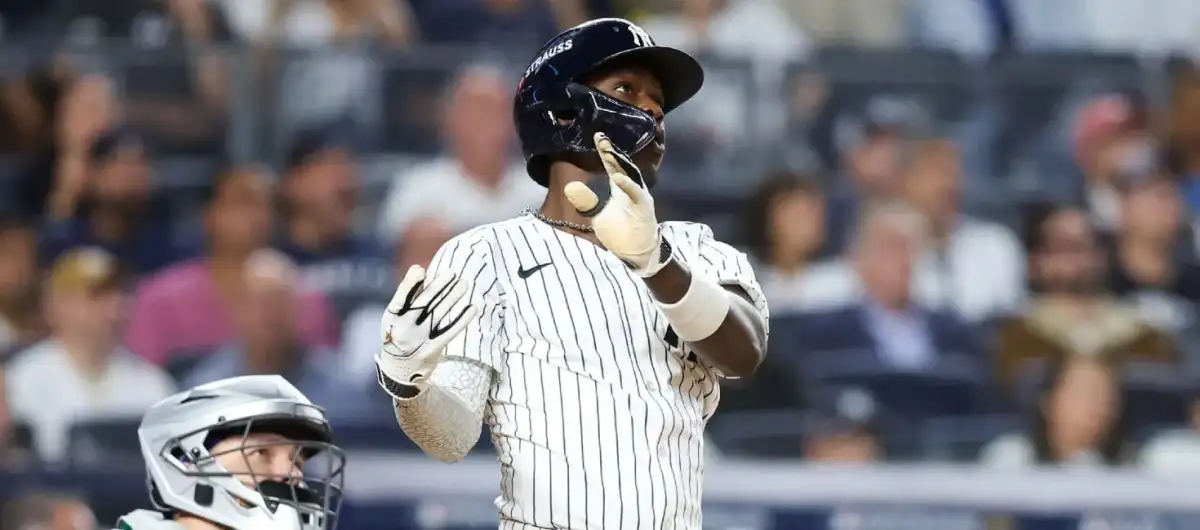
Mock drafts and expert guides are surfacing as participants in the 2026 fantasy baseball season begin to strategize. This yearly ritual, steeped in speculation and the allure of potential champions, sees various outlets presenting their curated lists of players, rankings, and tactical advice.
The landscape of player valuation for the upcoming fantasy baseball season is becoming clearer, with multiple sources releasing mock draft results and in-depth analysis of player prospects. Key figures like Shohei Ohtani and Aaron Judge are consistently highlighted for their perceived stability, while others, such as Justin Crawford and Matt McLain, are being eyed for their potential to yield high fantasy returns. The inclusion of prospects like Eury Perez and Agustin Ramirez in early round selections suggests a growing emphasis on unproven talent.
Sources like ESPN, FantasyPros, and The Athletic are leading the charge in providing comprehensive draft kits. These resources often include - rankings, cheat sheets, and mock draft results. They aim to equip players with the necessary tools to navigate the complex decisions involved in building a winning team. Specific draft strategies, such as committing to a particular build based on early picks or leveraging "Jazz-type profiles" for later-round acquisitions, are also being discussed.
Read More: FIFA World Cup 2026 Revenue Reaches $15 Billion With New Ticket Prices
The discourse surrounding player value extends to established veterans and those potentially poised for a resurgence. Players like Marcus Semien and Gleyber Torres are being identified as "bounce-back candidates," implying a belief in their ability to improve upon recent performances. Conversely, the inclusion of players like Blake Snell and Josh Hader in later rounds of some mock drafts might suggest concerns regarding their consistency or long-term viability in fantasy formats.

Deeper Dives into Player Pools
Beyond the general draft strategies, specific player categories are receiving focused attention. 'Prospect rankings' are a recurring theme, with individuals like Kiley McDaniel providing evaluations of rookies and prospects for their 2026 fantasy impact. This indicates a segment of the fantasy baseball community that prioritizes youth and potential over current production.
Read More: Fantasy Baseball Waiver Wire Adds for May 2026
Offseason Shifts and Their Fantasy Ramifications
The impact of offseason trades and signings on player value is another significant point of discussion. Analysts are examining how players moving to new teams might alter their fantasy production. This introduces an element of uncertainty, as player performance can be influenced by new environments, coaching staff, and team dynamics.
The Ever-Present Uncertainty of the Draft
Even with extensive preparation, the fantasy draft itself remains an exercise in controlled chaos. The act of selecting players involves navigating fluctuating perceived values and reacting to the choices made by other participants. The last rounds of any draft, as noted by Just Baseball, often contain players who are the first to be "dropped," underscoring the inherent risk involved in late-round picks.
BACKGROUND
The emergence of these 2026 fantasy baseball resources signifies the annual cycle of preparation and speculation that defines this popular pastime. As the Major League Baseball season approaches, enthusiasts scour data, analyze player trends, and engage in simulated drafts to hone their skills and predict success. The proliferation of mock drafts and analytical guides reflects a community deeply invested in the intricate dynamics of player statistics, team compositions, and strategic decision-making. These efforts, while ostensibly about virtual teams, often mirror the underlying narratives and uncertainties present in the real sport itself.
Read More: England World Cup Match: Pubs Open Until 5 AM Monday