SWEEPING TAX CHANGES TARGET PROPERTY SECTOR
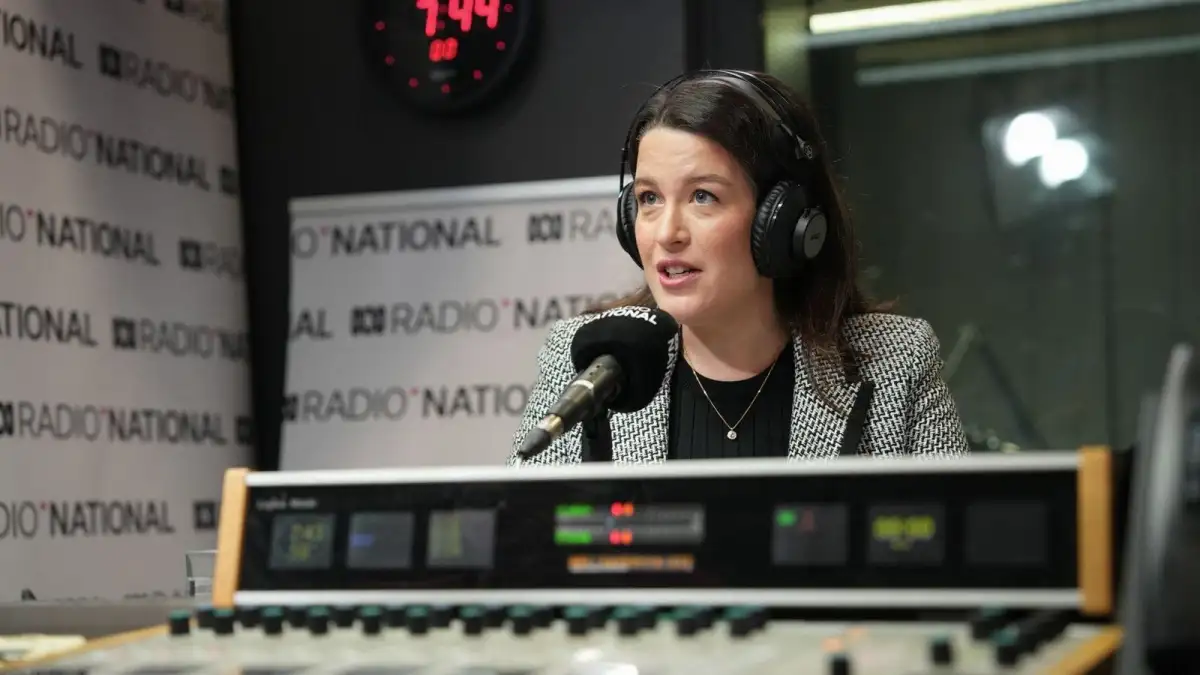
Federal Treasurer Jim Chalmers is set to unveil significant reforms to the capital gains tax (CGT) and negative gearing policies in tonight's 2026 Federal Budget. These adjustments are framed by the government as a push toward 'intergenerational fairness' and aim to reshape Australia's housing market. Chalmers has explicitly stated that the current housing market and tax system are "not working for many Australians," particularly concerning their ability to gain a foothold in the property market or the broader economy. The anticipated changes have drawn immediate criticism from the Coalition, with Shadow Treasurer Tim Wilson suggesting the government is resorting to division and breaking election promises.
ECONOMIC LANDSCAPE AND GOVERNMENT'S STANCE
The budget comes amid an ongoing inflation crisis impacting Australian households. Chalmers has pledged to rein in government spending, though the specifics of the $45 billion upgrade to the budget's bottom line remain to be detailed. The Treasurer has described the upcoming budget as "very ambitious" and "the most responsible yet," even as it defends potential deficits. This budget is presented as Labor's "most ambitious yet," a path chosen to manage economic disruption, including factors linked to global conflicts, and to foster equity across generations.
Read More: Solaris Energy SEI Stock Price Forecast Reaches $91.98 by July 2027

POLITICAL REACTIONS AND MINOR PARTY INFLUENCE
The government acknowledges that economic concerns, particularly around housing affordability and the tax system, are contributing to a rise in support for minor parties like One Nation. Chalmers, however, insists the budget is not a political maneuver designed to counter the influence of these parties, but rather a package intended for economic relief. The Coalition has indicated they will review the measures in detail before lodging a formal opposition, though initial statements from Tim Wilson suggest a strategy of dividing Australians through the proposed reforms.
BUDGET HIGHLIGHTS AND PREVIOUS REVELATIONS
Beyond the property tax reforms, other significant measures flagged for the budget include cuts to the National Disability Insurance Scheme (NDIS), a fuel security package, and adjustments to address the cost of living. These initiatives are part of a broader reform agenda, with Chalmers foreshadowing "more reform than usual." The government has also acknowledged slower than expected economic growth over the coming four years, a factor that may influence the budget's framing and its potential impact on prices.
Read More: Hunter Region Gets $12 Billion Train Factory
BACKGROUND
Treasurer Jim Chalmers is scheduled to deliver the 2026 Federal Budget speech this evening. This marks his fifth budget presentation. The focus on reform, particularly in taxation and housing, signals a departure from previous fiscal approaches, aiming to address perceived inequalities and economic pressures. The political discourse surrounding the budget indicates a clear divide between the government's reformist agenda and the Opposition's concerns regarding fiscal management and electoral promises. The broader economic context, including inflation and potential international instability, provides a backdrop against which these domestic policies will be debated and implemented.