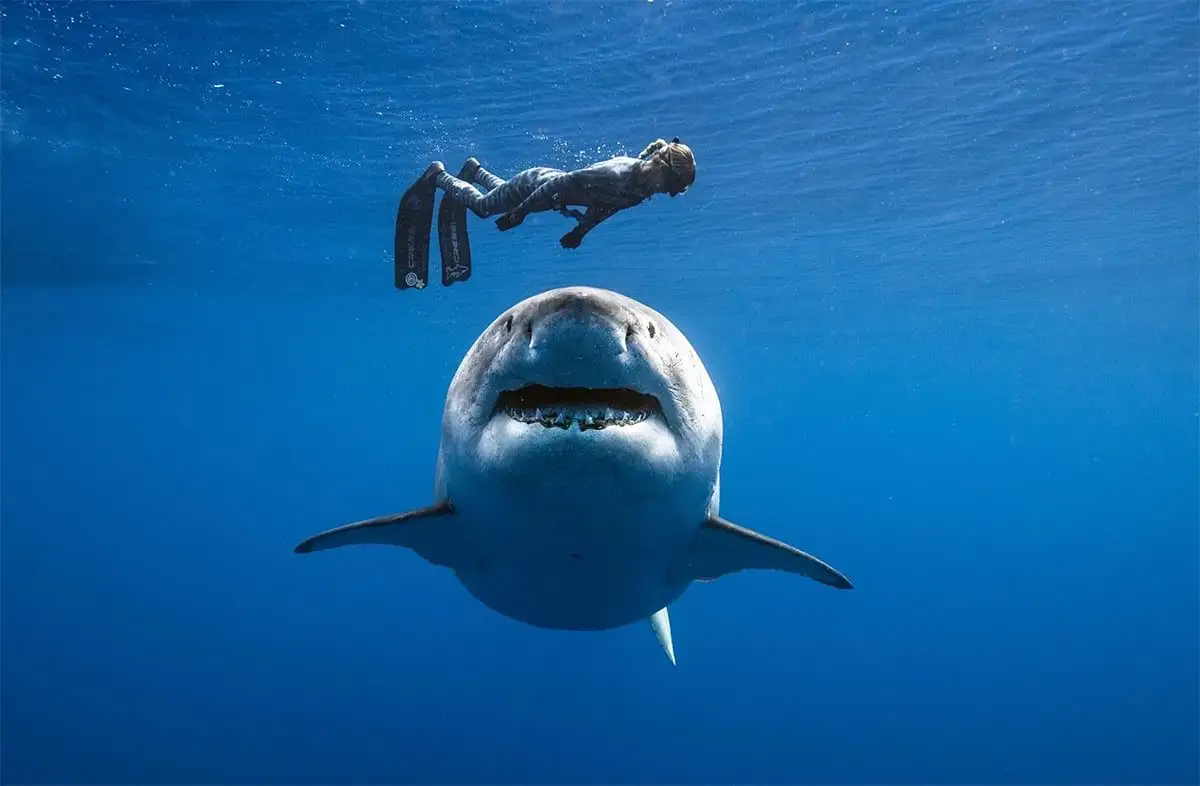
Sixty-five unprovoked shark bites were recorded globally in 2025, according to data compiled by the International Shark Attack File (ISAF). This figure aligns more closely with the recent decade's annual average of 72 incidents. However, a starker statistic emerges from the fatalities: twelve unprovoked attacks resulted in death in 2025, double the average of six per year over the past decade.
The International Shark Attack File, managed by the Florida Program for Shark Research at the Florida Museum of Natural History, tracks these encounters. Director Gavin Naylor cautions that it is too early to determine if this rise signals a definitive shift in trends.
Global Incident Breakdown and Regional Hotspots
While the total number of unprovoked bites is near the decade average, the fatality rate has seen a significant increase. Reports indicate five of the year's fatalities occurred in Australia, which also logged 21 unprovoked bites. This continues a pattern where Australia leads in fatal shark attacks, despite not having the highest number of total bites. The United States, as a whole, remained at the top of the list for total unprovoked bites with 25 incidents, though this was three fewer than the previous year. Fatalities in the US remained unchanged at one.
Read More: Super El Nino 2026 Starts Now Causing Extreme Global Weather Changes
Defining Unprovoked Attacks and Other Encounters
An 'unprovoked' bite is defined by ISAF as an incident where a person is bitten in a shark's natural habitat without any prior human interaction. Separately tracked are 'provoked' incidents, which include situations involving fishing, touching, or handling sharks. In 2025, 29 such provoked encounters were documented.
Contributing Factors and Context
Several factors are being considered as potential contributors to the observed trends. Gavin Naylor has alluded to unique aspects of the "current landscape." Some reports suggest a rise in shark populations in certain regions, such as Australia. Environmental shifts are also mentioned as bringing sharks closer to shore during peak swimming seasons.
Read More: Global Financial System Fragmentation 2026: What It Means For Investors
Despite the increase in shark attack fatalities, the data also highlights the continued rarity of such events. For instance, drowning deaths in the United States alone exceed 4,000 annually, underscoring that risks from water itself far surpass those posed by marine predators. One report specifically frames the media coverage of shark incidents as potentially amplifying public fear disproportionate to the actual risk.
Background: Historical Data and Definitions
The ISAF has been compiling data for decades. Historical context shows that from 1958 to 2023, the U.S. leads in unprovoked attacks with 1,106 incidents (37 fatal), followed by Australia with 647 (261 fatal). Recent years show some fluctuations; 2024 recorded 47 unprovoked cases globally with 7 fatalities, and 2023 saw 69 unprovoked bites and 14 deaths. Over the past decade, worldwide incidents had shown a declining trend, with 57 unprovoked bites in 2022. Peak activity for shark encounters is noted in warmer months, particularly September, when both humans and sharks are more prevalent in coastal waters.
Read More: UN Warns El Nino Returns June 2026 Bringing Extreme Global Weather