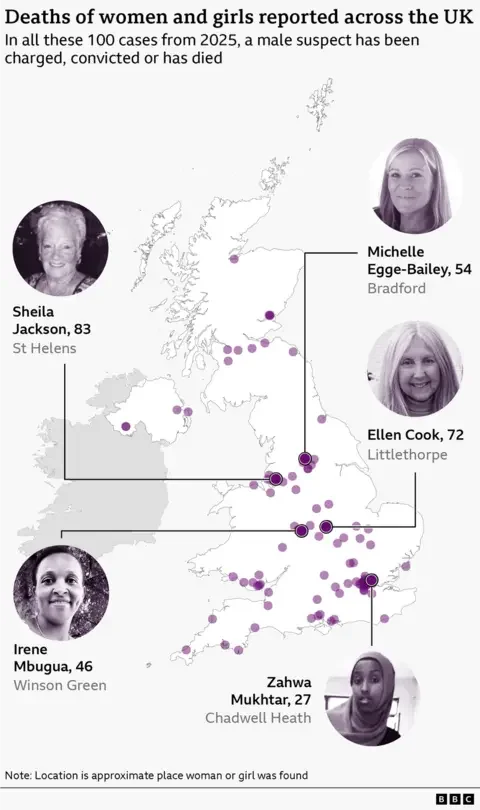
THE GLOBAL REALITY: 137 WOMEN AND GIRLS FALL VICTIM DAILY
In 2024, an estimated 137 women and girls were killed every day by intimate partners or family members, translating to roughly one death every 10 minutes across the globe. This grim tally, based on data from 117 countries, paints a stark picture of ongoing violence. The figures for 2023 showed approximately 51,100 such deaths, a rise from an estimated 48,800 in 2022.
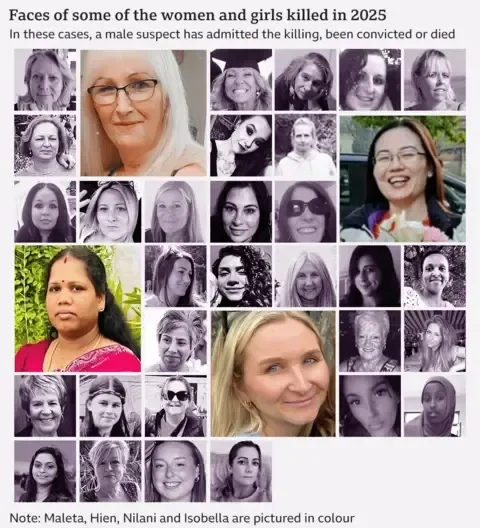
DATA AND DISCREPANCIES
While the UNODC and UN Women reports highlight these devastating numbers, they also acknowledge a significant challenge: the inconsistent availability and reporting of data across different regions. This makes pinpointing an actual decrease in killings difficult, with perceived changes often stemming from variations in data collection. The report from 2024 noted that the reported total was slightly lower than in 2023, but this is not indicative of fewer deaths.
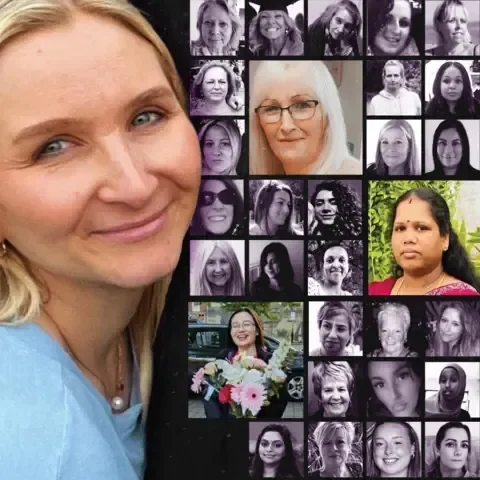
THE INTERTWINED NATURE OF VIOLENCE
"Femicides don't happen in isolation. They often sit on a continuum of violence that can start with controlling behaviour, threats, and harassment, including online." - Sarah Hendriks, Director of UN Women’s Policy Division
The violence is not confined to the home, though this remains a particularly dangerous space for many. Technological advancements have unfortunately amplified existing forms of abuse and created new ones, such as non-consensual image sharing, doxxing, and the use of deepfake videos. This digital harassment can escalate into offline violence and, in the most extreme cases, result in femicide.
Read More: Man Dies After Setting Fire Outside UN in Protest

REGIONAL VARIATIONS AND NUMBERS
While the global average stands at 137 deaths per day, regional rates show significant differences. The Americas and Oceania reported higher rates of victims relative to their populations, with approximately 1.6 and 1.5 victims per 100,000 people, respectively. Africa recorded the highest rate at 2.9 victims per 100,000. In contrast, Asia and Europe had lower rates, at 0.8 and 0.6 victims per 100,000 respectively.

THE BROADER IMPLICATIONS OF FEMICIDE
Femicide, defined as the killing of a woman or girl because of her gender, has far-reaching consequences beyond the immediate loss of life. It erodes social cohesion and hinders economic development by removing valuable members of communities. In conflict zones, women can also be targeted with sexual violence and murder as a tactic of war.
THE CALL FOR ACTION
The reports from UN Women and UNODC emphasize the urgent need for coordinated prevention strategies. This includes:
Establishing robust legal frameworks and specialized justice responses.
Improving systematic data collection and ensuring greater government accountability.
Implementing multi-agency risk assessments and survivor-centred services.
Restricting access to firearms.
Launching public campaigns that challenge harmful norms.
Providing increased funding for women’s rights organizations and institutional bodies.
The UN bodies stress that "every victim must be counted to strengthen prevention, ensure justice, and end impunity."
Read More: UN Panel Warns AI Risks Grow Faster Than Science and Rules
PERSONAL TRAGEDY AS A MICROCOSM
The story of Helena and her sister, whose estranged, alcoholic husband Nimalarajah Mathiyaparanam, stabbed her 18 times while drunk, serves as a deeply personal illustration of these statistics. Helena now cares for her grandchildren, finding solace in raising them, but feels profound anger that her sister’s life was taken while the perpetrator may eventually "start a new life."