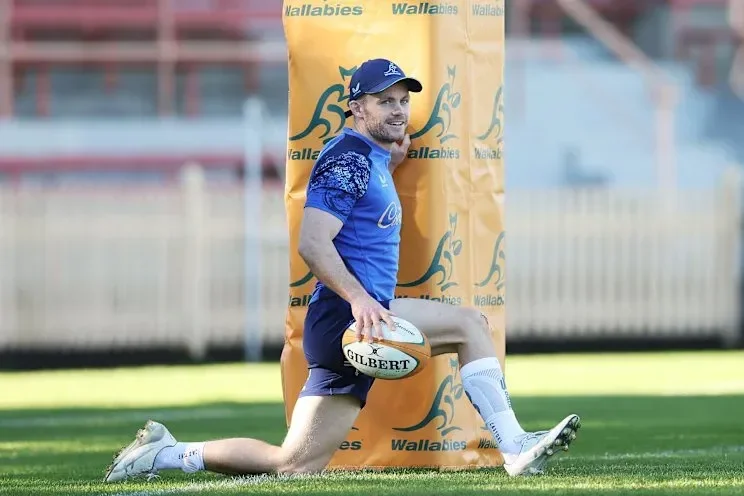
Zac Lomax, a figure now cast adrift from his NRL moorings, has officially commenced his transition to rugby union, confirming a move to the Western Force. The former NRL player acknowledges his nascent status in the new code, admitting, "Realistically, there's so much that I need to learn. I'm a novice to the game." This declaration underscores the considerable chasm between his established rugby league career and the uncharted territory of union. Lomax’s departure has ignited a debate over loyalty and legacy within the sport he is leaving behind.

The circumstances surrounding Lomax's exit from rugby league were far from smooth. A protracted 'contract saga' saw him embroiled in disputes, most notably involving the Parramatta Eels and the Melbourne Storm. An agreement for Lomax to join the Storm could not be reached, leaving him in a state of limbo before his Super Rugby move was finalized. The Eels stated they were "willing to work with Zac and his agent to find an NRL club that wants to sign Zac in exchange for the Eels receiving appropriate value for its football program," indicating a commercial rather than purely sporting motivation for their stance.
Read More: FIFA World Cup 2026 Revenue Reaches $15 Billion With New Ticket Prices
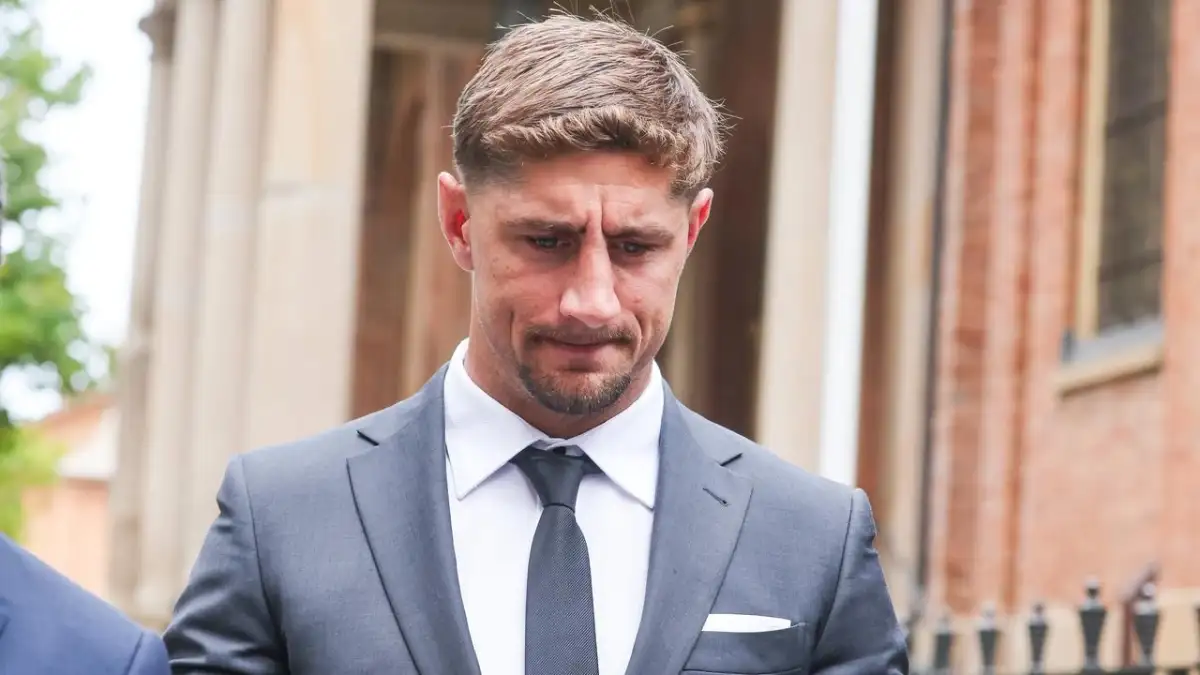
Despite his newfound aspirations in union, Lomax's perceived abrupt departure from league has drawn sharp criticism. Former Test player Mark Geyer lambasted the move as a "flagrant disrespect" to the game, asserting that Lomax had issued a "middle finger" parting shot and would not be welcomed back. This sentiment resonates with a segment of the league fanbase, who view the switch as a betrayal or at least an unceremonious exit from a sport that fostered his career.

The Western Force, however, appears to have been anticipating Lomax’s arrival for some time. Coach Simon Cron revealed that discussions and preparations for Lomax's move had been underway since late last year, following a visit to Perth. Cron emphasized Lomax's sustained enthusiasm for the opportunity, stating, "He has remained in contact during the process and has always been extremely enthusiastic about the opportunity of joining the players who have chosen Perth as their home." This suggests a more deliberate and planned transition from Lomax's perspective, aimed at seeking a fresh challenge and personal growth.
Read More: Australian Rugby Team Selection Changes Ahead of Ireland Match
Lomax himself framed the code switch as a deliberate pursuit of new challenges, stating, "Stepping into a new code will push me as a player and that's something that genuinely motivates me." He has also taken ownership of the consequences of his decisions, acknowledging, "That's me that made the decisions and it's me that has [to suffer] the consequences." This introspective stance contrasts with the more external narratives of discontent and controversy that have accompanied his transfer.
The preceding events highlight a turbulent period for Lomax. His attempts to move to a rival NRL club, specifically the Storm, were initially blocked until 2028. This situation followed an earlier postponement of a potential move to a breakaway competition. The subsequent legal wrangling between the Eels and Storm over his contract eventually led to a settlement in the NSW Supreme Court, paving the way for his ultimate shift to rugby union. The "major blow" to the NRL, as described in some reports, is not just the loss of a player but the contentious manner of his departure.
Read More: England World Cup Match: Pubs Open Until 5 AM Monday