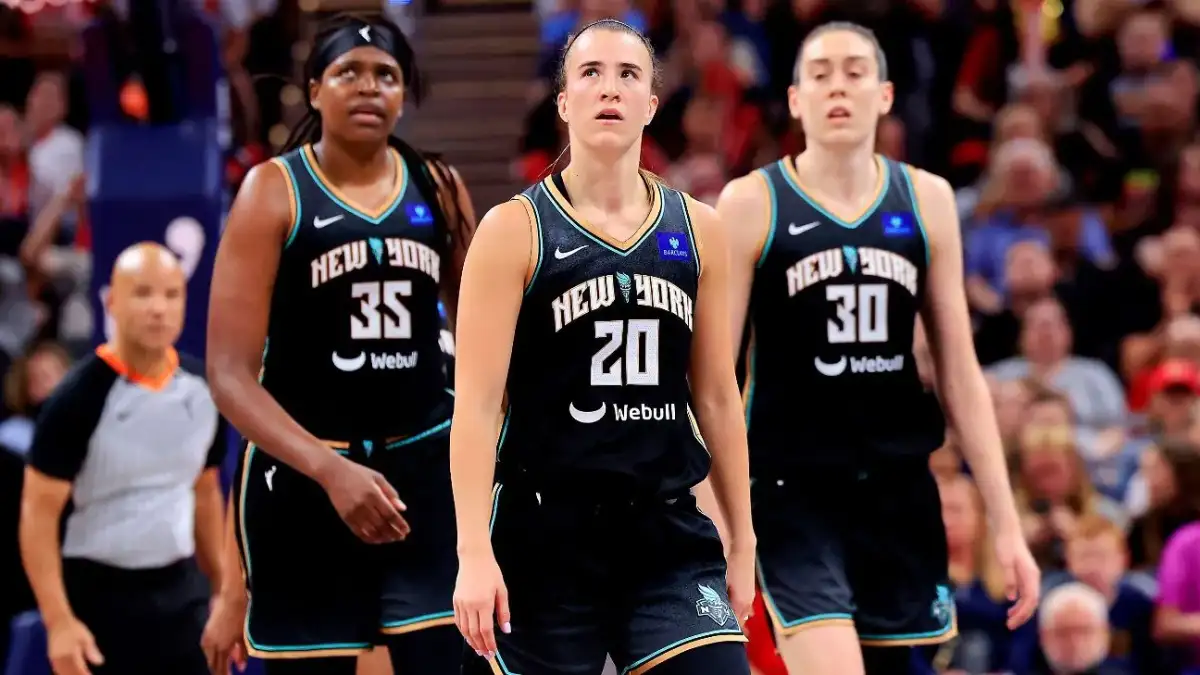
As the WNBA readies for its 30th season, a palpable sense of transition permeates the league. Expansion has reshaped the landscape, adding new franchises and altering established dynamics. This year marks a significant evolution, with teams undergoing considerable roster changes due to expansion drafts, free agency, and player movement, creating an unpredictable atmosphere as the regular season commences.
Early Forecasts Paint A Varied Picture
Preseason power rankings offer a glimpse into the nascent order, with some traditional contenders like the Las Vegas Aces and New York Liberty again featuring prominently. However, the narrative is far from settled. The Minnesota Lynx, having achieved a franchise-best record last season, faced substantial personnel shifts, losing key contributors that underpinned their previous success. This restructuring, coupled with the influx of talent via the expansion draft, introduces a degree of uncertainty to their prospects.
Read More: Orlando Magic Fire Coach Jamahl Mosley After Playoff Loss

The emergence of new teams and the strategic acquisitions by existing ones signal a league in flux. The Toronto Tempo, a new expansion franchise, has made notable additions, suggesting an immediate aim for competitiveness. Similarly, the Golden State Valkyries, despite a playoff exit last season, have bolstered their roster with several key free-agent signings. The Atlanta Dream are also positioning themselves for a championship run, retaining core players and integrating significant new talent, including Angel Reese, acquired via trade.
Rosters in Flux, Futures Unwritten
This offseason has been defined by significant player movement. The Chicago Sky, for instance, saw a notable departure via trade, prompting a perceived rebuild. The Washington Mystics, characterized by a young roster and limited veteran experience, appear to be in a developmental phase, with less immediate pressure to secure wins. Meanwhile, teams like the Dallas Wings are focused on shoring up defensive deficiencies, hoping offensive improvements will compensate.
Read More: Cavaliers beat Raptors in Game 7, advance to face Pistons
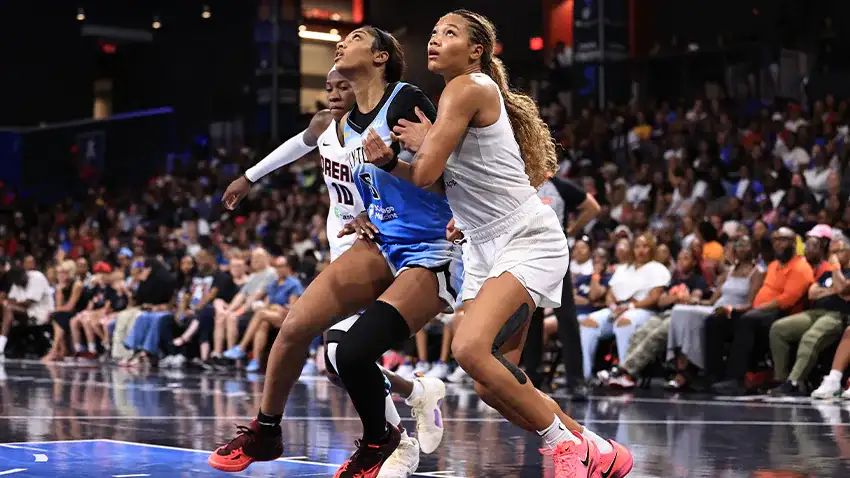
The league's expansion to 15 teams, including an international presence with the Toronto Tempo, represents a pivotal moment. This growth introduces new competitive elements and broader fan engagement.
Background Context
The WNBA has consistently navigated periods of evolution, from its inception to its current stage of expansion. Past seasons have demonstrated that predictions are often challenged by on-court performance and unforeseen developments. The approach of the 2026 season follows a period of significant player activity, including expansion drafts, free agency periods, and the WNBA draft, all of which have contributed to the altered team compositions observed across the league.