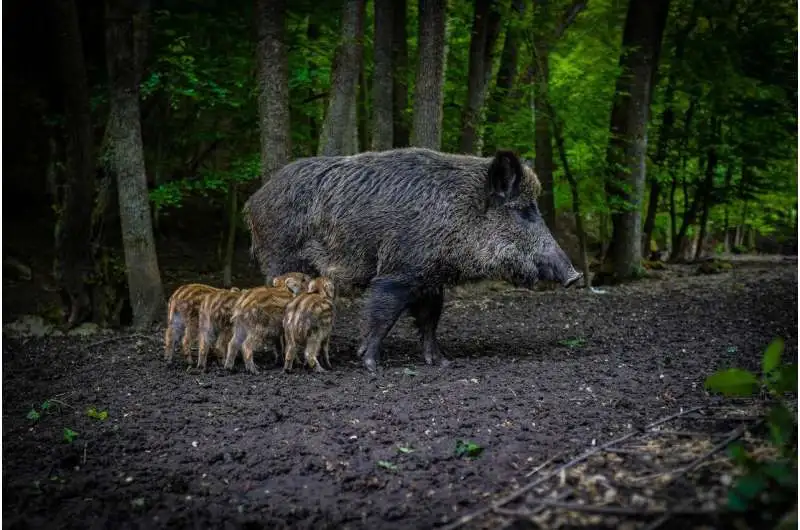
Recent ecological observations suggest a peculiar dynamic unfolding in forest understories: introduced wild pigs appear to be actively suppressing the proliferation of certain invasive plant species, a stark contrast to the observed impact of native white-tailed deer.
Wild pigs are linked to fewer invasive plants, while native deer show the opposite pattern. This counterintuitive finding emerges from recent research, indicating that areas with a higher density of wild pigs exhibited a lower abundance and reduced species richness of invasive flora. The mechanism behind this phenomenon appears rooted in their differing dietary habits and foraging behaviors. While wild pigs are known to consume foliage and seedlings of specific plant types, their overall impact on invasive vegetation seems to be one of reduction.
In direct opposition, native white-tailed deer are associated with a decrease in the abundance of native tree seedlings. Their effect on the richness of these native seedlings is noted as more complex. However, the correlation is clear: ecosystems experiencing a higher deer population tend to host more invasive plants and a greater diversity of these unwelcome species. This suggests that deer, through their browsing patterns, may inadvertently create conditions that favor the establishment and spread of invasive flora.
Read More: UN Warns of Record Heat in Next 5 Years
Further investigations into the interaction between these species have explored data from various sources. One study, published in November 2025, utilized camera grids to estimate the densities of both pigs and deer, alongside assessing deer body condition and fawn production. This research aimed to understand the competitive landscape between these introduced and native mammals. While this particular study did not find a direct relationship between deer density and deer body condition, it contributes to a broader effort to map these complex ecological interactions.
Read More: Atlantic Sturgeon Make "Thunder" Sound While Eating
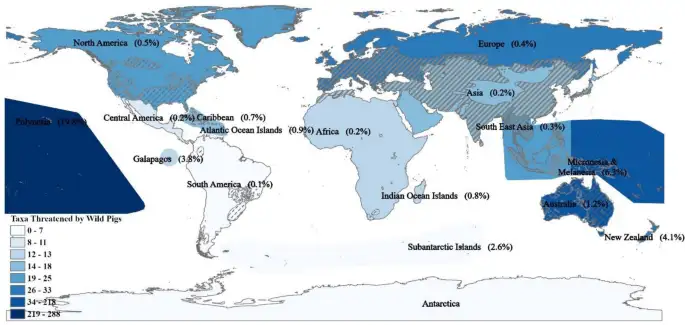
The broader ecological footprint of invasive wild pigs has been a subject of ongoing scientific inquiry. Reviews dating back to February 2022 and June 2021 have cataloged the global impact of Sus scrofa on terrestrial biodiversity, examining their role in ecosystems across native and introduced ranges. These reviews underscore the significant, and often detrimental, influence these animals exert on native fauna and flora. However, the recent findings regarding their unexpected role in managing invasive plant populations add a new layer of complexity to the ongoing debate about their ecological status and management strategies.