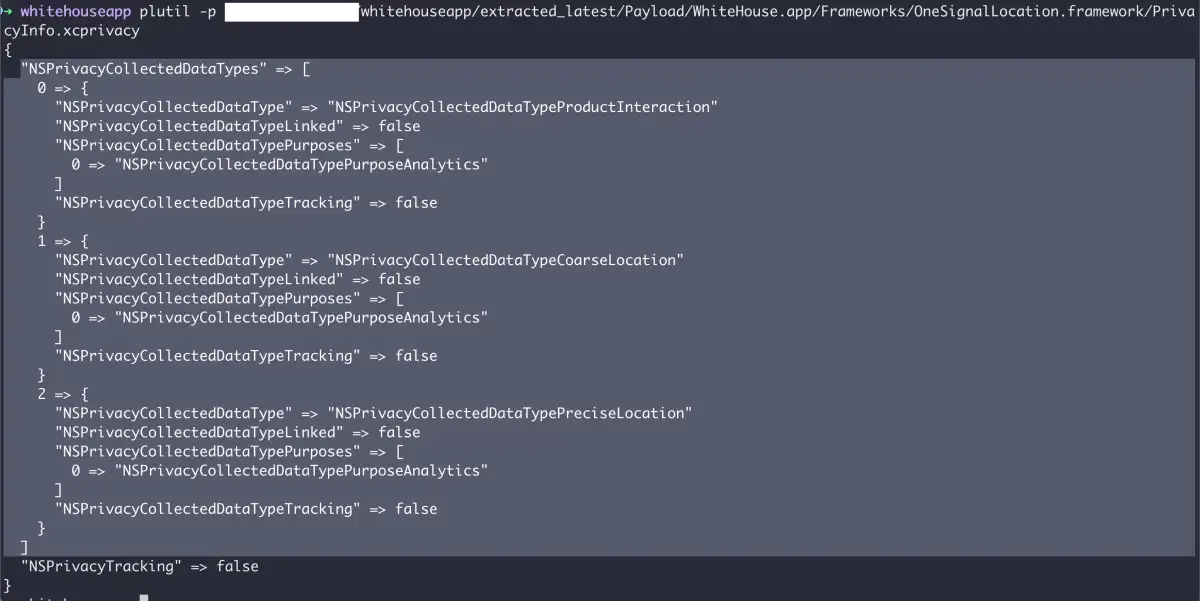
Concerns are mounting over the new 'White House' mobile application, with reports detailing significant cybersecurity vulnerabilities and a puzzling lack of transparency regarding user data. The app allegedly shares user information, including IP addresses and time zones, with unspecified third-party services, a practice not clearly disclosed to its users. Furthermore, the application incorporates software components originating from a company founded in Russia, raising additional questions about data security and potential foreign influence.
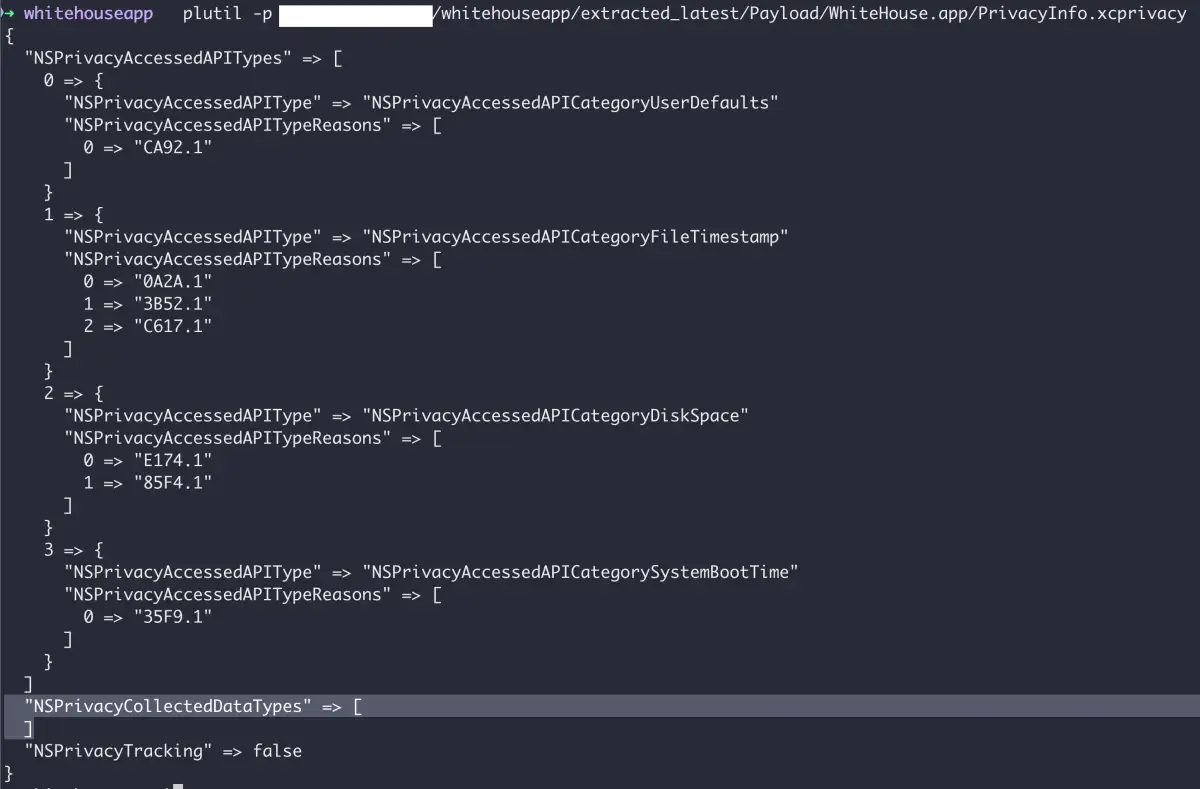
Experts have flagged the app's rudimentary coding and inadequate security considerations, especially for an official government platform. Reports indicate that users might reasonably expect their data to remain within government systems, rather than being routed to commercial entities. The app's privacy policy is reportedly blank, and it has been observed to strip privacy consent banners from websites viewed within its integrated browser.
Read More: AI Startups Change Consulting Business Data and Strategy in 2024

App's Data Practices Under Scrutiny
Further analysis reveals that the 'White House' app may collect and transmit user location data, potentially at intervals as frequent as every 4.5 minutes. This information is reportedly sent to a third-party server, with technical assessments suggesting the inclusion of components like OneSignal's GPS pipeline. While the White House has stated the app does not collect user locations, cybersecurity researchers have presented evidence suggesting otherwise, including requests for precise and background location permissions on Android devices.
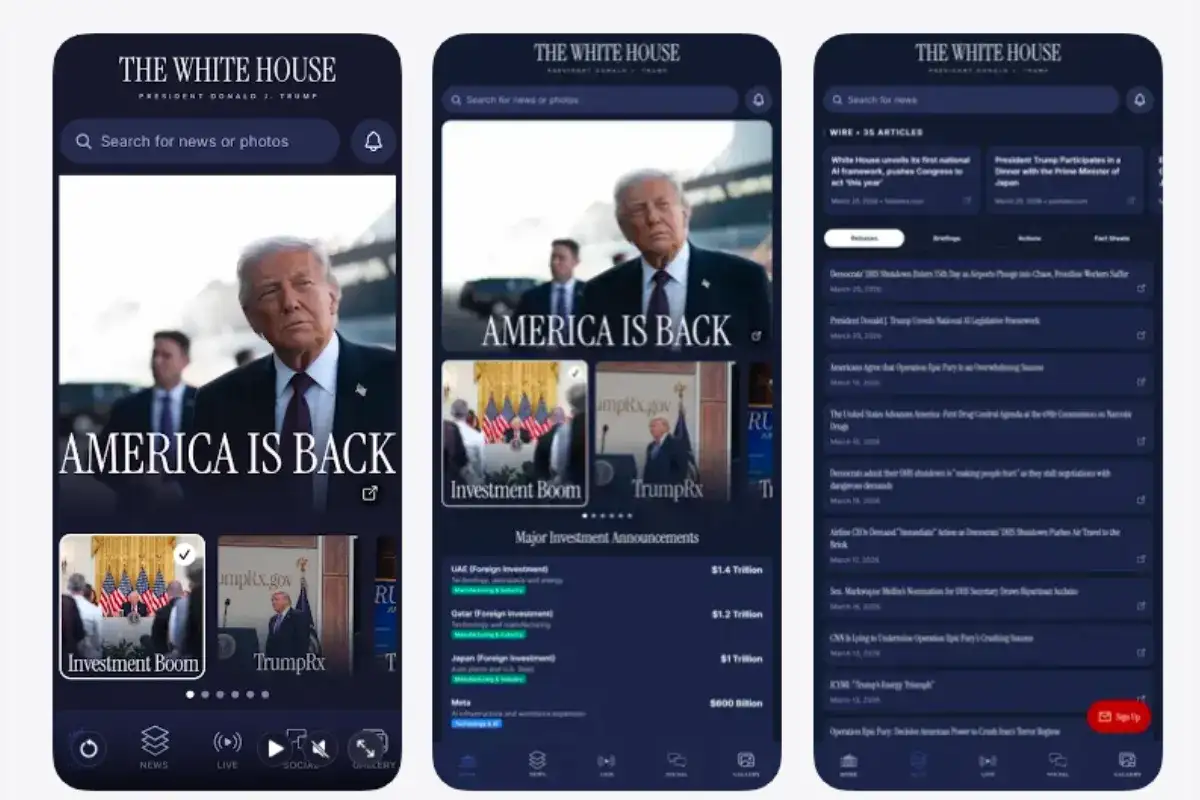
The app's integration of YouTube video embeds, which reportedly load from a random GitHub user's personal page, has also drawn criticism. This reliance on external, potentially insecure sources introduces risks of data exposure and compromise if the associated account is breached.
Background and Broader Implications
The 'White House' app, promoted by President Donald Trump, has seen substantial downloads, climbing to be among the most downloaded items on app stores. Its purpose, beyond disseminating updates from Trump's social media feeds and including a tip line for reporting suspected criminal activity, has been questioned. Some commentators suggest it aligns with an effort to create a "state media apparatus" as an alternative to traditional news outlets, aiming to reassure supporters during turbulent times.
Read More: Montreal mandates 3 days in office for 6,000 city workers starting September
The perceived amateurish development and apparent lack of robust security measures for such a high-profile government application have led some to label it a "cybersecurity nightmare." The lack of a specific, detailed privacy policy exacerbates these concerns, leaving users uncertain about how their data is handled, retained, and secured.