


Vivo's upcoming device, rumored to be the Vivo X300 Ultra, is poised to disrupt the premium smartphone market, potentially challenging Apple's iPhone 17 Pro Max and Samsung's Galaxy S26 Ultra with advanced camera technology. The centerpiece of this challenge is a new Samsung HPE sensor paired with a fifth-generation, 200-megapixel Zeiss "Thanos" periscope telephoto lens. This combination promises significant advancements in color reproduction, focus accuracy, HDR capabilities, and power efficiency, with a particular emphasis on an enhanced stabilization system.
The Vivo X300 Ultra's photographic aspirations seem to target the high-end segment, where the iPhone 17 Pro Max and Galaxy S26 Ultra are already entrenched. Initial reports suggest that if Vivo delivers on even half of these rumored camera upgrades, the existing market leaders may face considerable pressure. This comes at a time when the comparison between the iPhone 17 Pro Max and Galaxy S26 Ultra themselves is already a focal point for consumers, with ongoing discussions about their respective strengths in displays, design, camera performance, and processing power.
Shifting Sands in the Premium Smartphone Arena
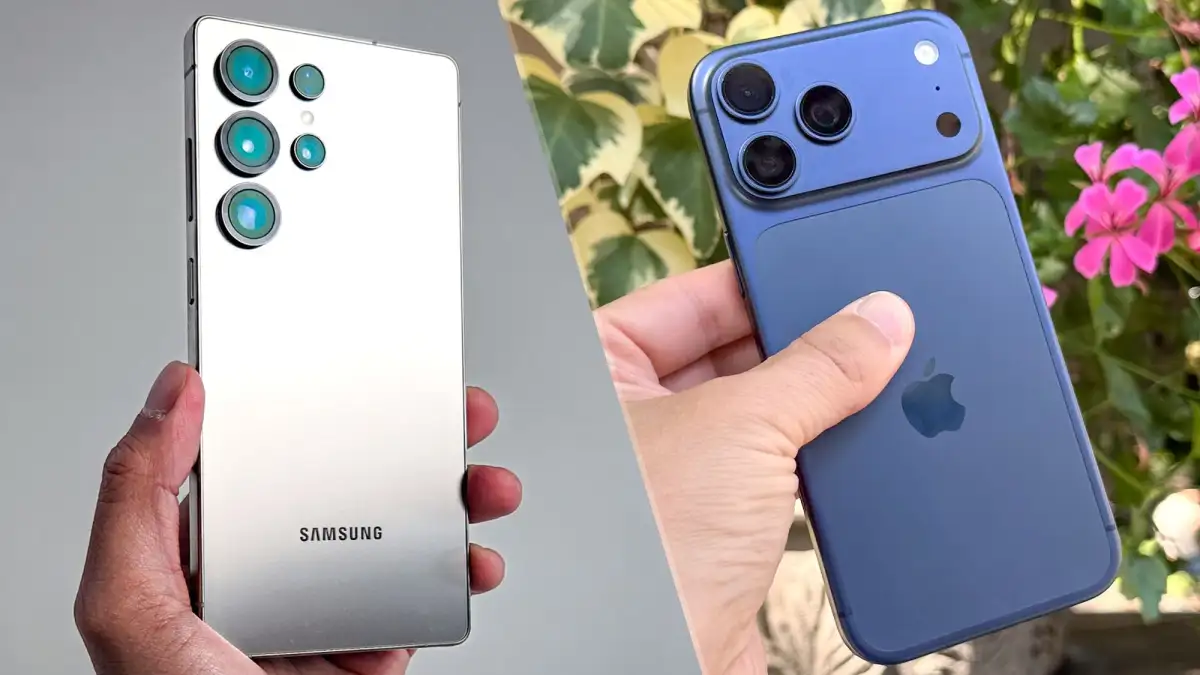
The narrative surrounding the Samsung Galaxy S26 Ultra and Apple iPhone 17 Pro Max has been one of escalating competition. Samsung, with its S26 Ultra, is positioning itself as an ambitious challenger, focusing on cutting-edge features and AI integration, exemplified by its touted 'Galaxy AI' and Gemini capabilities. This approach caters to users seeking extensive customization and powerful camera functionality. Samsung also offers features like a 'Privacy Display' that alters screen visibility from side angles, and a notable advantage in wired charging speeds at 60W.
Read More: Chrome mimeHandler API lets extensions handle file types
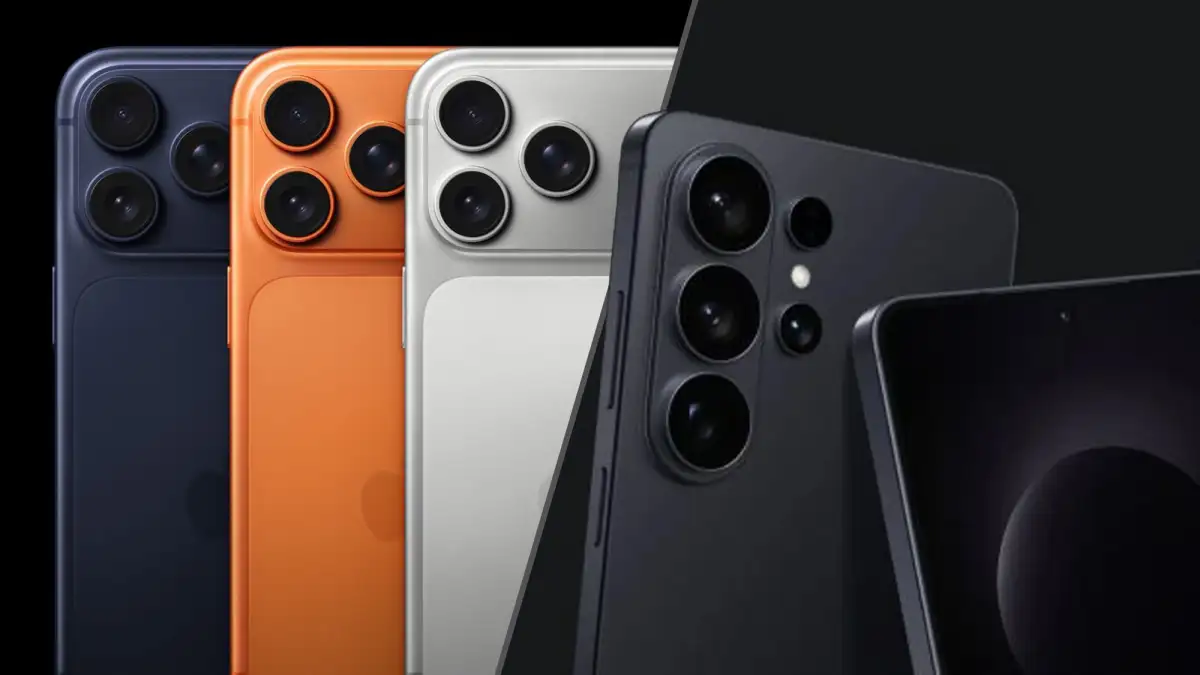
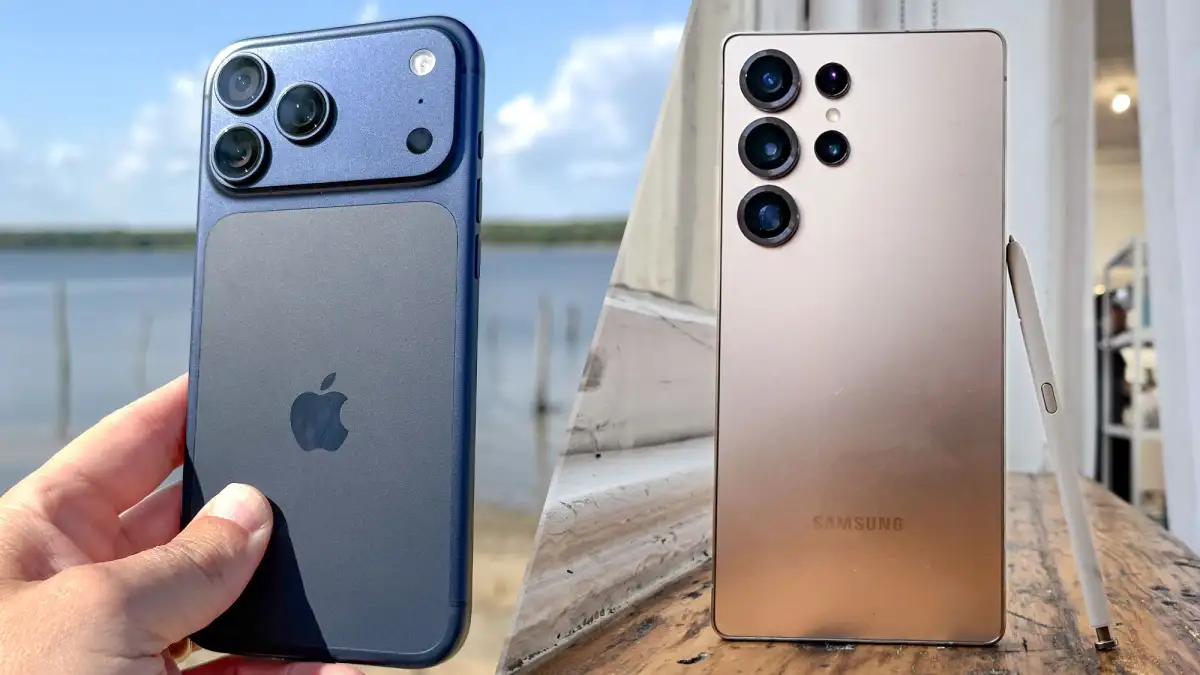
Apple, conversely, continues its strategy of refinement and ecosystem integration with the iPhone 17 Pro Max. While the S26 Ultra is noted for its raw processing power and flexibility, the iPhone 17 Pro Max is praised for effortless performance through its software integration and a more polished, cinematic feel. The iPhone 17 Pro Max features a new two-toned design and has adopted a full 48MP resolution across its three rear cameras, a first for Apple. Its battery capacity is listed at 4,823mAh. Comparisons indicate Samsung's results can be punchier, while Apple tends to maintain a more natural skin tone profile.
Feature Showdowns and Consumer Choices
The decision between the Galaxy S26 Ultra and iPhone 17 Pro Max often boils down to user priorities. Those valuing raw processing and advanced AI might lean towards the S26 Ultra, which is presented as the device for users who desire the highest raw processing and AI performance. This includes features like hardware-based privacy tools. The iPhone 17 Pro Max, on the other hand, appeals to users who prioritize Apple's established privacy stance and a cohesive, stable user experience. Its A19 Pro chip is recognized as a top performer, exceeding the A18 Pro chip found in previous models. The pricing for both devices hovers around the $1,300 mark, with the S26 Ultra sometimes positioned as offering stronger spec-based value, while the iPhone 17 Pro Max justifies its cost through its ecosystem and long-term user experience.
Read More: Pixel 10 US models go eSIM only, international models keep physical SIM

Background: A Landscape of Iterative Advancements
The recent releases and anticipated launches in the premium smartphone sector highlight a continued emphasis on camera technology, processing power, and the integration of artificial intelligence. Samsung's Galaxy S series, particularly the Ultra models, have consistently pushed the envelope in hardware capabilities and feature sets. Apple's iPhone Pro Max line, while often perceived as more conservative in its hardware leaps, focuses on optimizing the user experience through software and its tightly integrated ecosystem. The emergence of brands like Vivo, with bold claims about their camera systems, indicates a widening competitive landscape, forcing established players to not only innovate but also to publicly defend their market positions through comparative benchmarks and feature rollouts. The technical specifications, such as megapixel counts and sensor technologies, become key battlegrounds in this ongoing technological arms race.
Read More: BEREC Asks for Mobile Network API Ideas from Developers





