Recent studies suggest that certain video games and cognitive training programs may offer significant, lasting protection against dementia. While not a standalone solution, engaging in these activities appears to foster enduring changes in the brain, potentially delaying or preventing cognitive decline for years. Research highlights specific types of training, such as speed-of-processing, as particularly promising.
Understanding Cognitive Training and Dementia Risk
Dementia is a condition that affects memory and thinking. It can make daily tasks difficult. Scientists are exploring ways to help protect the brain and slow down cognitive decline. One area of focus is "cognitive training," which involves exercises and games designed to challenge the brain.

Types of Cognitive Training: Research has looked at different kinds of training, including:
Speed training
Memory training
Reasoning training
Specialized brain training games
Complex commercial games (action and strategy)
Cognitive Decline: This refers to a weakening of mental abilities that can happen with age. It is a risk factor for dementia.
Dementia: This is a general term for a decline in mental ability severe enough to interfere with daily life.
Evidence for Lasting Brain Changes
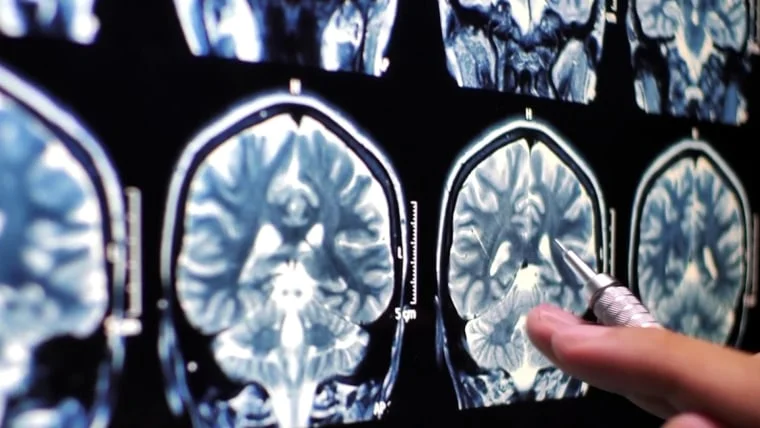
A large, long-term study provided strong evidence that cognitive training can lead to lasting positive changes in the brain. Participants in this study were divided into groups that received different types of cognitive training or no training at all.
Read More: New Papers Show Epstein Had Health Problems with Sex Hormones
Key Finding: Approximately half of the participants in each training group received additional "booster" training for up to three years.
Observed Effect: Experts consider these findings to be the strongest evidence to date that cognitive training can create changes in the brain that last for a long time.
Impact of Speed-of-Processing Training
Studies focusing on speed-of-processing training have yielded some of the most encouraging long-term data. This type of training aims to improve how quickly the brain can take in and process information.
Focus of Training: This training specifically targets the brain's ability to handle information rapidly.
Long-Term Data: Research in this area has provided the most positive results regarding sustained cognitive benefits.
Video Games as a Tool for Brain Health
Video games are being explored for their potential to enhance brain health, both in preventing cognitive decline and in managing symptoms for those already experiencing it.
Read More: Amazon Prime Was Faster and Saved People Money in 2025
Dual Approach: Research groups games into specialized brain training programs and complex commercial games not designed for training but that challenge cognitive skills.
Engagement is Key: For video games to be effective therapies, players need to be engaged. Researchers are developing ways to measure this engagement, noting that games are most engaging when they are not too easy or too difficult.
Exergaming's Role: "Exergaming," or exercise video games, have also shown positive impacts. One study found that these games could positively affect gray and white matter in the brain, with links to improved cognitive performance in individuals with mild cognitive impairment.
Integrating Cognitive Gaming into Daily Life
While the evidence for cognitive training and gaming is promising, experts emphasize that it should be seen as part of a larger plan for brain health.
Read More: Actor James Van Der Beek Dies at 48 from Bowel Cancer; Early Signs Often Missed

Broader Lifestyle: Integrating cognitive gaming into a routine is recommended as one component of a broader brain-healthy lifestyle.
Not a Cure-All: It is not viewed as a standalone defense against cognitive decline or dementia.
Challenging and Enjoyable: Experts suggest choosing brain games that are challenging and enjoyable to encourage regular play.
Expert Analysis and Further Research
Scientists are continuing to investigate the effects of various games and training methods on cognitive function and dementia risk.
Study Design: Research has involved testing computerized brain games and traditional puzzles like crossword puzzles to see if they can slow the progression of mild cognitive impairment.
Measurement of Engagement: New methods are being developed to measure player engagement, which is crucial for developing effective gaming therapies.
Varied Outcomes: It is noted that not all brain games are equally effective, and research is ongoing to determine which types yield the best results.
Conclusion and Implications
The existing body of research indicates a strong potential for cognitive training and specific types of video games to offer significant and long-lasting brain health benefits, including protection against dementia. The most promising findings come from studies involving speed-of-processing training and exergaming, showing measurable positive changes in brain matter and cognitive function. However, these interventions are best understood as components within a comprehensive approach to maintaining brain health, alongside other healthy lifestyle choices. Continued research is vital to refine these methods and fully understand their long-term impact.
Read More: Why Some Programmers Choose Special Languages
Sources Used:
NBC News: Reports on a large, long-term study showing cognitive training may protect the brain against dementia for decades.
Link:
https://www.nbcnews.com/health/aging/brain-training-game-protect-dementia-research-decades-alzheimers-rcna257790Knowridge: Discusses the development of methods to measure player engagement in video games, a step towards using them as therapies for cognitive decline.
Link:
https://knowridge.com/2025/09/video-games-could-boost-brain-health-in-people-with-dementia/Biology Insights: Examines the science behind cognitive enhancement through video games, categorizing game types and highlighting speed-of-processing training.
Link:
https://biologyinsights.com/do-video-games-prevent-dementia-what-the-science-says/Psychology Today: Questions whether brain games improve cognitive function and discusses research on computerized brain games and crossword puzzles for mild cognitive impairment.
Link:
https://www.psychologytoday.com/us/blog/evidence-based-living/202211/do-brain-games-help-prevent-dementiaGames Learning Society: Poses questions about the effectiveness of brain games and video games in improving memory and preventing dementia.
Link:
https://www.gameslearningsociety.org/does-playing-video-games-help-prevent-dementia/Eureka Health: Asks whether memory exercises and brain games truly prevent dementia, noting that not all brain games are equal.
Link:
https://www.eurekahealth.com/resources/memory-exercises-brain-games-prevent-dementia-enMedical News Today: Reports on a study suggesting exergaming may positively impact brain matter and cognitive function in people with mild cognitive impairment.
Link:
https://www.medicalnewstoday.com/articles/video-games-that-help-you-exercise-may-also-keep-the-brain-fit-study-showsPMC (PubMed Central): A systematic and bibliographic review on dementia and video games.
Link:
https://pmc.ncbi.nlm.nih.gov/articles/PMC11593771/(Note: This is a review article citing other research.)dodefy.com: Explores how physical and digital games, including board games and VR simulations, can support brain health and potentially prevent dementia.
Link:
https://www.dodefy.com/articles-posts/games-that-sharpen-the-mind-how-physical-and-digital-games-can-help-prevent-dementiaaskchapter.org: Discusses cognitive decline and the role of leisure activities, including games like crossword puzzles and board games, in protecting against cognitive decline.
Link:
https://askchapter.org/magazine/senior-health-wellness/aging-well/best-brain-games-for-seniors
Read More: Know the Early Signs of Colon Cancer




:max_bytes(150000):strip_icc()/VWH_EarlySignsofColonCancer-be7dc99d4bfb4a37b2e6bec8d9f4cfd7.png)