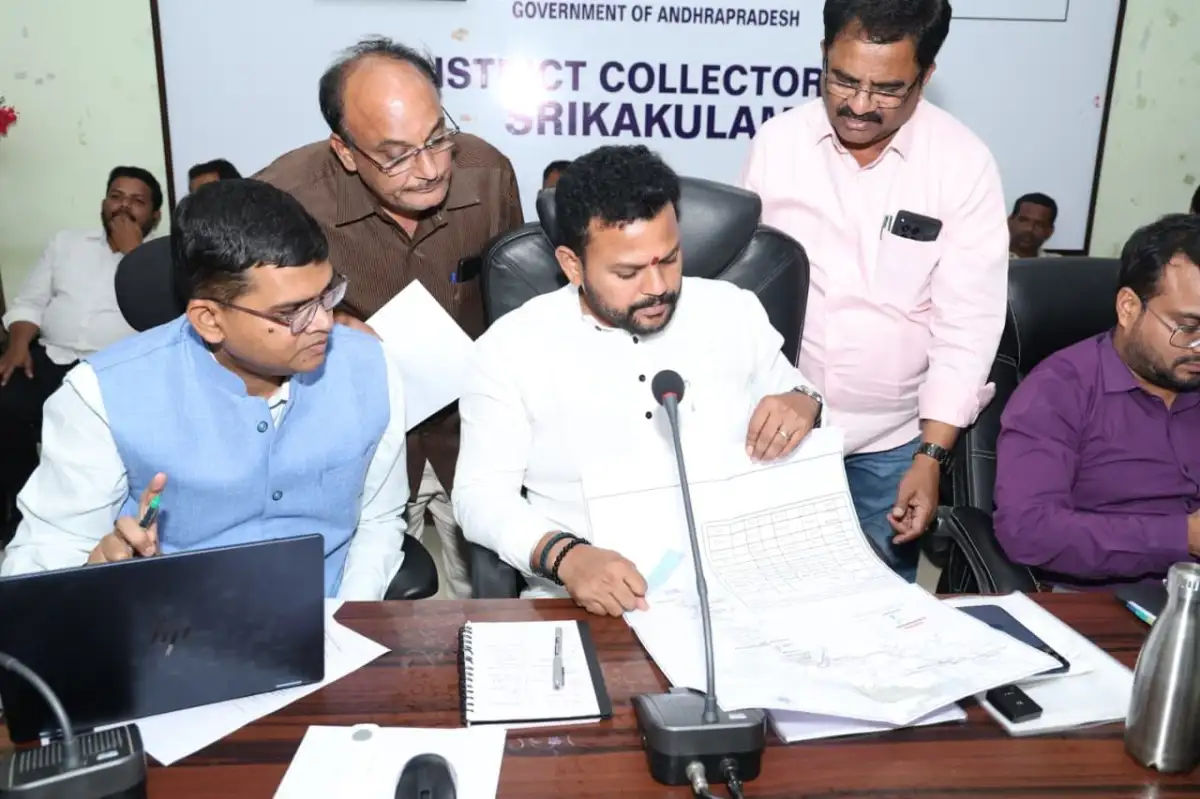
SRIKAKULAM: Local officials assert an imminent finish for key aspects of the Vamsadhara Lift Irrigation Scheme, targeting completion by April. This push aims to provide assured water to approximately 3,850 acres of land. Parallel efforts are underway for the Tamara Lift Irrigation Scheme, intended to channel water from the Mahendratanaya River for both irrigation and drinking purposes. Project sites in Hiramandalam have been visited by officials, with assurances of works concluding in the coming weeks. The plan includes developing canals and distributary networks to ensure water reaches tail-end areas, with suggestions to also develop the project as a tourist attraction.
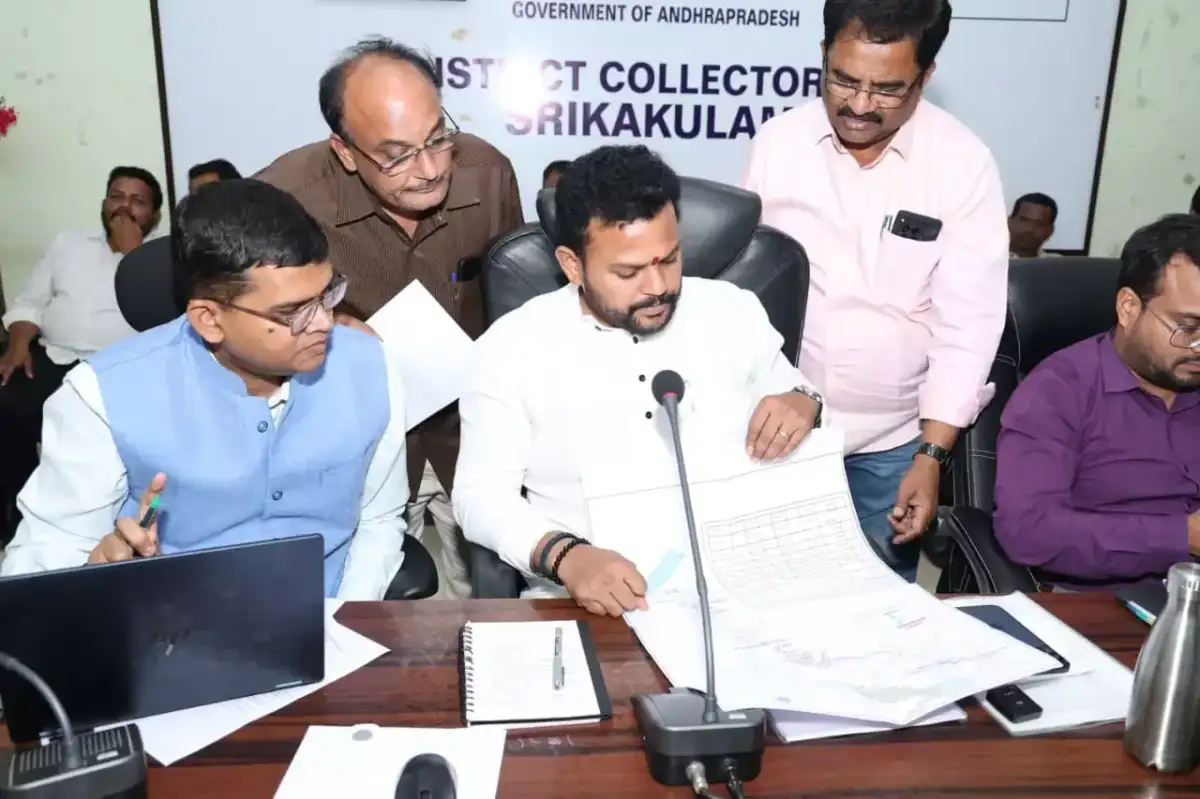
The broader B.R.R. Vamsadhara Project has seen recent focus from central government figures, emphasizing a commitment to expediting irrigation works in Srikakulam. Updates on the Neradi Barrage have been sought, and a detailed report on pending payments, including a ₹12 crore allocation for Gotta Barrage apron works, has been requested.
Read More: Andhra Pradesh Polavaram Dam Project to Finish by July 2027 to Give Water to Rayalaseema
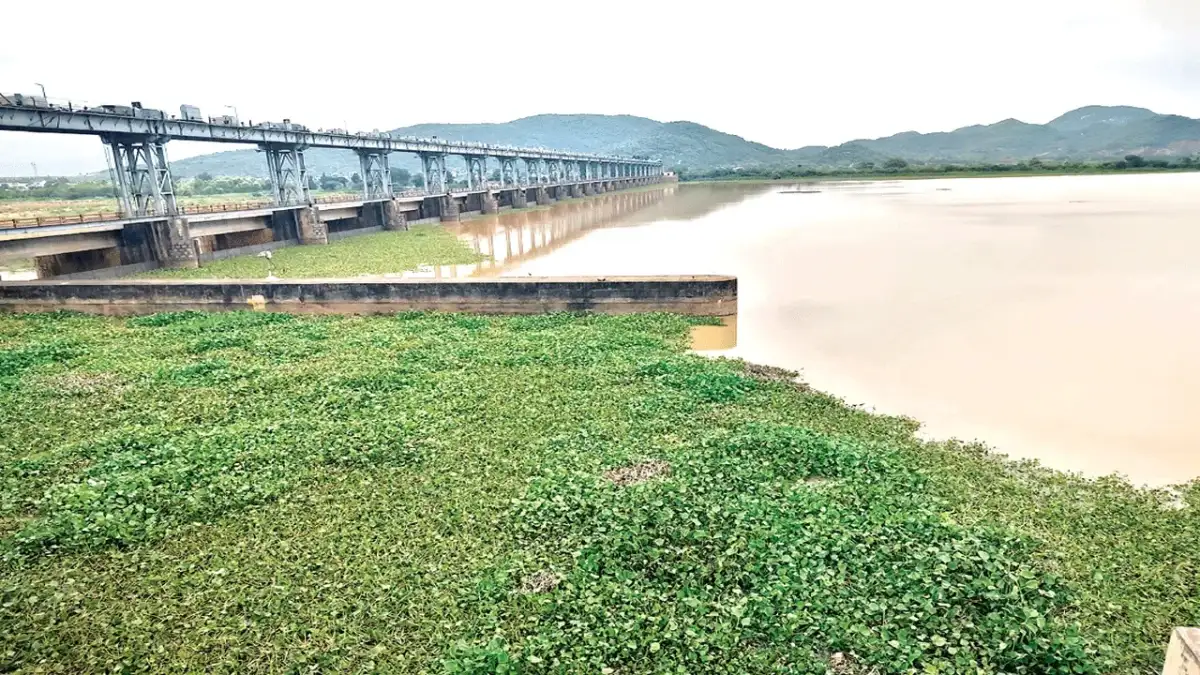
Historically, the Vamsadhara river has been a point of contention between Andhra Pradesh and Odisha, primarily concerning water sharing and infrastructure development. Odisha's reservations about land and water security have complicated Andhra Pradesh's irrigation-focused development plans, leading to hesitations in providing necessary land and considering alternative water transfer options.
Project Scope and Infrastructure
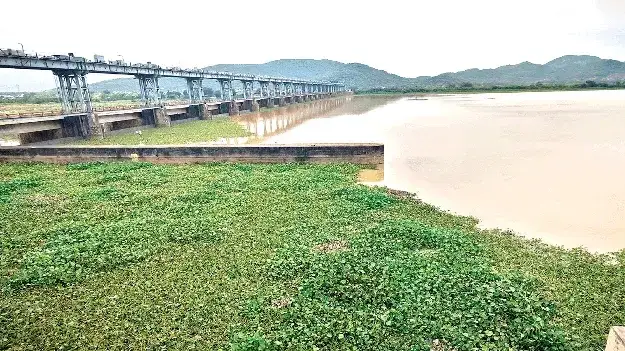
The Vamsadhara Project itself, as outlined in project overviews, involves constructing a barrage across the Vamsadhara River. The overarching goal is to irrigate over 255,000 acres in stages. Phase II of the project includes a 300-meter side weir and a 34 km flood flow canal with balancing reservoirs. The existing system, as per the Water Resources Department, irrigates substantial acreage through various canals, including the Left Main Canal and Right Main Canal of Gotta Barrage, and the TPR Narayanapuram Anicut System.
Read More: Andhra University Adds More Seats for B.Tech Courses

Recent water releases have occurred via the Vamsadhara Project's Left Main Canal, supplying irrigation to numerous villages across multiple mandals, benefiting a significant number of acres. This flow is contingent on rainfall within the river's catchment area, ensuring sufficient water levels.
Environmental Concerns and Monitoring
Beyond infrastructure and administrative progress, the Vamsadhara River faces environmental challenges. Reports highlight issues of pollution, encroachments, and what is termed "poor governance," leading to ecological decline. There's an acknowledgement that without community involvement and accountability, river restoration efforts may not be sustainable. Efficient water use is also linked to improving groundwater recharge.
To ensure structural integrity and safe water management for projects like Vamsadhara Phase II, advanced monitoring solutions have been implemented. These include instruments like piezometers, uplift pressure cells, and strain meters, providing real-time data on the performance of the infrastructure.
Read More: Andhra Pradesh government spends ₹150 crore to fix Dowleswaram Barrage gates to save farm water
Background
The Vamsadhara River originates in the Eastern Ghats of Odisha and flows into Srikakulam District, Andhra Pradesh, eventually meeting the Bay of Bengal. The district is nourished by several rivers, including the Nagavali, Suvarnamukhi, Vegavathi, Mahendratanaya, Gomukhi, Champavathi, and Bahuda, with the Vamsadhara being a primary source for irrigation. The 'Vamsadhara' name itself, meaning 'flow of the Vamsam', underscores its vital role in the region.