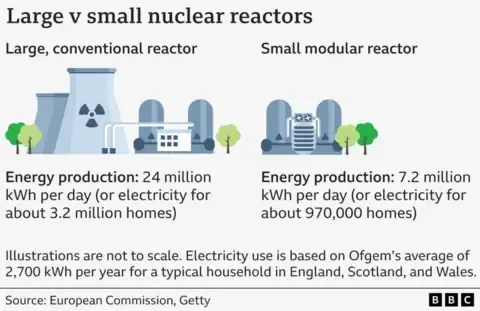
Wylfa, Anglesey - A new chapter in the United Kingdom's energy landscape is unfolding as Rolls-Royce SMR and Great British Energy-Nuclear (GBE-N) officially contract to initiate immediate design and on-site work for the nation's first Small Modular Reactor (SMR) nuclear power station. The agreement, signed today, paves the way for the development of three Rolls-Royce SMRs at the Wylfa site on Ynys Môn (Anglesey). This venture signals a significant industrial undertaking, promising the creation of thousands of jobs, with projections of 3,000 local positions and an additional 5,000 UK-wide.
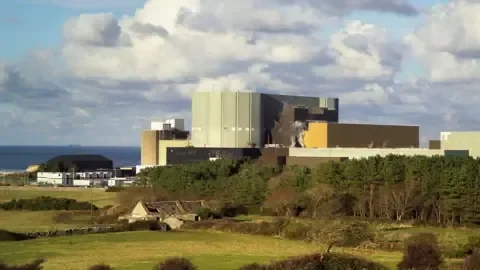
Project Scope and Economic Impact
The Wylfa facility, situated on the northern coast of Anglesey, is slated to host the UK's first three SMRs, with the site holding potential capacity for up to eight such units. Each individual reactor is anticipated to supply power for approximately 1,000,000 homes. This development is presented as a substantial, long-term investment aimed at bolstering the UK's industrial supply chain and fostering energy independence.
Read More: Home Devices Use Power When Off, Costing You Money
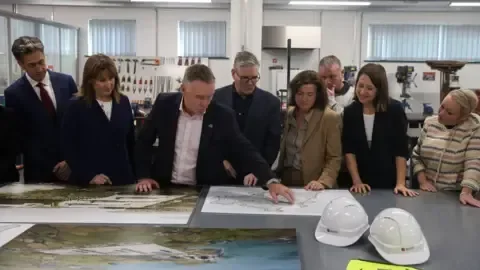
The commencement of work on the Wylfa SMR facility represents a concrete step toward a new generation of nuclear power in the UK, backed by substantial job creation and an ambition for energy security.
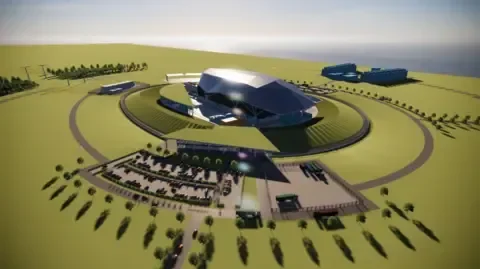
Official Declarations and Ambitions
Government statements frame this initiative as a pivotal moment in a "golden age" of nuclear power, intended to overcome past "dither and delay." The project is lauded as the most significant industrial investment in North Wales in a generation. Official pronouncements emphasize the role of SMRs as a more flexible and potentially faster alternative to traditional large-scale nuclear plants, which have historically faced considerable cost overruns and delays.

Technological and Strategic Considerations
Small Modular Reactors are characterized by their factory-built, modular design, intended for easier and more cost-effective deployment compared to conventional nuclear power stations. This approach aligns with a broader government strategy to unlock "advanced nuclear" technologies, positioning the UK as a leader in clean energy and supporting industries like artificial intelligence.
Read More: Wales Schools Won't Ban Phones Nationwide, First Minister Says
Industry Perspectives
The Nuclear Industry Association has welcomed the move, terming it a "historic moment" for Wales and the UK's clean energy future. Rolls-Royce SMR has indicated plans for a broader fleet of SMR sites across the UK and potential exports of the technology. The company has framed this as the "first step in what will be a 100-year commitment" to clean energy and innovation at Wylfa.
Geopolitical Nuances
The decision to proceed with SMRs at Wylfa has drawn some international attention. Reports indicate that the US government had reportedly favored a different path, expressing a preference for Westinghouse to build a larger reactor at the site. This stance was articulated by the US Ambassador to the UK, who reportedly suggested that a large-scale plant offered a more direct route to addressing energy prices and availability.
Read More: BP Chairman Manifold Removed Over Governance Issues
Background: Wylfa's Nuclear Heritage
The Wylfa site is not new to nuclear power; it was previously home to a Magnox nuclear power station, with its second reactor ceasing operations in 2015. The current development marks the first new nuclear plant in Wales in over half a century. The selection of Anglesey followed deliberations that reportedly considered other locations, such as Oldbury in Gloucestershire.
Ancillary Developments
Concurrently, the North Wales region has been designated as an Artificial Intelligence (AI) Growth Zone, a partnership involving various academic institutions and industrial entities. This initiative aims to leverage advanced manufacturing strengths in the area to support SMR module production, both domestically and for export.