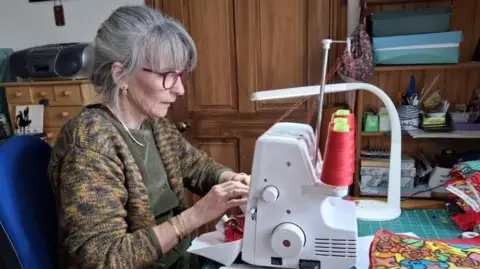
In a quiet assertion against material scarcity and social constraint, a growing network of sewing groups across Britain is tackling 'period poverty' head-on. These collective efforts, driven by ordinary citizens with sewing machines and spare time, focus on creating reusable sanitary products. The tangible outcome is a redistribution of dignity and enablement, particularly for women and girls who might otherwise face disruption to their education and work due to the unaffordability or inaccessibility of menstrual supplies.

The core of this grassroots movement involves the creation of reusable menstrual pad kits. These kits, often distributed globally to refugees and vulnerable populations, are designed to circumvent the ongoing cost of disposable products. Initiatives like 'The Pachamama Project' and various local groups, including one in Nottinghamshire where thousands of handmade pads have already been distributed, highlight a deliberate push to provide sustainable alternatives. The emphasis is on self-sufficiency and empowerment, aiming to keep girls in school and women in employment by addressing a fundamental biological need.
Read More: India IVF Costs And Social Barriers Limit Access In April 2026

Local Efforts, Global Reach
From Clun in Shropshire, where the idea germinated from pandemic-era sewing projects, to the Salvation Army community centre in Atherton, the pattern repeats. Volunteers express a shared conviction: no woman or girl should suffer because she cannot afford basic menstrual hygiene. The products themselves are often thoughtfully designed. Reports detail kits containing over-the-shoulder bags, waterproof-lined pads, soap, and separate pouches for used items, alongside reusable flannel cloths.

A Zero-Commitment, High-Impact Endeavor
Participation in these sewing initiatives often carries a "zero-commitment" tag, allowing individuals to contribute at their own pace and around existing schedules. This flexible model is crucial for mobilizing a broad base of volunteers, who may possess basic sewing skills and access to a machine. Resources such as instructions and templates are frequently provided by the organizing charities, lowering the barrier to entry.
Read More: WNBA Players Face Online Harassment Increases in April 2026

"We've got massive choice in supermarkets we just go and buy what we want, but still in so many places there are women and children who have nothing." - Anonymous volunteer quote, referencing the stark contrast between accessible consumer markets and unmet basic needs.
The impact, though often unquantified in grand economic terms, is framed in terms of restored dignity and the uninterrupted pursuit of life's necessities – education, work, and the basic freedom to navigate one's own body with a measure of comfort and self-respect. These reusable pads are designed for longevity, with some materials indicating a lifespan of at least five years, further underscoring their sustainable ethos.
Contextualizing the Cause
'Period poverty' refers to the lack of access to menstrual products, hygiene facilities, waste management, and education, often exacerbated by socioeconomic disadvantage and the rising cost of living. While governments and larger organizations grapple with policy solutions, these sewing groups represent a powerful manifestation of community-driven action, addressing an immediate and often overlooked need with practical, empowering solutions. The movement's reach, extending from local communities to global distribution networks, signifies a complex interplay of local needs and transnational solidarity.
Read More: Georgia Toffolo's Lake Como Trip After Fertility Talks