


A recent period of significant upheaval within the UK Prime Minister's Number 10 operation has led to the resignations of key aides, Morgan McSweeney and Tim Allan. The departures have prompted Keir Starmer to address his staff, emphasizing the potential for politics to be a "force for good" and attempting to quell speculation about his own leadership. The situation unfolds against a backdrop of internal party pressure and upcoming electoral tests.

The immediate timeline indicates that Morgan McSweeney, the Prime Minister's chief of staff, stepped down approximately 20 hours prior to this report. This was followed by the resignation of Tim Allan, the Director of Communications, approximately 3 hours before this report. These events occurred following scrutiny related to Lord Mandelson's appointment as UK ambassador to the US, a decision linked to concerns over Mandelson's past associations with financier Jeffrey Epstein.
Read More: UK Labour PM Starmer faces crisis as 4 ministers quit, market costs rise this week

Political Fallout and Staffing Challenges
The resignations of McSweeney and Allan represent a substantial shift in the Prime Minister's inner circle. McSweeney's departure, in particular, is viewed by some as a move to placate internal dissent. Sources suggest that McSweeney himself was initially resistant to leaving his post. Allan's exit creates a vacancy for the fifth Director of Communications under Starmer's leadership, highlighting a pattern of instability in that crucial role.
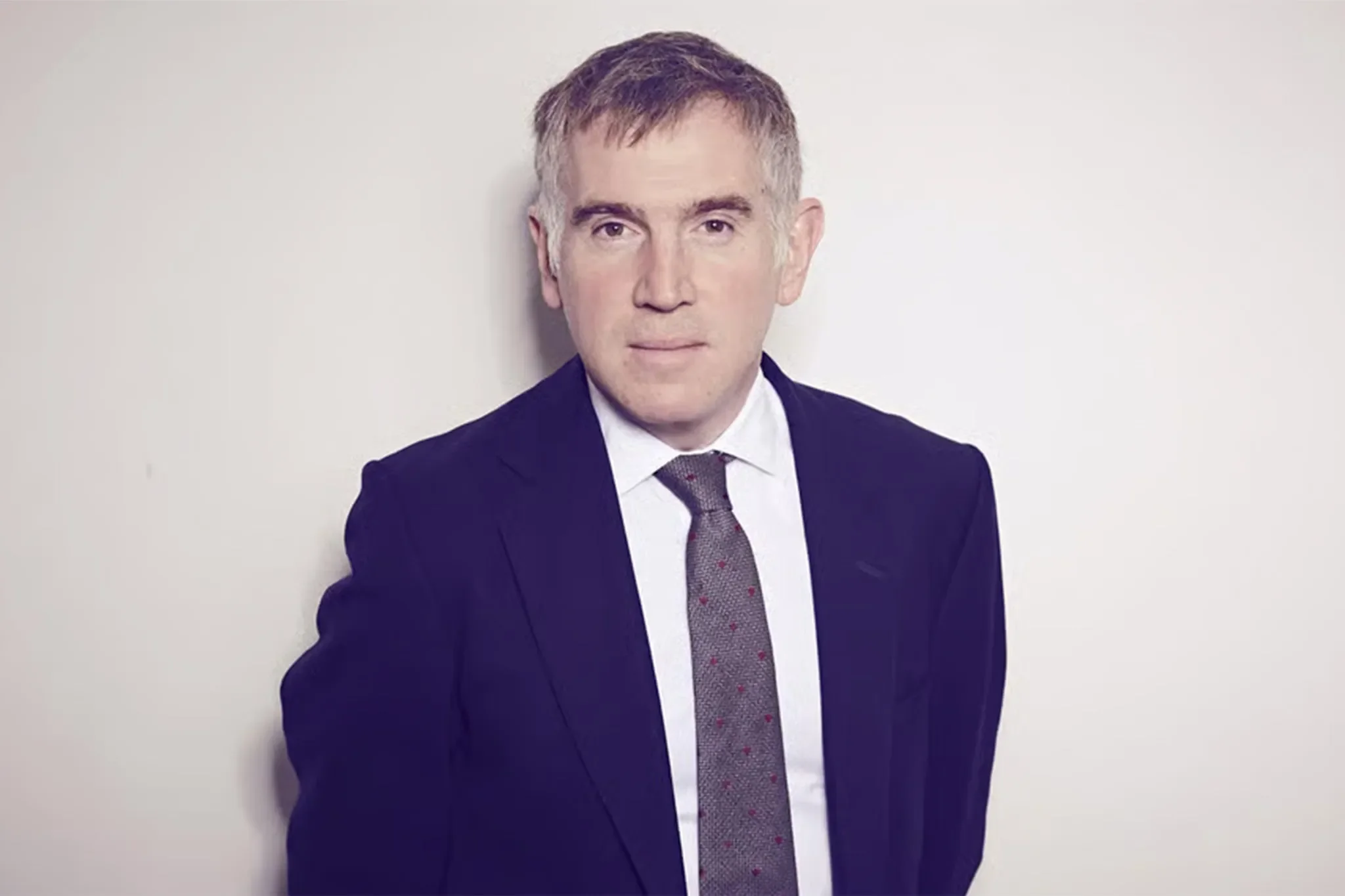
McSweeney's Role: As Chief of Staff, McSweeney was a close ally of Starmer. His departure is seen by some as a sacrifice intended to alleviate pressure from within the Labour party.
Allan's Position: The Director of Communications role has seen considerable turnover, with Allan's resignation marking the fifth change in this position since Starmer became Prime Minister.
Mandelson Controversy: The appointment of Lord Mandelson to the US ambassador role, despite his past connections to Jeffrey Epstein, has been a significant point of contention, reportedly fueling demands for McSweeney's dismissal.
Internal Party Dynamics and Electoral Benchmarks
The staffing changes have intensified internal party discussions. Some Labour MPs had openly called for McSweeney's dismissal, viewing his continued presence as a hindrance. There are reports that Starmer himself had expressed a desire for his chief of staff to remain.
The broader political context includes upcoming by-elections in Gorton and Denton, as well as elections in Wales. These contests are described by a Welsh Labour MP as "crucial" and will serve as an indicator of public sentiment towards the current administration. The results are expected to be a basis for judging the Prime Minister's performance.
Read More: PM Modi Cuts Convoy Size By Half To Save Fuel
Conflicting Narratives on Leadership and Accountability
Internal communications from Starmer aim to project an image of stability and resolve. He has reportedly sought to reassure Number 10 staff that he does not intend to resign, framing the political process as capable of being a "force for good." He has also acknowledged McSweeney as a friend and colleague, emphasizing his dedication.
Conversely, critical perspectives highlight a sense of disarray. One analysis suggests McSweeney's exit indicates Number 10 is in "full-blown survival mode," implying that the departure of a close ally is an attempt by the Prime Minister to retain his own position. Questions have been raised about Starmer's judgment, with one commentator asking when he began to "believe everything that people told him," in reference to his role as chief prosecutor.
Evidence and Statements
Starmer's Statement: Following the resignations, Starmer addressed Number 10 staff, stating, "I wish the PM and his team every success." He also remarked, "politics can be a force for good." (Source: The Guardian)
Criticism of Starmer: A commentator observed, "He made a bad decision, he should take responsibility for that… this man said that he was the chief prosecutor for the country, when did he start believing everything that people told him?" (Source: The Guardian)
McSweeney's Departure: "This is about a prime minister sacrificing his closest ally in No 10 in the hope that he can remain in post. McSweeney's departure will not solve that." (Source: Sky News)
MP Demands: "Labour MPs demanded Starmer dismiss McSweeney, whom they blame for Mandelson’s appointment as UK ambassador to US despite the peer’s links to paedophile financier Jeffrey Epstein." (Source: iNews)
Election Significance: A Welsh Labour MP stated, "Depending on what happens there, then I think we judge the prime minister on those events and the results that the Labour Party gets." (Source: BBC News)
Expert Analysis
"Morgan McSweeney's exit shows No 10 in full-blown survival mode. This is about a prime minister sacrificing his closest ally in No 10 in the hope that he can remain in post."— Sky News analysis
"The government appears to be collapsing into chaos."— Unattributed quote within The Guardian article, reflecting a critical viewpoint.
"Allies of Morgan McSweeney, No 10’s chief of staff, said he was determined not to quit, even as Labour MPs continued to call for Sir Keir Starmer to fire him."— iNews report detailing internal party pressure.
Conclusion and Implications
The recent resignations of Morgan McSweeney and Tim Allan from Keir Starmer's Number 10 team have introduced a period of considerable political flux. The departures, linked in part to the controversial appointment of Lord Mandelson, have exposed internal party divisions and raised questions about leadership stability. Starmer's efforts to reassure staff and project a message of resilience are set against a backdrop of criticism and upcoming electoral challenges. The outcome of these challenges will likely serve as a key indicator of the public's assessment of the current political landscape and Starmer's leadership.
Read More: Angela Rayner says blocking Andy Burnham from Parliament was a mistake
Sources:
The Guardian: "Starmer tells No 10 staff politics can be ‘force for good’ after McSweeney and Allan resignations – live" Published 3 hours ago. https://www.theguardian.com/politics/live/2026/feb/09/starmer-mandelson-epstein-labour-mcsweeney-conservatives-latest-news-updates - Provides quotes from Starmer and critical commentary.
BBC News: "Keir Starmer latest: Director of communications Tim Allan quits, after Morgan McSweeney steps down" Published 21 hours ago. https://www.bbc.com/news/live/c74wd01egvyt - Details Allan's resignation and the significance of upcoming elections.
Order-Order: "Starmer Tries to Reassure No10 Staff He Won't Resign" Published 12 hours ago. https://order-order.com/2026/02/09/starmer-tries-to-reassure-no10-staff-he-wont-resign/ - Focuses on Starmer's internal messaging and attempts to allay leadership fears.
Sky News: "Morgan McSweeney's exit shows No 10 in full-blown survival mode" Published 20 hours ago. https://news.sky.com/story/morgan-mcsweeneys-exit-shows-no-10-in-full-blown-survival-mode-13504982 - Offers analysis on McSweeney's resignation as a sign of leadership crisis.
iNews: "Starmer urged to sack his No 10 chief. Insiders fear he would go 'full Cummings'" Published 2 days ago. https://inews.co.uk/news/politics/starmer-sack-no10-chief-insiders-fear-full-cummings-4219959 - Details the calls for McSweeney's dismissal and internal party opposition.
The Independent: "Starmer latest: Another key aide steps down in fresh blow for embattled PM" Published 49 minutes ago. https://www.independent.co.uk/news/uk/politics/starmer-mcsweeney-resign-mandelson-labour-epstein-latest-news-b2916472.html - Provides a concise update on the unfolding situation.


