A large surplus in the UK government's finances for January has been reported, marking a record for the month. However, this figure fell short of expectations from financial experts, leading to increased scrutiny of the government's tax and spending plans. The situation highlights a complex economic picture, with some revenue streams performing well while broader borrowing levels remain a concern.
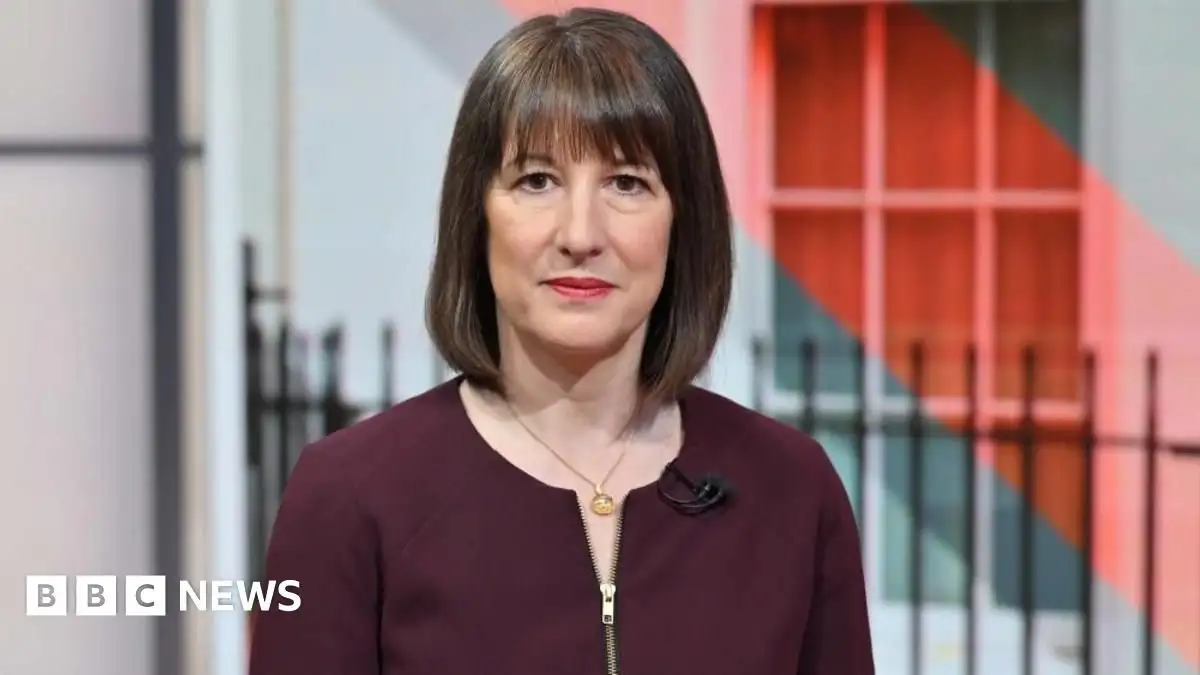
January's public finances saw a significant surplus of £15.4 billion. This was driven by a notable increase in tax revenues, particularly from self-assessment payments due by the end of the month. This surplus is the largest recorded for any January since monthly records began in 1993.
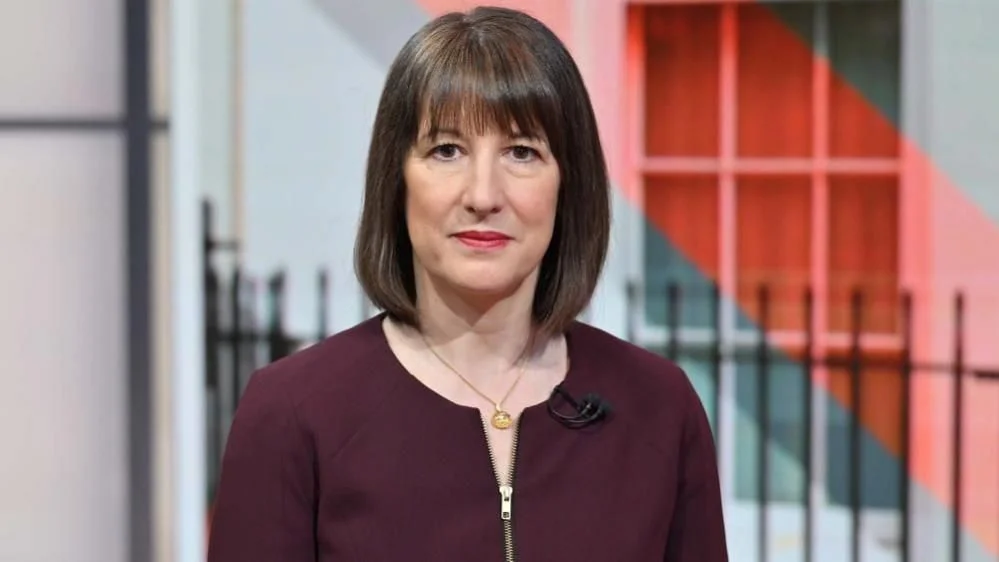
Despite this record surplus, the figures were below the predictions of economists and official forecasts. This divergence has intensified pressure on Chancellor Rachel Reeves as she prepares for upcoming economic updates. While the government highlights the positive surplus, analyses suggest that overall borrowing for the fiscal year is higher than anticipated.
Read More: Why AI Market Growth Is Slowing Down As Of April 2026

The Office for National Statistics (ONS) reported the £15.4 billion surplus for January.
This surplus was the highest cash surplus in nominal terms for any January.
However, the surplus was £5.1 billion less than forecast by the Office for Budget Responsibility (OBR).
This shortfall implies higher government borrowing than planned.
Tax Revenue Boost and Underperforming Forecasts
January is a customary period for increased tax collections due to the deadline for self-assessment income tax and capital gains tax payments. This year, these receipts provided a significant uplift to government finances.

Tax receipts, excluding self-assessment, were reported to be nearly £5 billion below OBR forecasts for the year leading up to January.
This suggests underlying economic challenges may be beginning to affect public finances more broadly.
The government has emphasized its commitment to "economic stability and meeting our non-negotiable fiscal rules."
A line-by-line spending review has been initiated, the first in 17 years, to align spending with national priorities.
Increased Borrowing and Fiscal Headroom Concerns
While the January surplus offers some positive news, the broader picture indicates increased borrowing for the fiscal year to date. This trend, coupled with higher spending, particularly on debt interest, has narrowed the government's fiscal headroom.
Total government borrowing for the fiscal year to date (2024-25) stood at £118.2 billion, which is £12.8 billion more than forecast by the OBR.
Higher market interest rates and gilt yields have also impacted borrowing costs.
The Chancellor's buffer against her fiscal mandate, estimated to be around £10 billion, is now seen as vulnerable.
Experts suggest this narrowing headroom puts the Chancellor in a position where she may need to consider raising taxes or implementing spending cuts to meet her fiscal targets.
Divergent Interpretations and Future Pressures
The release of these figures has generated differing perspectives on the health of the UK's public finances and the government's fiscal strategy.
Optimistic View: Record January Surplus
Proponents of this view point to the absolute record of the January surplus as a sign of fiscal resilience and effective tax collection mechanisms.
The £15.4 billion surplus in January is highlighted as a significant achievement.
This indicates a strong performance in self-assessment tax receipts, a crucial part of government income.
The government emphasizes its commitment to fiscal rules and careful management of public funds.
Cautious View: Missed Forecasts and Rising Borrowing
Critics and financial analysts focus on the surplus falling short of expectations and the overall increase in borrowing, suggesting underlying economic weakness.
Read More: EV Sales Stable Despite Lower Fuel Prices Since April 2026
The fact that the surplus missed official and market forecasts is a key concern.
Higher-than-expected borrowing for the fiscal year raises questions about the sustainability of current spending.
Separate figures indicated that retail sales in the UK rebounded in January, largely due to strong food sales, which might have contributed to tax revenues. This point could be seen as a mitigating factor for overall economic activity.
Increased spending on public services, benefits, and debt interest are noted as contributing factors to the higher borrowing.
Expert Analysis
"The expected boost from self-assessment tax receipts in January was not enough to bring the public finances under control, which will disappoint the Chancellor as she prepares for her first Spring Forecast."— Alison Ring, director of public sector and taxation, at accounting body ICEAW
"January tax receipts usually boost the public finances as people rush to file their tax returns."— Cara Pacitti, senior economist at the Resolution Foundation
"Higher market interest rate expectations and gilt yields than at the time of October’s Budget alone suggest the Chancellor’s headroom against her fiscal mandate has been whittled down from £9.9 billion to £2.8 billion."— Analysis cited in Article 4
Conclusion and Implications
The latest figures on UK government finances present a complex scenario. While January's record surplus demonstrates a strong inflow of tax revenue, its failure to meet forecasts, combined with rising overall borrowing, suggests that significant fiscal challenges remain. The narrowing fiscal headroom puts pressure on the Chancellor to potentially make difficult decisions regarding taxation and spending in the near future.
The situation implies:
A continued focus on managing debt interest costs, which are susceptible to interest rate fluctuations.
The government's commitment to its fiscal rules will be tested, possibly requiring policy adjustments.
The economic performance will be closely monitored to see if it can generate sufficient revenue to meet spending commitments and reduce borrowing.
Sources Used
The Guardian: UK posts largest ever budget surpus in January, thanks to boost in tax revenues – business live
BBC News: Government finances in surplus but pressure builds on Reeves
The Standard: Record January tax surplus of £15.4 billion falls short of City forecasts
Sky News: More pressure to raise taxes or cut spending - despite greatest budget surplus since records began
BM Magazine: Government’s January surplus disappoints at £15.4bn, piling pressure on Chancellor
Resolution Foundation: Despite a record surplus in January, tax receipts disappoint, leaving the Chancellor’s fiscal rules on a knife edge