The dream of homeownership in the UK just got a whole lot more expensive. For the first time ever, the average house price has officially crossed the £300,000 mark, according to the latest figures from Halifax. This milestone, while seemingly a badge of honour for a "resilient market," casts a long shadow over aspiring homeowners, particularly those just starting out. While some celebrate rising values, the reality for many is a tightening grip on affordability, raising urgent questions about who truly benefits from this unprecedented surge.
A Historic Milestone, But What's Driving It?
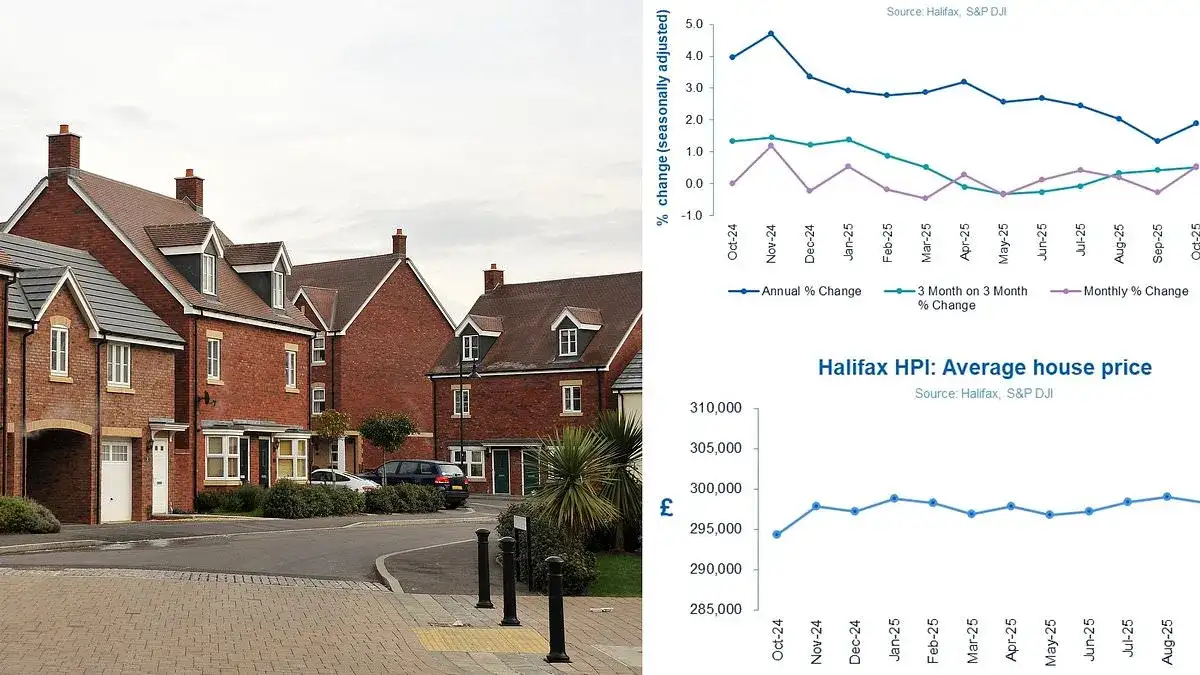
The data from Halifax, part of Lloyds Banking Group, one of the UK's largest mortgage lenders, revealed that the average UK property price hit £300,077 in January. This isn't just a minor tick upwards; it represents a significant psychological and financial barrier being broken.

The Context: This price surge comes despite hints from the Bank of England about potential interest rate cuts later this year, a move usually expected to ease mortgage costs. Yet, the market has pushed past £300,000.
Different Surveys, Different Stories: It's crucial to note that different surveys calculate average house prices in varying ways, often based on their own mortgage lending data. Halifax's figures tend to be higher than many other reports.
Past Tremors: This isn't the first time the market has flirted with this barrier. Reports from September and November of last year (2025) showed prices hovering just below, at £299,331 and close to £300,000, respectively. These earlier reports also highlighted strong growth, particularly in the North East and Scotland.
"The average UK property price rose to £300,077 in January." - Halifax (via BBC News)
The North-South Divide Widens: Regional Disparities Exposed
While the national average crosses a significant threshold, the reality on the ground is far from uniform. A striking north-south divide in property values and growth is becoming increasingly pronounced.
Read More: Joe Wicks Sells His Big House in the Cotswolds for £3.2 Million
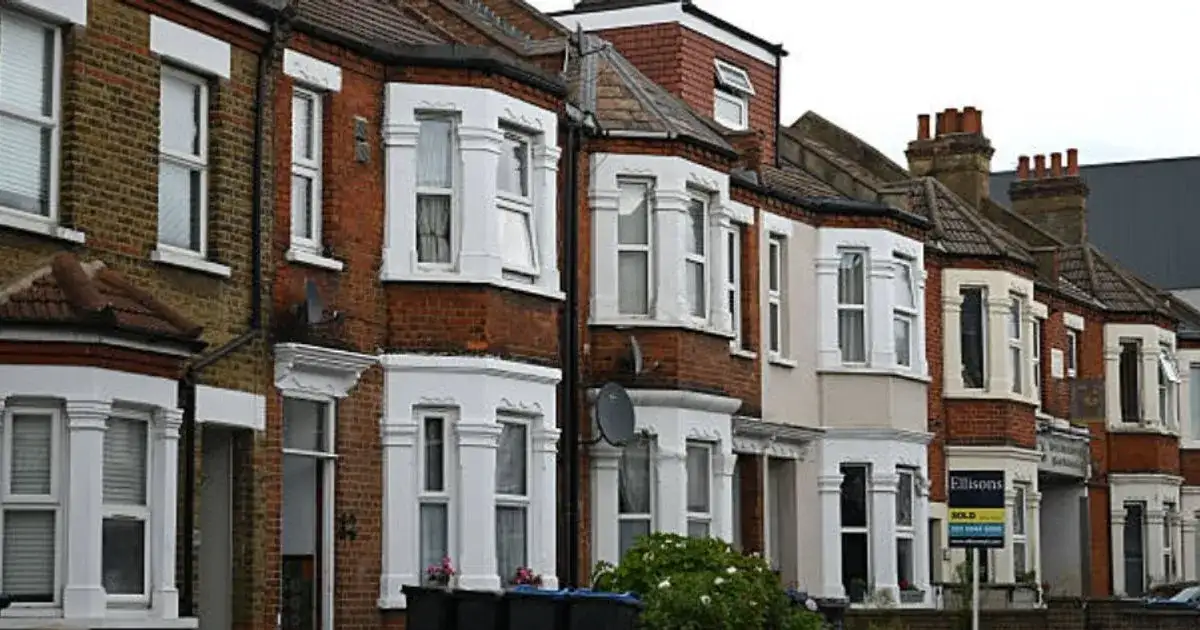
Northern Strength: Data from Halifax shows that northern regions of England are experiencing the strongest growth. This is a stark contrast to previous periods where southern regions often led the way.
| Region | Avg. Price (Jan) | Annual Change |
|—-|—-|—-|
| North East | £181,198 | 1.2% |
| North West | £244,329 | 2.1% |
| Yorkshire and the Humber | £217,516 | 0.9% |
Southern Slump: Conversely, many southern regions have seen price declines, particularly in commuter belts and expensive areas.
| Region | Avg. Price (Jan) | Annual Change |
|—-|—-|—-|
| Eastern England | £332,366 | -1.2% |
| South East | £385,086 | -1.6% |
| South West | £303,625 | -1.6% |
London's Highs and Lows: Even within England, the disparities are stark. London remains the most expensive region at £538,600, but it has seen a decline of 1.3% in prices. This suggests that even the capital's premium market is not immune to the pressures affecting other high-cost areas.
"Southern regions have experienced price declines. Regional variations in performance have grown more distinct, creating a clear north-south divide across the country." - Property Reporter
Key Question: What is driving this widening regional disparity? Are cheaper mortgages in the north finally unlocking demand, or are higher borrowing costs and taxes disproportionately hitting affordability in the south, forcing prices down?
The First-Time Buyer's Plight: Affordability Under Siege
For those hoping to step onto the property ladder for the first time, the £300,000 mark is not a celebration; it's a fresh barrier. The increasing average price directly translates to greater deposit requirements and higher mortgage payments.
Stretched Affordability: Experts like Karen Noye, a mortgage expert at wealth manager Quilter, are blunt: "Crossing the £300,000 threshold will be welcome news for existing homeowners, but it’s yet another nail in the coffin for first‑time buyers already battling stretched affordability."
Return of Buyers: Reports suggest a surge in buyer confidence and activity in January, with many who paused their search last year now returning. While this might seem positive, it also increases competition, potentially driving prices up further and making it even harder for new entrants.
The increasing demand, coupled with rising prices, creates a feedback loop that makes entry-level housing increasingly unattainable.
Mortgage Rate Jitters: While the Bank of England hints at cuts, mortgage rates have been "sticky" and even nudged up recently. This uncertainty around borrowing costs adds another layer of anxiety for first-time buyers who are particularly sensitive to these fluctuations.
"First-time buyers still face a daunting hurdle while many existing homeowners are reluctant to take on new borrowing, keeping transaction volumes depressed." - Anonymous Expert (via Kent Online)
Probing Questions:
What specific policies or market forces are making housing so unaffordable for younger generations?
Are lenders and the government doing enough to support first-time buyers, or are they implicitly favouring existing homeowners through rising asset values?
If interest rates do fall, will this simply inflate prices further, or will it genuinely improve affordability for those struggling?
Market Momentum: A Balanced Outlook or a Risky Ascent?
Despite the affordability concerns, many in the property industry express optimism about the market's current momentum, predicting a more balanced and active year ahead.
Increased Activity: Estate agents reported a busy January, with an "increased flow of homes being brought to market" and growing confidence among both buyers and sellers.
| Industry Voice | Sentiment | Reason/Observation |
|—-|—-|—-|
| Nathan Emerson (Propertymark) | Encouraged | Increased flow of homes, growing buyer/seller confidence. |
| Jeremy Leaf (Estate Agent) | "On the move" | Market is definitely active. |
| Jason Tebb (OnTheMarket) | Boosted by clarity | Post-Budget, buyers/sellers proceeding. |
Measured Growth Expected: While the market is active, rapid price rises are not necessarily anticipated. Higher stock levels mean buyers have more choice, which is expected to "keep a lid on rapid rises."
Long-Term Health: Some believe the return of "discretionary buyers" (those less sensitive to immediate mortgage costs) is a positive sign for the "long-term health of the market."
"For both buyers and sellers, 2026 is shaping up to be a more balanced and active market." - Independent (quoting market experts)
Critical Considerations:
Is this "momentum" sustainable, or is it a temporary surge fuelled by pent-up demand and a belief that rates will eventually fall?
How will continued high prices impact the broader economy if wage growth doesn't keep pace?
What are the risks if interest rates don't fall as anticipated, or if they remain higher for longer?
Conclusion: A Market Divided
The £300,000 average house price milestone is a stark indicator of a UK housing market that, while appearing robust on the surface, is deeply divided. Existing homeowners, particularly in regions with rising values, are likely seeing their equity grow. However, the dream of owning a home is becoming increasingly elusive for first-time buyers, who face a dual challenge of soaring prices and uncertain mortgage costs.
Read More: Goldman Sachs predicts 15 million US jobs lost to AI by 2036
The clear north-south divide, the sustained demand, and the complex interplay of interest rates and affordability paint a picture of a market under pressure. While some foresee a balanced year, the fundamental question remains: can this price growth be sustained without further alienating a generation of potential homeowners? The economic implications of a market that benefits the already invested while excluding new entrants are significant and demand urgent scrutiny.
Sources:
BBC News: https://www.bbc.co.uk/news/articles/c0jvjp14qjzo (Published: 34 minutes ago)
The Independent: https://www.independent.co.uk/money/halifax-wage-growth-bank-of-england-knight-frank-london-b2915147.html (Published: 16 minutes ago)
Birmingham Mail: https://www.birminghammail.co.uk/news/cost-of-living/average-uk-house-price-hits-33373711 (Published: 8 hours ago)
Property Reporter: https://www.propertyreporter.co.uk/average-uk-home-breaks-300000-barrier-in-january-halifax.html (Published: 28 minutes ago)
This Is Money: https://www.thisismoney.co.uk/money/mortgageshome/article-15268433/House-prices-hit-new-record-high-nearly-300-000-says-Halifax-values-rise-fastest-pace-January.html (Published: Nov 9, 2025)
Kent Online: https://www.kentonline.co.uk/news/national/average-uk-house-price-hits-new-record-high-of-299-331-in-august-says-halifax-153955/ (Published: Sep 5, 2025)
Inkl: https://www.inkl.com/news/ftse-100-live-06-february-average-house-price-tops-300-000-index-seen-lower (Published: 8 hours ago)