Rising Need and Declining Support Strain Food Bank Operations
United Kingdom - Food banks across the UK are experiencing a significant increase in demand while simultaneously facing a decline in donations, a situation that is straining their ability to provide essential support. This dual pressure is forcing some food banks to ration supplies and even dip into their financial reserves.
Key developments
Increased Demand: More people are relying on food banks due to rising living costs and economic hardship.
Decreased Donations: Fewer donations, both in terms of food items and financial contributions, are being received.
Operational Strain: Food banks are struggling to meet the growing need, leading to rationing and depletion of reserves.
Cost of Living Crisis Fuels Unprecedented Demand
The current economic climate, characterized by the cost-of-living crisis, is a primary driver behind the escalating need for food bank services. Reports indicate a "tsunami of need" with record numbers of emergency food parcels being distributed.
Record Parcel Distribution: The Trussell Trust reported 1.3 million emergency food parcels given out between April and September of a recent year, a figure higher than ever before.
Working Individuals Affected: A notable trend is the increasing number of individuals in employment who are still unable to afford essentials, with one in five food bank users working.
Vulnerable Groups Disproportionately Impacted: Those with mental health conditions are particularly affected, as worrying about food exacerbates their distress and hinders recovery. Mental health workers have noted a rise in patients struggling to afford food.
Donations Fall Short Amidst Economic Hardship
The capacity of the public to donate is being tested as more individuals themselves experience financial difficulties. This has led to a noticeable drop in both food and monetary contributions.

"Decrease in Donations": Appeals for help have been launched as donations "decrease" while demand rises.
"People feeling the pinch": Local reports indicate that "people feeling the pinch" are donating less.
Shift in Donor Circumstances: Historically, those "just managing themselves" have been significant donors. However, this group is also now facing increased financial strain.
Food Banks Adapt to Shifting Needs and Resource Constraints
Faced with these challenges, food banks are implementing strategies to manage their resources and adapt to the changing landscape of need and support.
Read More: BT Adds £13.09 Charge to Landline Bills for UK Customers Starting Next Month
Rationing and Depleting Reserves
Some food banks have been compelled to ration food parcels and utilize their financial reserves to sustain operations.
"Forced to ration parcels": Reports indicate food banks are "forced to ration parcels" and are "dipping into cash reserves".
"Turning families away": In some instances, food banks have been "forced to turn families away" due to a lack of supplies.
Reserve Stock Depletion: One major charity has "used up its reserve stock", which would typically provide a buffer for winter months.
Adjusting Operations and Item Preferences
Operational adjustments are being made to accommodate the needs of those who rely on these services, including working individuals. Furthermore, the types of donations sought are also evolving.
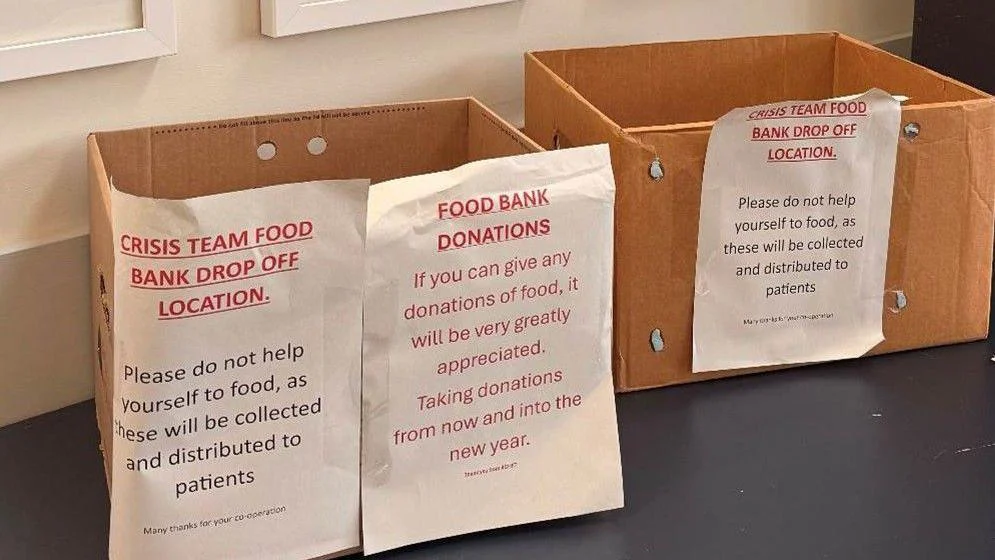
Accommodating Working People: Food banks are changing opening times to allow working individuals to collect parcels outside of work hours.
Energy Costs Impacting Use: Concerns have been raised that some recipients cannot afford to heat food, leading to food banks avoiding donations of items requiring cooking.
Specific Donation Needs: Appeals often include specific requests for tinned goods, tea, coffee, long-life juices, and milk, rice, and pasta.
Expert Perspectives on the Crisis
Organisations and individuals involved in the food bank network have voiced their concerns about the sustainability of current support systems.
"Food poverty disproportionately affects those living with a mental health condition and we're seeing first-hand how worrying about food can worsen distress and slow down recovery. Nobody should have to worry about whether they will be able to eat."— Helene Madden, Senior Nurse Practitioner
"This week, Iceland boss Richard Walker reportedly said that food banks are turning away potatoes and other goods which require heating because people can’t afford the energy to cook them, a scenario Goodwin said is not uncommon across IFAN food banks."— Big Issue reporting on commentary from IFAN representatives
"The charity warns that short-term interventions are neither sustainable for government nor dignified for people who are struggling, and they don’t solve the longer-term problem of people having to rely on food banks."— UNISON, National
Conclusion: A Sustained Challenge Requiring Broader Solutions
The current situation for UK food banks highlights a persistent and growing problem of food insecurity, exacerbated by economic pressures. The interplay of increased demand and reduced donations creates a precarious environment for both service providers and the individuals they serve.
Escalating Need: The data clearly shows a sustained rise in the number of people requiring emergency food aid.
Resource Depletion: Food banks are operating under significant strain, with reserves being depleted and calls for donations becoming more urgent.
Beyond Short-Term Fixes: There is an emerging consensus that short-term interventions are insufficient, pointing towards a need for broader societal and governmental strategies to address the root causes of food poverty.
Key Sources Used:
BBC News (Article 1): Focuses on a specific donation appeal in Wolverhampton linked to mental health support and food bank referral delays.
https://www.bbc.co.uk/news/articles/cyv5ve6dvqeo
Daily Post (Article 2): Reports on a donation appeal in North Wales due to a spike in demand driven by the cost-of-living crisis.
https://www.dailypost.co.uk/news/north-wales-news/food-bank-donation-appeal-cost-28223996

The Big Issue (Article 3): Details how food banks are being forced to ration and use financial reserves as donations decrease.
https://www.bigissue.co.uk/news/social-justice/food-banks-forced-to-ration-parcels-and-dip-into-cash-reserves-as-donations-drop/
Read More: Remote Youth Face Fewer Jobs Than City Youth, New Study Shows
UNISON (Article 4): Highlights the pressure on food banks due to a surge in demand and the changing demographics of users, including employed individuals.
https://www.unison.org.uk/news/2022/11/food-banks-under-pressure-from-a-tsunami-of-need/
Manchester Evening News (Article 5): Covers how rising living costs are impacting donations and leading to shortages at food banks.
https://www.manchestereveningnews.co.uk/news/uk-news/its-bad-time-food-banks-25107072
BBC News (Article 6): Features a donation appeal from a Hull food bank facing unsustainable demand.
https://www.bbc.com/news/uk-england-humber-63114357
Civil Society (Article 7): Discusses how the pandemic impacted food banks, leading to both increased need and decreased donations due to panic buying.
https://www.civilsociety.co.uk/news/charities-warn-coronavirus-will-hit-vulnerable-as-some-foodbanks-struggle-for-supplies.html
Sky News (Article 8): Reports on a food bank charity's emergency appeal amid a rise in need and concerns about the "hardest winter yet."
https://news.sky.com/story/food-bank-charity-launches-first-ever-emergency-appeal-amid-devastating-rise-in-need-12724635
The Conversation (Article 9): Analyzes the surge in food bank donations during the pandemic but notes underlying issues that signal future trouble.
https://theconversation.com/food-bank-donations-surged-during-the-pandemic-but-look-closely-at-the-data-and-theres-trouble-ahead-142113