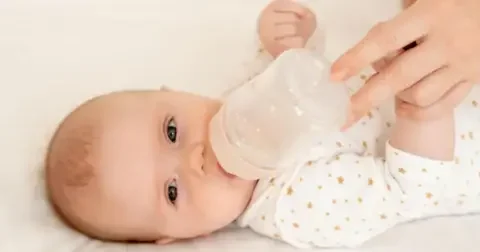
The unsettling reality of contaminated baby formula is back, casting a long shadow of fear over parents desperately trying to nourish their infants. Multiple major brands, including Aptamil, Cow & Gate, and SMA, are facing widening recalls due to the potential presence of a dangerous toxin, cereulide. This isn't just a minor inconvenience; it's a crisis of trust, a chilling reminder of how easily the most vulnerable among us can be put at risk. As investigations rumble on, parents are left asking: how did this happen, who is truly accountable, and what are we doing to ensure this never happens again?
A Toxin's Shadow: The Growing Recall Crisis
The past few weeks have seen a disturbing pattern emerge: a series of recalls affecting crucial infant nutrition products. The common thread? Fears over cereulide, a heat-resistant toxin known to cause severe gastrointestinal distress, including vomiting, diarrhoea, and stomach cramps. This isn't an isolated incident; it's a widening crisis involving global giants like Nestlé, Danone, and Lactalis.
Read More: New Papers Show Epstein Had Health Problems with Sex Hormones
The core issue: A dangerous toxin, cereulide, has been detected or is suspected in multiple batches of baby formula, prompting urgent recalls across the UK and internationally.
The Food Standards Agency (FSA) is on high alert, issuing repeated warnings and advising parents to check specific product batches and cease using them if affected. The FSA’s chief executive, Katie Pettifer, has stated that investigations are "ongoing," but for many parents, "ongoing" isn't enough when their baby's health is on the line.

A Familiar Threat: The History of Cereulide Contamination
This isn't the first time the spectre of cereulide has loomed over the baby formula industry. Last month, over 60 batches of SMA formula were recalled due to similar concerns. This current wave of recalls, however, appears to be even more extensive, drawing in Danone's Aptamil and Cow & Gate brands alongside Nestlé's SMA.
Read More: Thomas Partey Denies Rape and Sexual Assault Charges
February 2026 (Recent): Danone recalls 14 more batches of Aptamil and Cow & Gate first infant and follow-on milks.
February 2026 (Recent): Nestlé recalls an additional batch of SMA infant formula, specifically supplied in Northern Ireland.
January 2026: Nestlé initiates a massive recall across over 60 countries involving its formula.
January 2026: Danone and Lactalis also recall batches due to cereulide concerns.
Prior Recalls (Previous Month): Over 60 batches of SMA formula recalled.
The fact that these recalls are happening again, and involving multiple major manufacturers, begs the question: what systemic failures are allowing such a dangerous substance to enter our children's food supply?
Tracing the Toxin: The ARA Oil Connection
The root of this contamination crisis has been traced to a critical ingredient: arachidonic acid (ARA) oil. This component is essential for infant development, often added to premium formulas. However, it appears that a single, third-party supplier of ARA oil is the common culprit, supplying a contaminated product to multiple manufacturers.
Read More: Actor James Van Der Beek Dies at 48 from Bowel Cancer; Early Signs Often Missed
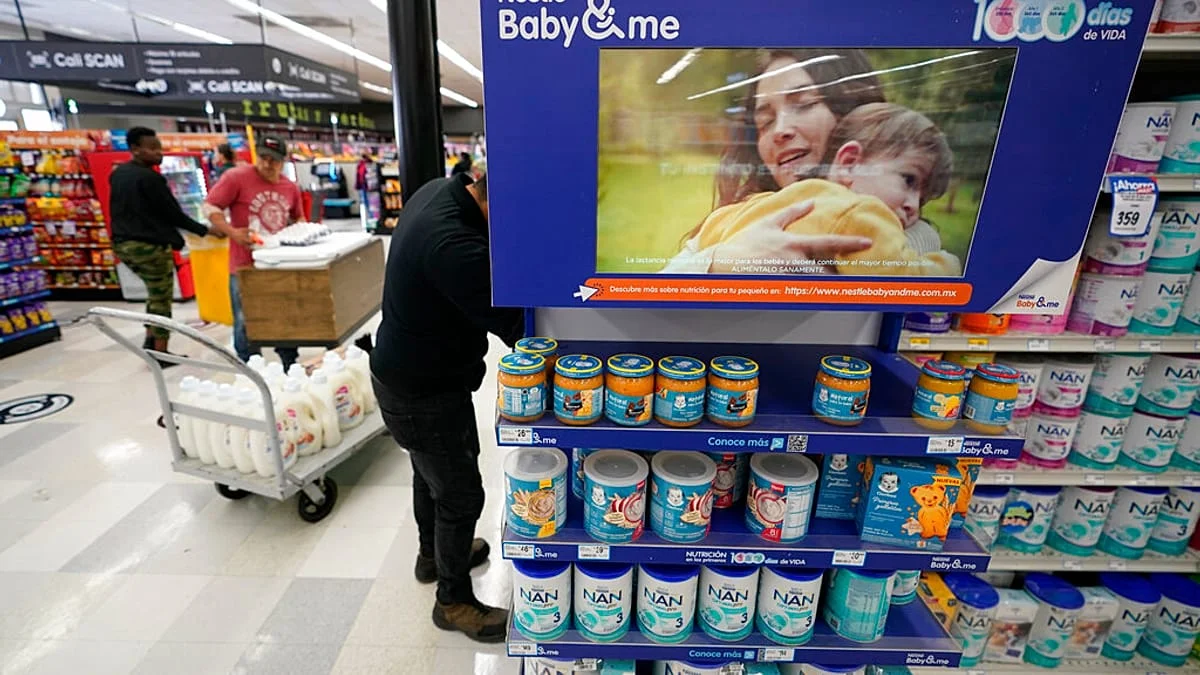
The contamination originates from a shared, third-party supplier of Arachidonic Acid (ARA) oil, a crucial ingredient in infant formula.
Nestlé was one of the first to identify the problem, tracing its initial widespread recall to a site in the Netherlands that used this suspect ARA oil. The "low-risk" status previously attributed to ARA oil is now under intense scrutiny, prompting industry-wide calls for tightened testing protocols.
"The contamination has been traced to a single Chinese supplier of ARA (arachidonic acid) oil, a critical ingredient in premium infant formulas." - Euronews
But if the ARA oil is the source, how did it pass through the stringent quality control measures that these global food giants supposedly have in place? Were the testing procedures for this particular ingredient insufficient? And why did it take multiple recalls and widespread public alarm before this connection was firmly established?
Accountability and Assurance: Who is Protecting Our Babies?
Manufacturers like Nestlé and Danone have issued statements, often emphasizing recalls are being made "out of an abundance of caution." Nestlé, in particular, claims there have been no "confirmed reports of illness linked to their products" in the most recent SMA recall, while simultaneously admitting they are testing products for the toxin.
Read More: New Files Show Sarah Ferguson and Prince Andrew Stayed Friends with Epstein

Manufacturers claim recalls are precautionary, citing no confirmed illnesses, yet simultaneously admit to ongoing testing for the dangerous toxin.
This stance raises immediate red flags. If the toxin is indeed present, even in small amounts, isn't any risk to an infant unacceptable? Are these companies prioritizing public relations over genuine infant safety?
The FSA, while actively managing the recalls, faces the monumental task of investigating these complex supply chains.
What specific steps are the FSA and the manufacturers taking to audit and verify the safety of all third-party ingredient suppliers?
Are there independent oversight bodies that can rigorously test and approve all ingredients before they enter the production line?
Beyond the current recalls, what long-term preventative measures are being implemented to ensure this kind of contamination doesn't reoccur?
Danone and Nestlé have assured the FSA that the recalled batches were produced some time ago and are "unlikely still to be on UK shop shelves." This implies a degree of confidence that older stock is no longer an issue. However, this does little to reassure parents who may still have affected formula at home or who are now faced with a dwindling supply of safe options.
Read More: Know the Early Signs of Colon Cancer
The Global Ripple Effect: A Crisis of Confidence
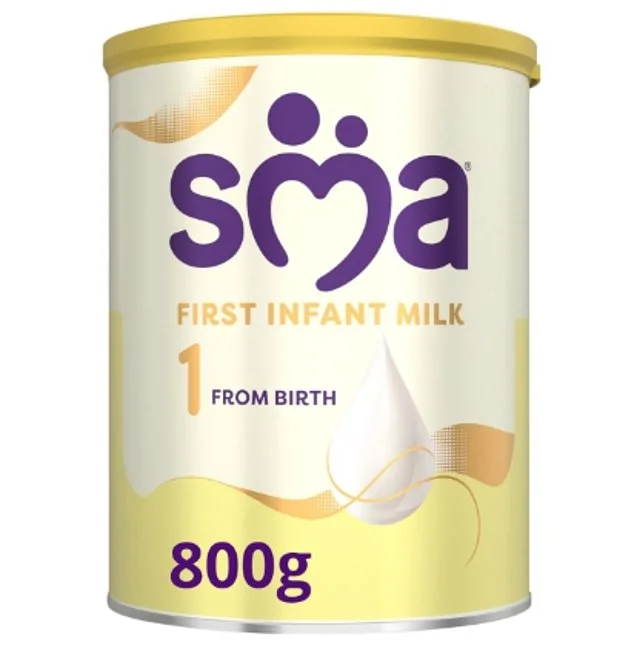
This isn't solely a UK problem. Lactalis, another global dairy behemoth, has also been involved in recalls across 18 countries for its Picot infant formula brand. The scope of these recalls, stretching across continents, underscores the global nature of food production and the interconnectedness of supply chains.
| Manufacturer | Brands Affected | Key Toxin | Geographic Scope (as reported) |
|---|---|---|---|
| Danone | Aptamil, Cow & Gate | Cereulide | UK |
| Nestlé | SMA | Cereulide | UK (specifically Northern Ireland for latest batch), Over 60 countries previously |
| Lactalis | Picot | Cereulide | 18 countries |
The implication is clear: a failure at one point in the supply chain, particularly with a crucial, globally sourced ingredient like ARA oil, can have devastating repercussions worldwide.
The global reach of these recalls highlights systemic vulnerabilities in international food supply chains and the urgent need for unified safety standards.
This repeated contamination erodes public trust not just in these specific brands, but in the regulatory frameworks that are supposed to safeguard our food. Are current international standards for infant formula ingredients robust enough? And are they being consistently enforced across all manufacturing and supplying nations?
What Now? Parents Deserve Transparency and Security
The recurring nature of these recalls is unacceptable. Parents need more than assurances; they need absolute certainty that the formula they are giving their babies is safe.
Read More: Champion Horse Constitution Hill Tries New Race Type
Transparency: Full disclosure is needed regarding the specific supplier(s) of the contaminated ARA oil, the timeline of their involvement, and the exact nature of the quality control failures at each stage.
Testing and Regulation: A thorough review and overhaul of testing protocols for all infant formula ingredients, particularly those sourced from third-party global suppliers, is paramount. Independent, unannounced audits of ingredient manufacturers are also essential.
Support for Parents: Beyond recalls, clear guidance and readily available, safe alternatives are crucial. Parents should not be left scrambling for safe nourishment for their infants.
The ongoing investigations are critical, but they must lead to tangible changes. The recurring presence of a dangerous toxin in baby formula is not just a regulatory failure; it's a betrayal of parental trust. The question isn't if this can happen again, but when, unless significant, systemic reforms are implemented. Parents are watching, and they demand answers, accountability, and most importantly, the unwavering safety of their children.
Read More: AI Finds Sperm, Skin Cells Made Into Eggs for Fertility Help
Sources:
Sky News: https://news.sky.com/story/new-batch-of-nestle-baby-formula-recalled-due-to-toxin-13503068
Euronews: https://www.euronews.com/health/2026/01/22/global-baby-formula-recall-nestle-danone-lactalis-pull-products-after-toxin-alert
DairyReporter: https://www.dairyreporter.com/Article/2026/01/21/danone-and-lactalis-act-as-cereulide-contamination-fears-grow
Daily Mail: https://www.dailymail.co.uk/news/article-15526525/Nestle-widens-baby-formula-recall-food-poisoning.html
The Independent: https://www.independent.co.uk/news/health/baby-formula-recall-danone-aptamil-cow-and-gate-toxin-b2915335.html



:max_bytes(150000):strip_icc()/VWH_EarlySignsofColonCancer-be7dc99d4bfb4a37b2e6bec8d9f4cfd7.png)